

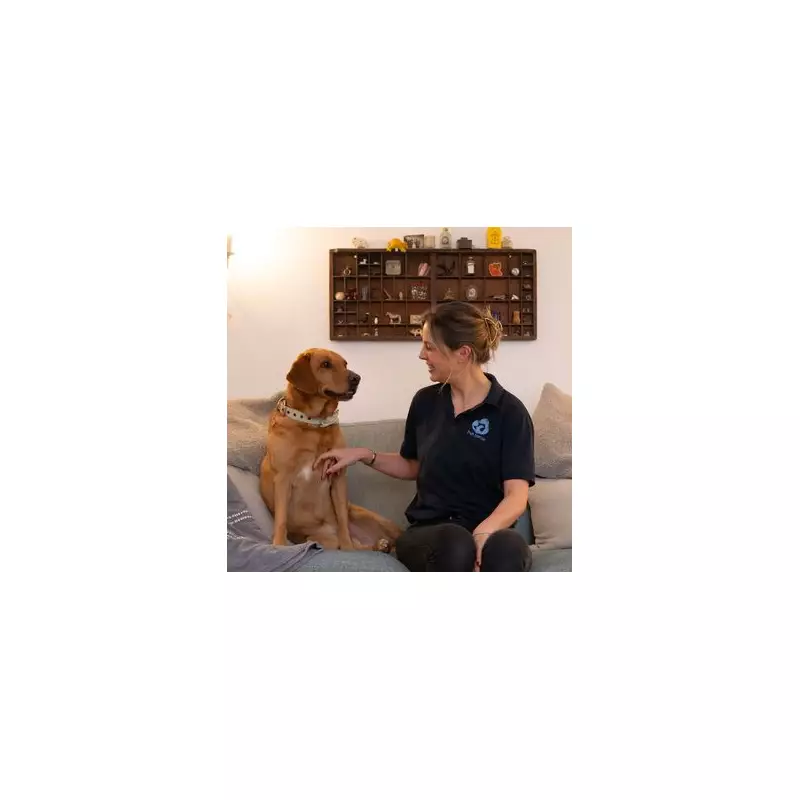
A leading dog expert has definitively debunked the age-old adage, proving that you absolutely can teach an old dog new tricks. Clinical animal behaviourist Rosie Bescoby, drawing on over two decades of professional experience, has shared five straightforward techniques to help elderly pets learn fresh skills.
Why Older Dogs Thrive on New Challenges
Rosie Bescoby insists that senior dogs never truly lose their capacity to learn, contrary to the implication of the well-known saying. She explains that introducing new challenges to an ageing pet can significantly enhance their mental wellbeing and rekindle the emotional bond with their owner, which can sometimes diminish over time.
"Where they might not be able to get as much physical exercise as they used to, we're keeping their lives stimulated and enriched by doing so," said Rosie, who partnered with lifetime pet insurance provider Petgevity for this advice. "People often assume older dogs are stuck in their ways... However, this doesn't mean they're incapable of learning new things."

She emphasises that teaching a brand-new skill is a different process from attempting to modify an unwanted behaviour, making it an accessible and positive activity for most older dogs.
The Key to Successful Training
According to the expert, the secret lies in understanding what motivates your individual dog and using that as a reward. For some, a portion of their regular dinner will suffice, while others may be driven by a favourite or novel toy. Rosie cautions that using an overly exciting treat, like steak, could cause some dogs to lose focus.
The first step is always to assess your pet to determine what reward will work best for them. While some breeds may be less physically suited to certain tricks, Rosie asserts there is no reason why dogs of any breed cannot learn something new.
Five Tricks to Try with Your Senior Dog
Rosie Bescoby recommends the following five tricks, which are suitable for older canine companions.
1. Nose to Hand Touch
This is an excellent visual recall cue, particularly for dogs with hearing loss. Place a treat between your fingers and hold out your hand. Lower your hand to your dog's level to encourage them to come. Repeat three to five times before removing the treat. Once mastered, you can practise from greater distances and in various environments.
2. Middle Position
This trick is good for dogs who struggle to sit. Using a lure, guide your dog to walk behind you and then back through your legs. Swap the lure to your other hand to lead them through. Eventually, they will follow your hand gesture without a visible treat.
3. Spin
An old classic. Lure your dog in a circular motion with a treat or toy, moving at their pace. Be mindful of any physical limitations. Gradually introduce the verbal cue "spin" and widen the circle if needed. Remove the lure once they understand, but keep your hand in the same guiding position.
4. Shake
Dogs naturally know how to shake, so this is about adding a verbal cue. Gently ruffle your dog's coat and say "shake" just as you predict they are about to do it. With repetition, they will associate the word with the action, which is a practical trick for dogs of all ages.
5. Go to Bed
Frame your dog's bed as a positive place. Each time, place a treat in their bed and use the verbal cue "bed". Once they understand, increase the distance they must travel to reach it, turning it into a reinforcing game.
Celebrating Our Older Canine Companions
A spokesperson from Petgevity, which provides lifetime policies for pets of any age, added: "Rosie has revealed that there is very much life in the old dog yet... We want to celebrate older dogs, regardless of their limitations."
They noted a potential element of ageism towards animals, even within the pet insurance industry, and affirmed their commitment to helping older pets live longer, healthier lives. These simple training techniques offer a powerful way to enrich your older dog's daily routine and strengthen your shared bond.






