

Dog owners across the United Kingdom are being issued a critical reminder to perform a simple but vital check before venturing out for walks this week. The warning comes as the Met Office has issued alerts for snow and ice, with temperatures plunging below freezing in many areas.
The Hidden Dangers of Winter Walks
Experts are highlighting significant but often overlooked risks that the bitter cold poses to canine companions. Ross Hallifax, a pet insurance specialist at Purely Pets, emphasised a common misconception: "Many owners assume that because dogs have fur, they’re naturally protected from the cold, but that’s not true." He pointed out that dogs, much like humans, are susceptible to hypothermia and can even suffer chemical burns from winter road salt and grit.
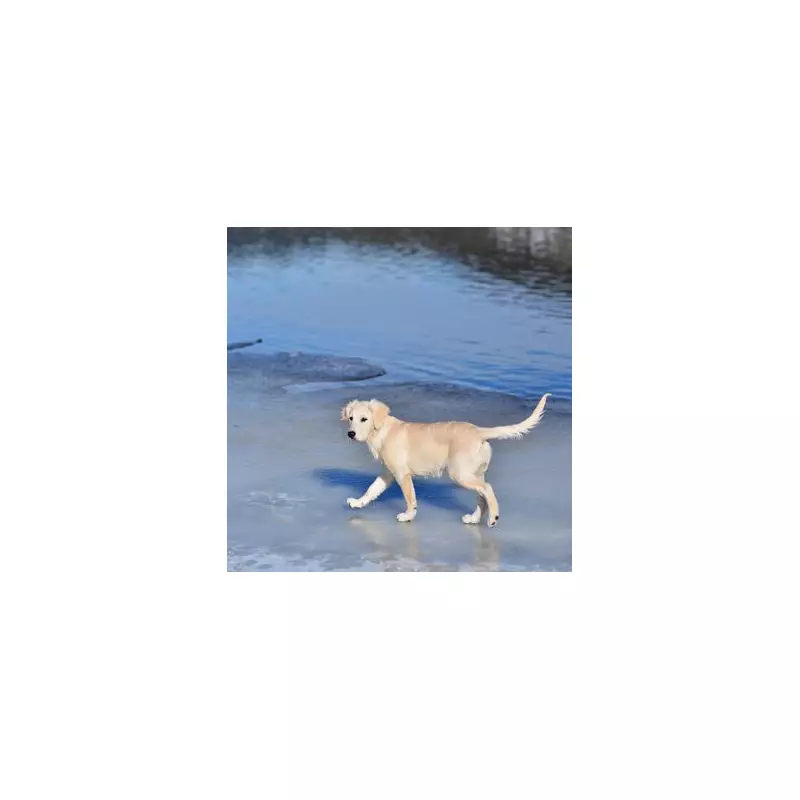
Prolonged exposure to freezing conditions, particularly when combined with wet or windy weather, is a primary cause of hypothermia in dogs. Moisture and wind strip away body heat rapidly, reducing the insulating effectiveness of a dog's coat. Contact with icy water can also trigger a dangerous drop in core temperature.

How Cold Is Too Cold for Your Dog?
According to experts from Bella+Duke, there is no universal answer, as a dog's tolerance depends on several factors. They provide general guidance, suggesting that between 10°C and 7°C, some breeds may require a coat for their walk. When the mercury dips to around 5°C or lower, the risk of frostbite and hypothermia becomes real for many dogs.
Ross Hallifax advises owners to be vigilant for key warning signs of distress in their pets, including:
- Shivering
- Paleness
- Low energy levels
- Poor coordination
Urgent veterinary advice should be sought if a dog shows any of these symptoms.
Which Dogs Need Extra Protection?
While some breeds have thick, protective fur, others lose body heat quickly and require special attention during cold snaps. Smaller breeds such as Chihuahuas, Miniature Dachshunds, and Jack Russell Terriers have less body fat and are more vulnerable. Similarly, short-haired and elderly dogs need extra care.
"For breeds less suited to cold weather, such as whippets, greyhounds, and Yorkshire terriers, consider a weatherproof, fleece-lined coat to keep them warm," Ross concludes. He also recommends avoiding the coldest times of day for walks, opting instead for midday when temperatures are often slightly higher, and limiting time outdoors to prevent discomfort and health risks.
Keeping dogs exercised remains important in winter, but owners must now balance this with a heightened awareness of the severe and specific dangers posed by the current UK freeze.






