British Steel on Course for Full Nationalisation in Coming Weeks
The UK government is set to fully nationalise British Steel within the next few weeks, according to sources familiar with the matter. This move comes exactly one year after ministers stepped in to assume daily control of the loss-making steelmaker from its Chinese owner, Jingye Group, amid serious concerns that the Scunthorpe plant faced imminent shutdown.
Government Intervention and National Security Concerns
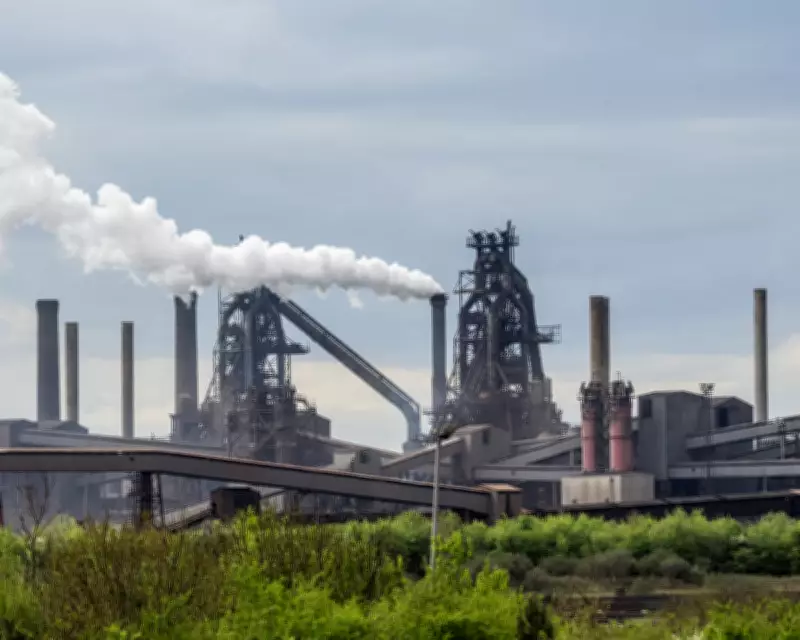
Last April, the government took over the daily operations of British Steel, which employs 3,500 workers at its Scunthorpe facility, after fears emerged that Jingye was planning to close the site. Although the company continues to operate the UK's last two remaining blast furnaces, economic control has remained with the Chinese firm, which acquired British Steel out of insolvency in early 2020.
In a significant development last week, ministers designated the steel industry as vital to national security. This classification could pave the way for nationalisation on security grounds, as confirmed by a source with direct knowledge of the negotiations. The government reportedly offered £100 million to Jingye for British Steel earlier this month, but this proposal was rejected, with the Chinese company initially demanding over £1 billion.

Financial Pressures and Strategic Importance
The cost of sustaining British Steel has escalated dramatically, with the National Audit Office revealing that expenses had ballooned to £377 million by the end of January this year. Projections indicate that if current trends persist, costs could exceed £1.5 billion by 2028. Despite these financial challenges, shutting down the Scunthorpe plant would eliminate Britain's primary steel-making capability, as blast furnaces enable production from raw materials rather than relying on scrap metal.
Officials are urgently seeking to resolve the ownership issue, partly because selling the company to another private investor would be impossible without first stabilising its operations. The potential for full nationalisation was initially reported by the Financial Times, highlighting the urgency of the situation.
Industry Support and Future Prospects
Gareth Stace, director general of the trade body UK Steel, expressed strong support for nationalisation, stating it would provide vital certainty for the workforce, customers, and supply chain. He emphasised that maintaining domestic production is crucial not only for economic growth but also for national security and resilience, calling for a clear long-term plan for the company.
British Steel has attracted interest from potential buyers, including Miami-based retail investor Michael Flacks, who declared significant interest in purchasing the firm in February. Officials have noted early-stage interest from other parties as well. Any new owner would need to invest hundreds of millions of pounds to replace the polluting blast furnaces with modern electric arc furnaces, a move essential for sustainability and profitability.
Broader Industry Context and Government Measures
The steel sector has contracted significantly since its 1970s peak, yet British Steel remains a key employer in Scunthorpe, supporting tens of thousands of jobs across the extended supply chain. For instance, Network Rail sources approximately 95% of its track from the plant. In efforts to boost profitability, officials have aimed to increase output, especially after Jingye revealed the Scunthorpe plant was losing £700,000 daily when closure plans were announced for March 2025.
Earlier in March, the government announced measures to protect the industry, including doubling tariffs on imported steel and reducing allowable imports to combat cheap Chinese products that have depressed prices. A government spokesperson reiterated that safeguarding UK steelmaking is a priority, with ongoing engagement to find a solution that protects workers, production, and the national interest, though they declined to comment further while discussions are active.