

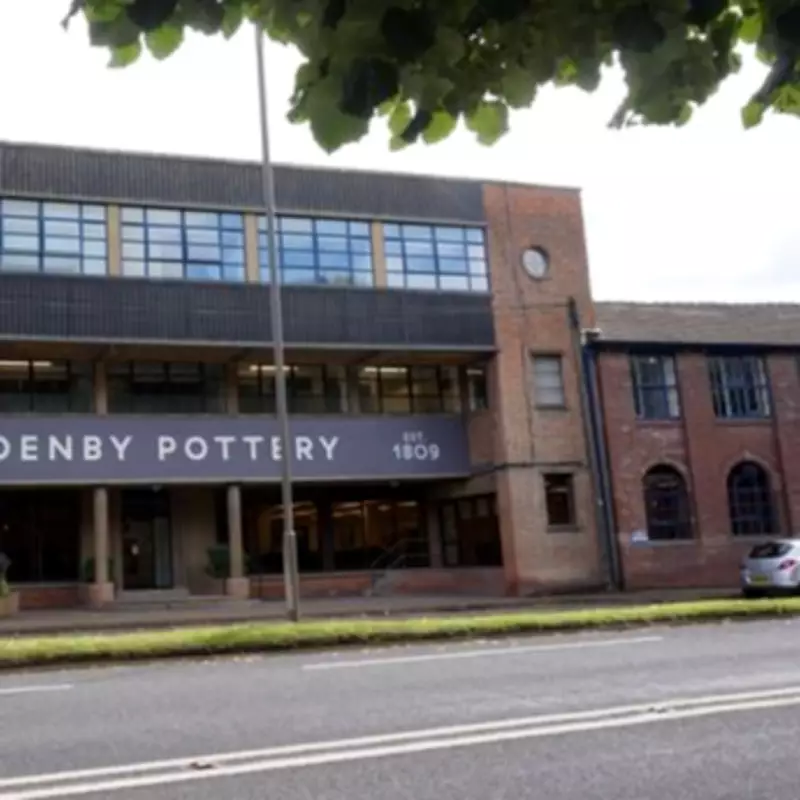
Historic Denby Pottery Faces Administration After 217 Years of Operation
The future of the renowned Denby pottery firm, which has been operating for 217 years, remains uncertain as the company fights for survival and prepares to appoint administrators. Based in Ripley, Derbyshire, Denby trades heavily on its "made in England" heritage, producing a wide range of products from dinner services and bakeware to pots and pans for customers including John Lewis, Lakeland, and Dunelm.
Urgent Plea from Union Boss as Industry Reaches Crossroads
Gary Smith, general secretary of the GMB union, has issued an urgent plea for Britain's historic pottery industry, warning that it is "at a crossroads" and accusing the government of "sitting on its hands." This comes amid the uncertainty surrounding Denby, which filed a notice of intent to appoint administrators earlier this week, citing rising energy and employment costs as key factors.
The company has insisted this is a "precautionary measure" while it seeks fresh investment, and it recently filed an extension to the process to give bosses more breathing space to explore all options. In its last accounts for 2024, Denby reported another "challenging year with a lack of consumer confidence in all major markets leading to reduced demand," with annual losses growing from £3.4 million to £4.6 million.

Financial Struggles and Energy Cost Crisis
As of the end of 2024, Denby employed a total of 536 staff, whose jobs are now at risk. The company's financial woes are exacerbated by soaring energy costs; Denby operates three large gas-fired kilns that run 24/7, with annual energy costs increasing from about £1.25 million before 2022 to between £2.5 million and £3 million currently.
Denby boss Sebastian Lazell told the BBC earlier this month that he is "trying to move heaven and earth" to save the business but acknowledged he must be realistic that there may not "be a happy ending." He has called on the government to extend an existing energy cost support scheme to the ceramics industry as soon as possible.
Broader Industry Concerns and Political Implications
In a piece written for the Mirror, Gary Smith highlighted that Britain's potteries contribute an estimated £2 billion to the economy and sustain 22,000 jobs nationwide. He pointed out that every major ceramic industry globally traces some lineage back to Stoke-on-Trent, the birthplace of modern industrial ceramics, yet the sector is struggling to stay afloat.
Smith questioned why five major companies, including British icons like Wedgwood and now Denby, have announced job losses, plant closures, or worse in the past year. He attributed this to the high cost of production driven by Britain's "obsession with waging war on gas," and urged Labour to follow the example of help provided for the steel industry.
He warned that the government risks being remembered for inaction as an industry relied upon by tens of thousands of working-class people collapses, potentially leading to more division, alienation, and problems for Labour. The Iran war has also added to the misery for energy-intensive firms like Denby, with a jump in oil and wholesale gas costs piling on pressure.
During the 2024 general election campaign, then Tory PM Rishi Sunak visited Denby's pottery factory, underscoring the firm's significance. As Denby navigates this critical period, its fate will serve as a bellwether for the broader ceramics industry and the challenges facing traditional manufacturing in the UK.






