

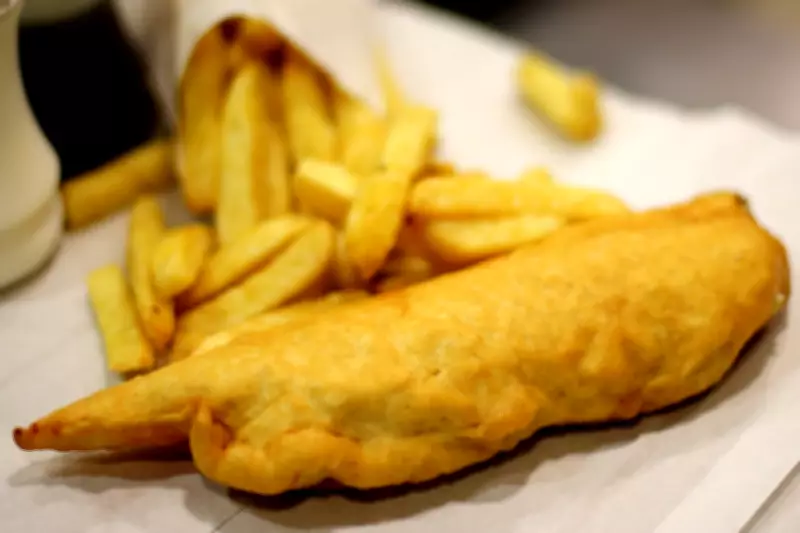
The iconic British fish and chip shop is facing an existential crisis, with a leading industry figure warning that widespread closures are imminent unless customers adapt their eating habits. Andrew Arnold, proprietor of the award-winning Railway Street Fisheries in Pocklington, near York, has issued a stark alert: the soaring cost of traditional favourites like cod is pushing chippies to the brink.
Staggering Price Increases Threaten Tradition
Mr Arnold revealed that the price of a 45lb box of cod has skyrocketed from £110 in December 2024 to £330 today—a dramatic 200 per cent increase. This inflation has directly impacted menu prices; his shop now charges £12.50 for haddock and chips, up from £8.50 just over a year ago. "The traditional fish and chip shop is going to go, if we don't diversify and do different things," he told the BBC, emphasising the urgent need for change.
Embracing Alternatives to Stay Afloat
To combat these financial pressures, Arnold advocates for a shift in consumer mindset towards more affordable fish varieties. He highlights Norwegian pollock as a prime example, which he sells for £10.50—allowing for a reasonable profit while keeping prices palatable. "I can sell pollock at £10.50 and still make a reasonable profit on it," he stated, insisting that it tastes just as good as cod.

This trend is not isolated. According to Andrew Crook, president of the National Federation of Fish Friers, a growing number of chippies are turning to alternative species like pollock, South African hake, and New Zealand hoki to keep pace with inflation. Official figures from the Office for National Statistics underscore the issue, showing the average price of a takeaway fish and chips has risen to £11.02 in 2026, a 10 per cent increase from £10.06 the previous year.
Supply Challenges and Consumer Resistance
However, not everyone believes alternative fish will save the industry. Nathan Godley, a fish merchant from Grimsby who supplies numerous chip shops, argues that British consumers' deep-seated preference for cod and haddock poses a significant hurdle. "In the long term, you've just got to pay the price, I think," he told the BBC, citing a critical shortage of fish being caught and delivered to shops as the root cause of the price surge.
This supply issue is compounded by conservation concerns. In September 2025, scientists from the International Council for the Exploration of the Sea (ICES) advised that cod catches in British waters must be drastically reduced to allow depleted populations to recover. The Denmark-based independent body found that cod stocks in nearly all UK waters are so low that no fishing should occur next year to ensure the species' survival.
A Crossroads for the Chippy
The industry now stands at a pivotal juncture. With cod supplies in "grave danger" and prices escalating, fish and chip shops must innovate to survive. Mr Arnold's plea for diversification reflects a broader struggle to balance tradition with economic reality. As inflation bites and environmental pressures mount, the future of this beloved British institution may hinge on whether customers are willing to swap their cod for cheaper, sustainable alternatives like pollock.






