

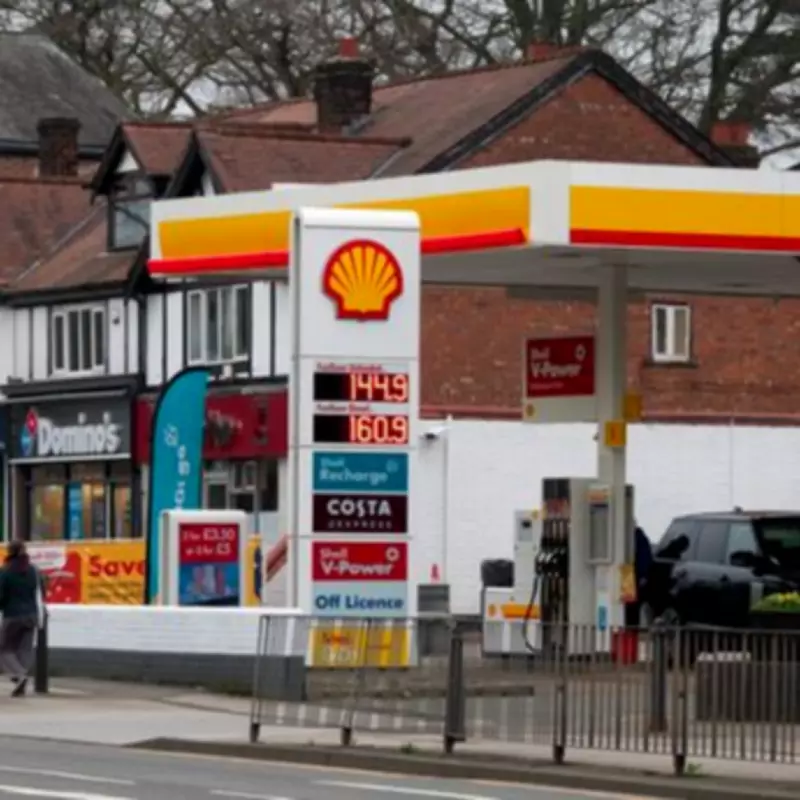
Fuel Forecourts Face Urgent Data Demand Amid Iran War Price Hike 'Profiteering' Claims
Fuel forecourts across the United Kingdom have been issued with an urgent directive to fast-track the submission of critical pricing data, following mounting allegations of "profiteering" in the wake of escalating tensions in the Middle East. The Competition and Markets Authority (CMA) has announced it is compelling thousands of garages to provide up-to-date information on fuel margins, which detail the profits they generate from selling petrol and diesel.
Watchdog Scrutiny Intensifies as Prices Soar
Juliette Enser, the executive director for markets at the CMA, emphasised the necessity of this action, stating: "Whilst price increases might be inevitable because of rising wholesale costs, it is important that those increases reflect genuine cost pressures. We will be closely scrutinising and reporting on what’s happening with fuel prices and call out any concerning behaviour." This move comes as public frustration grows over soaring fuel costs, with the RAC reporting that the nationwide average for unleaded petrol has reached 140.15p per litre, marking an increase of more than 7p since the onset of the conflict. Diesel prices have surged even more dramatically, rising nearly 16p a litre to 158.23p.
Impact on Drivers and Calls for Fair Pricing
Simon Williams, head of policy at the RAC, highlighted the severe impact on motorists, noting: "Drivers tell us the cost of motoring is a major concern, and fuel is a huge contributor to that, so making sure they’re paying a fair price at the pumps is essential. For that reason, we welcome the competition watchdog’s scrutiny of what’s happening on forecourts across the country." According to RAC Fuel Watch data, these price hikes have added approximately £4 to the cost of filling a family car with petrol and £8 for diesel, exacerbating the financial strain on households already grappling with the cost of living crisis.

Government and Industry Response to Allegations
Howard Cox, founder of the campaign group FairFuelUK, recently warned against the risk of "opportunistic profiteering", echoing concerns that have prompted government intervention. Energy Secretary Ed Miliband convened a meeting with energy suppliers and business leaders to discuss the ongoing situation in the Middle East, reaffirming the government's commitment: "Tackling the cost of living crisis is our number one priority. That’s why we took action at the Budget, and the price cap is coming down in April as a result. I know many people will still be concerned by the impact of events in the Middle East. Today I met with executives from across the energy market to discuss these issues. The government will keep working with the sector closely in the coming weeks and months."
Cost of Living Tsar Proposes Emergency Measures
In a significant development, Lord Richard Walker, the government's newly appointed cost of living tsar and boss of the frozen food chain Iceland, has urged the implementation of weekly Cobra-style emergency meetings to safeguard households from being exploited during the conflict. In his maiden speech in the House of Lords, Lord Walker proposed the establishment of a weekly "committee of regulators" during periods of economic turmoil, stating: "Part of my role is to come up with ideas that might not be straightforward or easy but are really important and provoke discussion. It is almost a challenge back to Number 10 and the relevant departments." He revealed that he has discussed this idea with Number 10, and it is currently under consideration.

International Comparisons and Further Actions
Lord Walker also drew attention to measures being taken in France, where authorities are conducting mandatory inspections at petrol station forecourts to prevent "price gouging". He questioned the rapid escalation of pump prices in the UK, pointing out: "Their (forecourts) stocks were bought weeks ago, so how’s that work? If that’s not profiteering, I don’t know what it is. What we might need is an emergency package to make sure that everyone is behaving fairly." This call for transparency and fairness underscores the broader efforts to ensure that fuel price increases are justified and not driven by opportunistic practices, as the situation in the Middle East continues to influence global markets and domestic economies.





