

Napa Valley's Wine Industry Confronts a 'Shocking' Downturn
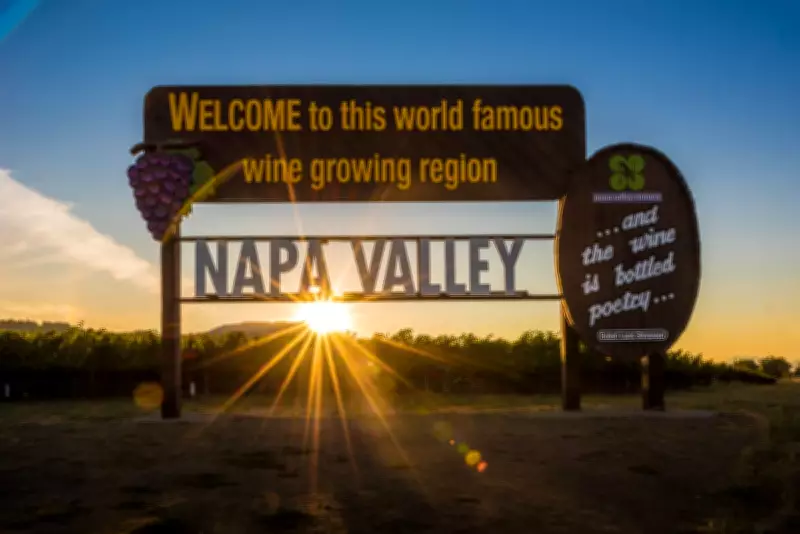
A sign welcomes visitors to California's Napa Valley, a region renowned for its more than 400 wineries. However, the wine industry has encountered drastic challenges in recent years, forcing a significant adaptation. From shifting consumer tastes to shrinking sales, Napa Valley's wineries are navigating a turbulent period marked by innovation and resilience among small producers.
The Vindication of a Doomsayer
Rob McMillan, author of Silicon Valley Bank's annual state of the US wine industry report, has long warned of an impending correction in demand. The 2025 edition confirmed his predictions, revealing declining revenue, reduced production volumes, and a forecasted "bumpy bottom" in demand for 2027 and 2028. McMillan noted that while his dire warnings were once dismissed, the industry now grasps the severity of the situation. He emphasized that wineries must adapt rather than cling to past growth patterns, with 2026 expected to see some businesses exit the market entirely.
A 'Sunsetting' Customer Base and Industry Response
McMillan highlighted that baby boomers, who drove the premium wine boom in the 1990s due to limited beer and spirits options and economic prosperity, are now "sunsetting"—industry jargon for aging out of consumption. This shift has created a growing divide between wineries that innovate and those stuck in outdated models. Major companies like Gallo and Constellation Brands have already implemented layoffs and facility closures in response. For instance, Gallo cut 93 jobs and shut a St. Helena facility, while Constellation Brands laid off over 200 workers at its Mission Bell winery.

Small Wineries Adapt to a 'Perfect Storm'
Jill Matthiasson of Matthiasson Wines described the downturn as a "perfect storm," citing factors like generational drinking habit changes, health concerns, and reduced alcohol consumption overall. A 2025 Gallup poll found only 54% of American adults drink alcohol, the lowest in 90 years. Despite this, Matthiasson stressed wine's enduring cultural role in fostering community and connection. Her winery has adapted by focusing on organic farming, employee welfare, and appealing to younger consumers who value sustainability and ethics.
Innovation Amid Shifting Consumer Trends
Laura Gabriel, founder of Paper Planes wines and The River Club, echoed McMillan's warnings, noting that younger drinkers prefer spirits or premixed drinks over wine. Data shows less than a quarter of drinkers aged 21-29 choose wine as their favorite alcoholic beverage. Gabriel emphasized that small wineries must leverage social media, online research, and experiential marketing to tell their stories and attract customers in an era of endless beverage choices. She remains optimistic, viewing the challenge as a catalyst for innovation in Napa and Sonoma.
Tourism Challenges and Community Resilience
Linsey Gallagher, president and CEO of Visit Napa Valley, reported shifts in tourism, with international visitors spending less and Canadian export bans impacting sales—Canada was historically the largest export market for California wines. However, Gallagher highlighted positive trends, such as a 3% increase in hotel occupancy in 2025 and a younger, more diverse tourist demographic. She praised Napa's community spirit in overcoming past adversities like wildfires and the pandemic, underscoring the region's enduring appeal and world-class wine.
Optimism and Hustle in the Face of Change
Ben Brenner, co-owner of Benevolent Neglect wines, dismissed excessive doom and gloom, arguing that change is inherent to the industry. He criticized overpriced, manipulated wines and emphasized that owner-operated wineries are hustling through dinners, road shows, and direct engagement with consumers. Brenner noted that while younger drinkers may initially show less interest, many millennials in their 30s are increasingly purchasing wine. He expressed confidence in Napa's future, driven by passionate producers adapting to new realities.
McMillan concluded by urging wineries to face the challenges clearly to avoid catastrophic losses, reinforcing that adaptation is key to survival in this evolving landscape.






