

Oil Prices Crash and Asian Markets Soar Following US-Iran Ceasefire Deal
Oil prices plummeted and Asian markets surged dramatically after the United States and Iran agreed to a two-week ceasefire, a move that has sent shockwaves through global financial sectors. The agreement, announced on Wednesday, includes key provisions such as the reopening of the Strait of Hormuz, a crucial shipping lane for international oil transport.
Market Reactions and Key Details
In response to the ceasefire, Asian stock markets experienced significant gains. South Korea's Kospi index rose by approximately 5.8 per cent, while Japan's Nikkei 225 climbed roughly 5 per cent. This surge reflects investor relief at the temporary de-escalation of tensions in the region.
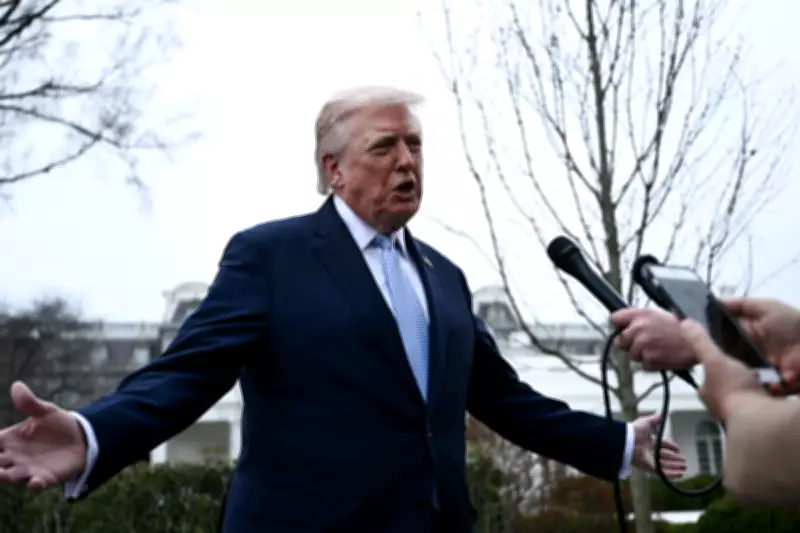
The ceasefire is contingent upon Iran reopening the Strait of Hormuz, which has been a focal point of recent geopolitical strife. US President Donald Trump announced he would delay threatened attacks on Iran, provided the strait is fully and safely reopened to maritime traffic.

Iran's Stance and Analyst Perspectives
Iran's foreign minister, Seyed Abbas Araghchi, confirmed on behalf of the Supreme National Security Council that the country's armed forces would "cease their defensive operations." However, he issued a stern warning, stating that Iran's "hands remain upon the trigger," indicating a readiness to resume hostilities if conditions are not met.
Analysts describe the market reaction as one of cautious optimism. They note that while the immediate ceasefire has spurred positive movements, further progress in negotiations and actual easing of traffic through the Strait of Hormuz are awaited to sustain these gains. The situation remains fluid, with global markets closely monitoring developments.
This agreement marks a pivotal moment in US-Iran relations, potentially influencing oil supply chains and economic stability across Asia and beyond. Stakeholders are advised to stay informed as negotiations continue over the coming weeks.






