

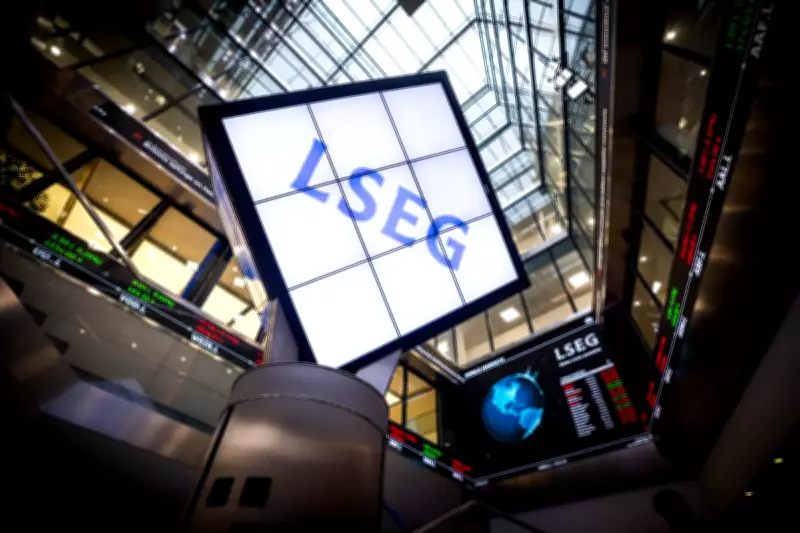
Global stock markets have faced severe pressure as oil prices skyrocketed in their most substantial weekly increase in six years, with no immediate resolution to the ongoing conflict in the Middle East in sight. This turmoil has rattled financial centers worldwide, leading to broad-based declines across major indices.
Market Declines Across Key Regions
In London, the FTSE 100 Index experienced a sharp downturn, initially plunging 1.6% before settling approximately 1% lower. By Friday afternoon, it had dropped 108.2 points to 10305.9, a notable reversal from its positive opening earlier in the day. The declines were exacerbated by significant losses on Wall Street, where the Dow Jones Industrial Average fell 1.5%, partly due to disappointing US jobs data adding to market anxieties.
European markets mirrored this downward trend, with Germany's Dax and France's Cac 40 both declining 1.5% at various points during trading. These movements highlight the widespread impact of geopolitical tensions on investor sentiment and economic stability.

Oil Price Surge and Production Halts
Benchmark Brent crude prices surged dramatically, rising by as much as 7% to over 91 US dollars per barrel at one stage. This increase follows reports that Kuwait has joined Qatar in halting energy production, pushing oil to levels not seen in nearly two years. Since the conflict between the US-Israel alliance and Iran began last Saturday, oil prices have climbed around 25% this week alone, marking the most significant weekly gains since early 2020 during the peak of the Covid-19 pandemic.
Geopolitical Factors and Market Reactions
Comments from US President Donald Trump, who stated that the conflict would not end until an "unconditional surrender" of the Iranian regime, have further dampened hopes for a swift de-escalation. This stance has contributed to market uncertainty and fueled the oil price rally.
Kathleen Brooks, research director at XTB, provided insight into the situation, noting, "There is not much to stop oil from hitting 100 dollars per barrel in the near term. Until the oil price stabilises, it's hard to see how stock markets and bond prices can recover." She also warned of potential further stock market declines next week, adding, "If the war continues to escalate over the weekend, we think that markets will continue to sell off, especially after the rapid increase in oil prices today."
Impact on UK Government Borrowing Costs
The surge in oil prices has also affected UK Government borrowing costs, which have risen sharply this week due to inflation concerns. Yields on 10-year government bonds, commonly known as gilts, have increased from 4.27% at the start of the week to 4.62% on Friday. Fears that soaring fuel and energy bills could hinder further interest rate cuts have driven this uptick.
Ms. Brooks commented on this vulnerability, stating, "The rapid repricing of monetary policy expectations and the UK's history of high energy prices means that UK gilts are particularly vulnerable to this energy price spike." This highlights the broader economic implications of the current market dynamics, extending beyond stock indices to government debt and monetary policy.
Overall, the combination of escalating Middle East tensions, surging oil prices, and weak economic data has created a perfect storm for global financial markets, with investors bracing for continued volatility in the coming days.






