

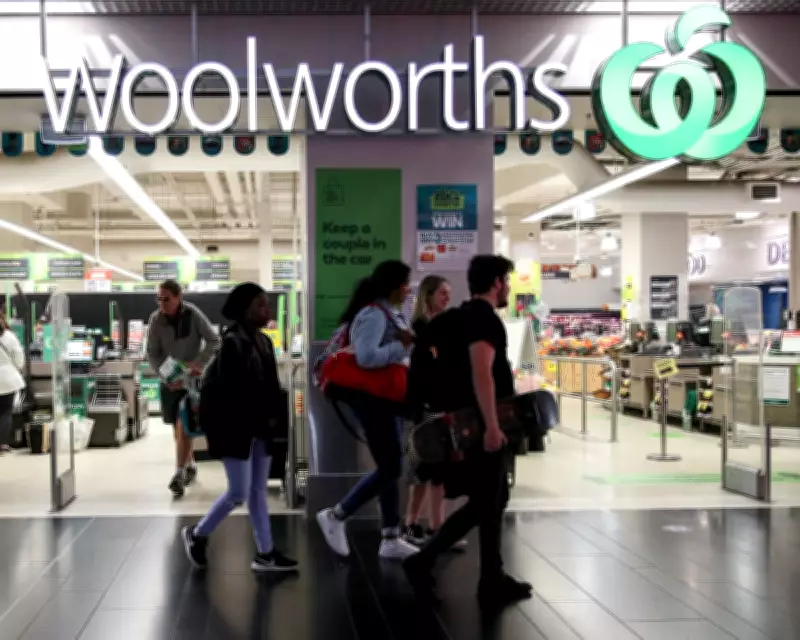
Woolworths' Price Decline Claim: A Statistical Illusion Exposed
It turns out that when Woolworths announces average prices have declined, it does not actually mean that an identical basket of groceries costs less than it used to. This revelation comes as the supermarket giant trumpeted eight consecutive quarters of year-on-year price declines in its recent half-year financial results, a claim that has raised eyebrows among consumers and experts alike.
The Reality Behind the Numbers
For most shoppers, the intuitive sense is that grocery prices have been rising, not falling. Data tracked by Savings.com.au supports this, showing a trolley load of Woolworths groceries that cost $292 two years ago now costs $315. Putting promotions aside, it is difficult to find many products at Woolworths that are cheaper now than they were eight quarters ago.
- The price of Weet-Bix (375g) is up 14%.
- Coca-Cola (1.25l) has increased by 13%.
- Vegemite (150g) is up 5%.
- Beef mince (500g) has surged by 30%.
- Free range eggs (large) are up 19%.
Bags of washed potatoes, cheese slices, white sugar, and long grain rice were among the few products that Guardian Australia could identify as having stayed the same or recorded price falls during that period. This stark contrast highlights the discrepancy between Woolworths' claims and the everyday shopping experience.

The Methodology Behind the Myth
Woolworths uses the Fisher method, a formula that tracks the average price of items actually sold, not the changes in shelf price. As Graham Cooke, head of consumer research at Finder, explains, "It is the corporate equivalent of a hotel chain claiming 'average stay costs' are dropping because guests have stopped booking suites and are now squeezing into budget rooms."
This methodology means that when customers switch to cheaper alternatives due to financial strain, the average price paid drops, even if individual product prices are rising. In other words, the Woolworths method accounts for consumer choice. If steak increases by $5 and everyone switches to mince, the average price paid drops, Cooke says. This reframes a decline in living standards as a saving, masking the fact that grocery prices are actually increasing.
Broader Economic Context and Scrutiny
The food and non-alcoholic drink category of the consumer price index was one of the largest contributors to annual inflation in 2025, up 3.4%, according to the Australian Bureau of Statistics (ABS). Interestingly, the ABS uses Woolworths scan data, along with data from Coles and other retailers, to calculate grocery price changes, creating an apparent inconsistency with the supermarket's claim of falling prices.
Woolworths' decision to use this statistical model for public price claims is likely to frustrate shoppers who have downgraded their family's dinner menu to stay within a tight budget. The "eight consecutive quarters" claim is also being used at a time of increased scrutiny on major supermarkets. Coles has just been in court defending allegations from the consumer regulator over "illusory" price discounts, and Woolworths is facing near-identical allegations, with a court date set for later this year.
Meanwhile, both major supermarket chains have been increasing their profit margins during an inflation spike, an issue that could attract more political attention. As Cooke notes, "To announce eight quarters of price declines doesn't pass the pub test. If prices were truly deflating for the benefit of the customer, profit margins typically wouldn't be climbing."
Conclusion: The True Cost for Consumers
To truly pay less than two years ago, Woolworths shoppers would need to stick to the actual items that are now cheaper, meaning a family dinner consisting of washed potatoes, cheese slices, white sugar, and long grain rice may need to suffice. This situation underscores the gap between corporate messaging and consumer reality, highlighting the need for transparency in how price changes are reported and understood.






