What is Daylighting and Why It Matters for Your Home
When the clocks spring forward each March for Daylight Saving Time, many welcome the longer, brighter days as a sign of spring's arrival. This seasonal shift highlights more than just a mood lift—it underscores the crucial role of daylight as a fundamental design element in our homes, on par with furniture or paint choices.
"Natural light isn't merely an aesthetic bonus; it transforms the entire atmosphere of a space," explains Mara Rypacek Miller, founder of lighting company Industville. "The clock change presents an ideal opportunity to evaluate whether your home is fully capitalising on every available ray of daylight."
Understanding Daylighting: A Practical Guide
Daylighting refers to the strategic use of natural light to illuminate interiors efficiently, minimising reliance on artificial lighting during daytime hours. From a design perspective, it involves thoughtful consideration of how sunlight enters and travels through a room, employing features like window placement, rooflights, glazed doors, mirrors, and reflective surfaces to disperse light more widely. When executed effectively, daylighting can enhance rooms by making them appear brighter, more spacious, and comfortable, while simultaneously reducing electricity consumption.

The Importance of Natural Light in Home Design
Incorporating natural light into residential spaces can significantly improve wellbeing by supporting our circadian rhythm—the internal body clock that regulates sleep patterns. It also contributes to creating living areas that feel warmer, more inviting, and visually expansive. A key approach to daylighting is aligning room layouts with the sun's trajectory. In the UK, south-facing rooms receive the most consistent light year-round, making them ideal for frequently used living spaces. East-facing areas, bathed in energising morning light, suit kitchens or breakfast nooks perfectly. West-facing rooms benefit from the softer, warmer glow of afternoon and evening sun, while north-facing spaces offer a steady, diffused illumination that works well for home offices, reducing potential glare.
Architectural Solutions for Enhancing Natural Light
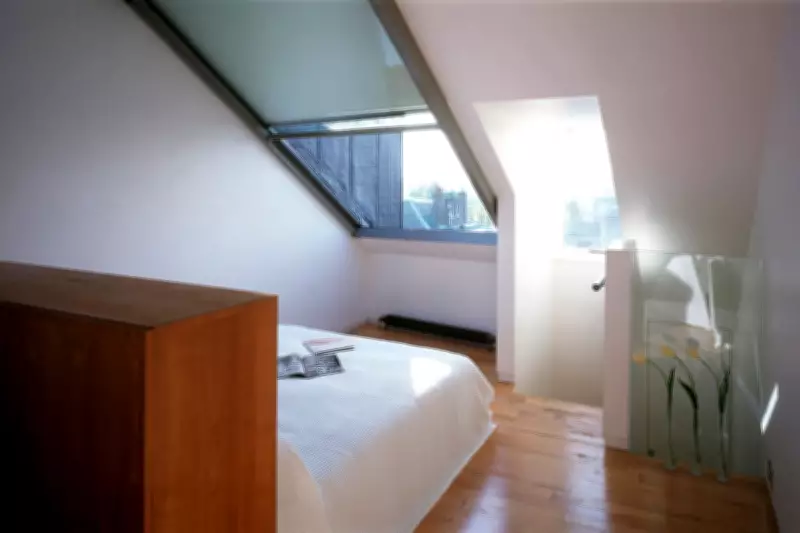
For those unable to dictate room orientation, architects offer several structural innovations to channel daylight deeper into buildings. Roof windows and skylights are highly effective, especially in attics, extensions, or loft conversions. Additional options include:
- Clerestory windows: Long, narrow windows positioned high on walls to admit light while maintaining privacy.
- Light wells: Vertical shafts that direct sunlight from rooflights to brighten dark hallways and staircases.
- Sun pipes (or sun tunnels): Reflective shafts that funnel roof light into windowless interior rooms.
Simple Interior Adjustments to Boost Daylight
Smaller design choices can also yield noticeable improvements. "It's about leveraging every available technique," says Rachal Hutcheson, interiors expert at Sharps. She advocates for light-reflective surfaces such as pale walls, polished floors, or glossy and metallic finishes to bounce light around, enhancing brightness and openness. "When revitalising a dim space, every detail contributes."
Reflection plays a pivotal role. Since sunlight moves across rooms, its impact can be amplified by positioning pale, reflective items like mirrors, glossy furniture, or light-coloured rugs in its path. Darren Morley, managing director of The Mirror Man, notes that strategically placed mirrors can illuminate even the darkest corners. "Optimal placement is opposite or adjacent to windows, where they can reflect incoming light deeper indoors. Ensure they reflect appealing views, avoiding cluttered areas."

Replacing solid internal doors with glazed alternatives is another effective method to distribute light between rooms. Hutcheson adds, "They can be transformative. Plus, you can personalise them with patterns, textures, or colours to create a standout feature." Furniture selection matters too; low-line pieces allow light to flow more freely. Hutcheson recommends sofas and chairs with low backs or bed bases closer to the floor to open up spaces and enhance brightness.
Maximising Natural Light Throughout the Year
To optimise natural light year-round, Miller suggests "thinking in layers that support your circadian rhythm." This involves creating brighter environments in the morning using a blend of natural and artificial light, then shifting to softer, warmer lighting in the evening to signal the body to unwind.
Chris Bawden, founder of Simple Lighting, advises using dimmable lights to adapt to seasonal light variations. "They maintain visual balance without abrupt shifts between day and night," he explains, noting that gradually increasing artificial light as daylight fades preserves a natural indoor ambiance. During brighter months, he recommends low-level task lighting over ceiling fixtures to keep daylight as the primary source while ensuring clarity where needed.
The clock change can also reduce artificial lighting dependency, with households typically using lights later in evenings and earlier in mornings, leading to a slight decrease in energy usage.
Affordable Strategies to Increase Natural Light
Enhancing brightness doesn't require major renovations. Cost-effective methods include:
- Painting walls, ceilings, and woodwork in light colours to better reflect daylight.
- Placing mirrors opposite or beside windows to bounce light deeper into rooms.
- Swapping heavy, dark curtains for lighter fabrics and keeping window glass clean.
- Choosing low-profile or light-coloured furniture and decluttering windowsills.
- Incorporating glossy or metallic accessories to maximise light dispersion.
Leveraging Longer Days for Energy Efficiency
Catherine Hiley, energy expert at Go Compare, highlights that fitting solar panels can capitalise on extended daylight. "More sunlight means increased electricity generation, reducing grid reliance," she says. Solar installations, such as those from Octopus Energy, convert daylight into power, especially effective in spring and summer. "It's a good time to ensure panels are clean, unobstructed, and performing optimally."
Octopus offers tailored solar packages with battery storage and smart tariffs that lower bills by using more self-generated power and exporting surplus to the grid. Beyond design and solar options, adjusting home energy use is key. Hiley adds, "With the clock change, review your boiler or heating system timer. While some update automatically, older combi boilers often need manual adjustment. Consider if your heating schedule aligns with warmer weather—you might shorten or turn it off entirely."