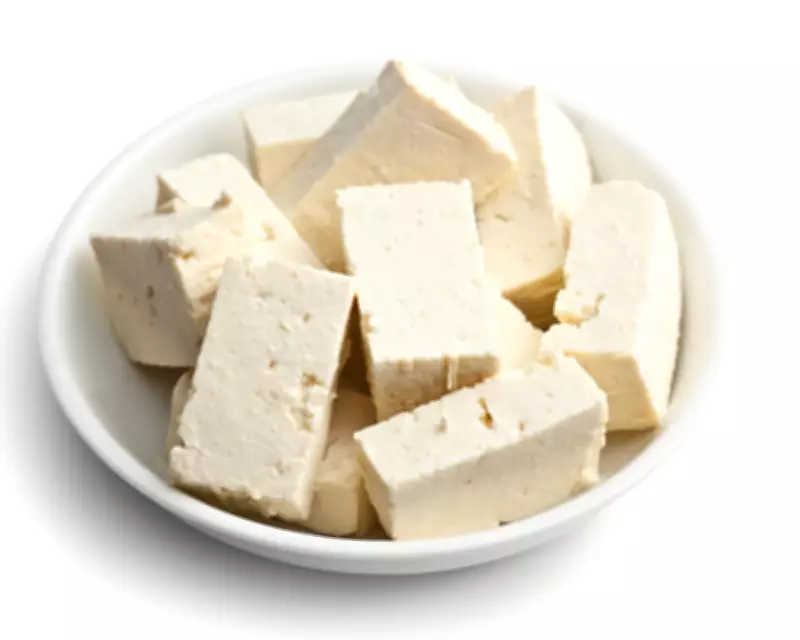
The Missouri tofu spill was described as 'unforgettable' – but what are history's greatest bad smells? The long-running series in which readers answer other readers' questions on subjects ranging from trivial flights of fancy to profound scientific and philosophical concepts.
The Missouri Tofu Incident
I must admit to cracking a smile when I read the story about the revolting result of a tofu spill last month in Missouri. About 40,000lbs (18,000kg) of extra-firm tofu was left to rot for three weeks after a road accident – no one was hurt – turned into an insurance dispute. Local officials described the smell as 'unforgettable' and 'like a dead animal, but worse'.
Historical Olfactory Horrors
So, what are history's greatest bad smells? From the Great Stink of London in 1858, when the Thames became an open sewer, to the aftermath of the Great Plague, where rotting corpses filled the streets, humanity has faced many unforgettable stenches. The 1919 Great Molasses Flood in Boston left a sweet, sticky smell that lingered for months, while the 1986 Lake Nyos disaster in Cameroon released a cloud of carbon dioxide that suffocated thousands, leaving a lingering odour of decay.

Even in modern times, events like the 2015 gas leak in Aliso Canyon, California, which released methane and other chemicals, caused a stench that residents described as 'unbearable'. And let's not forget the infamous 'tofu spill' of 2024, which now joins the ranks of history's most memorable bad smells.