A Brutally Honest Guide to Sussex: From Brighton's Grime to Eastbourne's Charm
Having spent most of my adult life in Surrey, my heart has always remained firmly in Sussex. I was born in Brighton, where my parents once ran a pub in the picturesque village of Chiddingly, a location famously visited by Picasso. In those days, Sussex was populated by locals, artists, and occasional celebrities. Today, it is inundated with DFLs—Down From London—seeking cleaner air and larger gardens. I understand the appeal, having made a similar move myself.
However, the glossy supplements never reveal the full story. After experiencing London's vibrant culture, intellectual neighbours, and ubiquitous sourdough bakeries, relocating to a soulless Sussex commuter town can feel less like a fresh start and more like a regrettable mistake. Annual "Best Places to Live" lists consistently highlight Brighton, Haywards Heath, Worthing, and Crowborough, yet these recommendations often seem recycled from decades past.
While the air is undoubtedly cleaner and houses occasionally more affordable, many towns lack character, cultural depth, and vibrant high streets. If some of these locations were personified, they would resemble an accountant named Kevin: pleasant, competent, but utterly beige. After moving to Eastbourne last summer and exploring every corner of Sussex, here is my candid assessment of the region's most desirable, charming, and deeply disappointing spots.

Brighton: London-on-Sea with Overflowing Bins
Brighton attracts liberal Londoners who crave escape from the capital yet cling to oat milk and identity politics. Parts remain fabulous, including Regency architecture featured in period dramas, the quirky independent shops of the Lanes, and an abundance of bakeries. However, closer inspection reveals filth: takeaway cartons litter pavements, beer bottles adorn the beach, and burst bin bags create a permanent "Urban Decay" installation. Foxes and seagulls thrive, while residents endure gridlocked traffic, predatory parking systems, and a nightlife dominated by stag parties.
Theoretically an hour from London, train delays are frequent due to leaves on the line, signalling failures, or driver shortages. The relentless wind might necessitate a Dryrobe at all times, though it is less embarrassing than wearing one in Kensington Gardens. Sadly, the Brighton I cherished has vanished.
Worthing: Brighton's Tired Cousin
Worthing suffers from Brighton's issues—grime, parking misery, and fraying edges—but offers fewer redeeming features. The town centre appears shabby rather than chic, with outer areas feeling bleak. Nightlife is limited to real ale or karaoke, lacking edginess. Perks include the lovely Perch on the Pier and excellent views from Tern, while the seafront shines in sunlight. However, crime and anti-social behaviour are real concerns, with roaming teenagers replacing drunk stags. Green spaces like Beach House Park provide respite, and three railway stations offer quick escapes.
Lewes: Charming but Asleep by 9pm
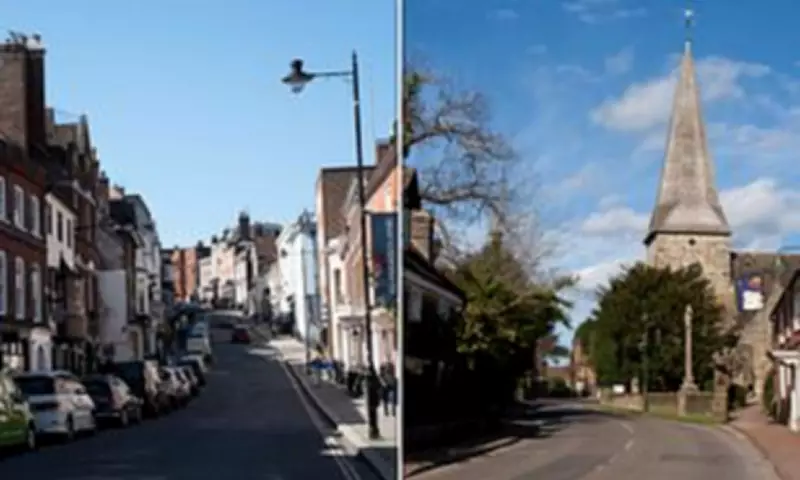
Lewes exudes charm with its fifteenth-century bookshop, medieval castle, and Anne of Cleves's house. Hidden alleys, delightful cafes, and film-worthy homes abound, though property prices are steep. Popular with London escapees, it retains an alternative vibe, attracting hemp-clad, patchouli-scented residents. Cultural hotspots like Glyndebourne and Charleston ensure festivals and arthouse films are plentiful, yet the town falls silent by 5pm. Steep hills provide natural exercise, and the spring-fed Pells Pool offers icy swims. Independent shops thrive, but evening coffee is impossible.
Mayfield: Two Pubs and a Head Torch
Mayfield demands a radical lifestyle change, offering quiet countryside with narrow streets, historic buildings, and muddy footpaths. Walking is the primary activity, though speeding Land Rovers and potholes pose hazards. Without a railway station, commuting requires driving to Tunbridge Wells, and buses run sporadically. The Middle House pub serves cosy meals, but variety is scarce. Nightlife consists of stargazing or early nights, necessitating Hunter boots and farewells to Deliveroo.

Haywards Heath: Efficient and Uninspiring
Haywards Heath's sole advantage is frequent Thameslink and Southern Rail services to London. The town lacks prettiness, personality, and community spirit, resembling Keir Starmer in its blandness. The high street is shockingly dull, with bars like Fine Baps and Pink Flamingo failing to impress. Property prices remain high, and smiles are rare. For quaintness, nearby Lindfield offers a superb duck pond, but culture seekers should look elsewhere.
Burgess Hill: Affordable, and That's About It
Burgess Hill is a transit point rather than a destination, despite good rail links to London. The surrounding countryside and Bedelands nature reserve are picturesque, but the town feels stuck in a fifty-year-old heyday. The Martlets Shopping Centre's highlight is Greggs, and regeneration efforts produce soulless brick boxes. Victorian housing and pretty streets are rare, and my childhood loathing for the area persists.
Crowborough: Lovely Countryside, Lacklustre Town
Crowborough recently made headlines for housing asylum seekers in a former military camp, depressing property prices. The lacklustre high street and distant station—with hourly trains—offer little. However, the High Weald Area of Outstanding Beauty provides excellent walking, though the town itself lacks charm. Property is cheaper, reflecting limited amenities.
Wadhurst: Almost Picture Perfect… and Watching You
Affluent Wadhurst signifies success, with Boden-clad residents and independent shops. Great schools, a London-bound railway station, a castle, and llama trekking seem ideal, but traffic congestion during school runs and rush hour induces road rage. Tractors and four-wheel drives dominate roads, as buses are rare and the village is spread out. With under 5,000 residents, gossip spreads rapidly after pub visits.
Eastbourne: God's Waiting Room? Don't Believe It
Dubbed "God's waiting room," Eastbourne surprised my London friends with its vibrancy. Clean areas like Meads Village resemble Twickenham, while Sovereign Harbour offers affordable sea views. Though central parts need TLC and homelessness persists, the seafront is stunning year-round. Three theatres and the Towner Art Gallery provide cultural enrichment at lower costs, and an alternative scene includes ecstatic dance and sound baths. Gentrification is slow but evident, with London-style venues like Port Hotel emerging. Despite potholed roads and two Wetherspoons, Eastbourne is a hidden gem—just don't tell everyone.