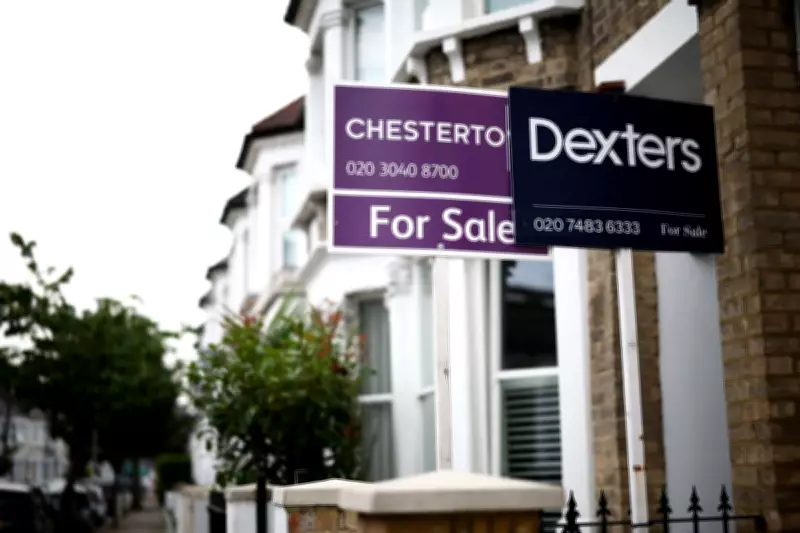
House Flipping Plummets to Lowest Level in Over a Decade
The practice of house flipping, which involves purchasing and reselling residential properties within a 12-month period, has reached its lowest point in more than ten years across England and Wales. According to a recent report from the property firm Hamptons, the number of flipped homes has dramatically decreased, falling from 21,520 transactions in 2016 to just 10,570 in 2025. This represents a significant reduction, with flipping now accounting for a mere 1.5 per cent of all housing transactions in the region.
Impact of Stamp Duty Changes
The sharp decline in house flipping activities is primarily linked to the introduction of the second home stamp duty surcharge in 2016. This policy change has led to a long slowdown in the flipping market, as higher tax costs have deterred many investors from engaging in short-term property resales. The surcharge has increased the financial burden on those buying additional properties, making flipping less attractive and profitable in many areas.
Regional Variations in Profitability
Profitability from house flipping has shown considerable variation across different regions. The steepest declines have been observed in the South of England, where weaker house price growth and elevated stamp duty costs have combined to reduce returns. In contrast, the North East of England remains a flipping hotspot, with locations such as Hartlepool and Sunderland continuing to offer healthy profits. This is largely due to lower entry prices and stronger house price growth, which provide more favourable conditions for investors.

The overall trend indicates a shift in the property market dynamics, with flipping becoming a less common strategy in many parts of England and Wales. As regulatory measures like stamp duty reforms continue to influence investor behaviour, the future of house flipping may depend on regional economic factors and further policy adjustments.