

Jackson Hole's Housing Crisis: Ultra-Wealthy Buyers Displace Locals in Wyoming Ski Town
The picturesque ski town of Jackson Hole, Wyoming, is undergoing a dramatic transformation as an influx of ultra-wealthy individuals from states like New York, Texas, and California drives property prices to unprecedented heights, effectively pricing out long-term residents. Known for its world-class skiing and serene natural environment, Jackson Hole has become a year-round haven for the rich seeking privacy and luxury, but this shift is creating a severe housing crisis for the local community.
A Paradise for the Wealthy, a Struggle for Locals
With a population of just 10,700, Jackson Hole offers a unique blend of seclusion and natural beauty that is increasingly attractive to high-net-worth individuals. Local realtor Greg Prugh, a native of Jackson, explains that the appeal lies in the lifestyle. 'You may not see anyone at all on any given day,' Prugh told the Daily Mail. 'That's the reason people live here... Lifestyle is compensation here.' The wealthy are drawn to the area's hiking trails, lack of crime, and tax benefits, as Wyoming imposes no income tax.
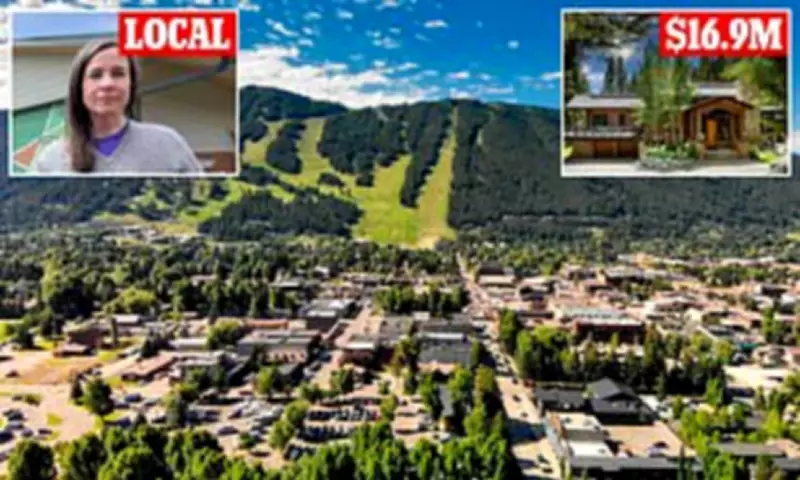
However, this demand has sent property values soaring. The average home price in Teton County, which includes Jackson Hole, stands at $3.21 million as of February, nearly double the 2019 figure. Prugh's real estate company currently lists properties ranging from $1.4 million to $16.9 million, with some homes, like one on McCollister Drive, priced at $16.9 million. The number of homes sold for over $10 million reached a new high in 2025, increasing by 131 percent, and top listings can hit around $42 million.

Local Residents Grapple with Soaring Costs
For locals, the rising prices are devastating. Jessica Sell Chambers, who has lived in Jackson for 16 years, purchased her home for between $800,000 and $850,000 in 2015. Post-pandemic, its value tripled to an estimated $2.2 million, leading to a commensurate increase in property taxes. 'Every aspect of our community is being impacted by the influx of the wealthy,' Chambers said. She and her husband are barely holding onto their home, raising their teenage son there, but their future is uncertain. 'Our future is kind of unknown,' she admitted. 'Right now, we're stable, we're secure, but it's heartbreaking to think of losing it.'
The crisis extends beyond individual homeowners. Chambers has watched friends and essential workers, such as teachers and retail employees, leave the area after being priced out. Despite efforts to build affordable housing, she believes it's insufficient. 'I used to believe that if we just built more affordable housing, that would curtail things and help change, but you can't keep up with the pace... That train has left the station,' she lamented. New condos intended for blue-collar workers remain empty due to high land costs.
The Wealthy Buyer Profile and Broader Impacts
Prugh describes the typical Jackson buyer as having a salary in the hundreds of thousands to millions, loving nature, and desiring ample space. Many own fourth or fifth homes in the area and plan to build portfolios there. 'They're not worried about a couple million extra dollars,' Prugh noted. 'This is a lifestyle conversation. They want to own and spend time in Jackson, and benefit from the taxes, the lack of crime, and the lifestyle.'
The influx is visibly marked by private jets landing at the small airport and black Escalades transporting the top one percent to their ritzy homes. As Jackson becomes more expensive, neighboring towns like Driggs are gaining popularity as more affordable alternatives. 'Those areas are booming, because the prices, the farther away you get, they're less and less expensive,' Prugh explained.
Both Prugh and Chambers acknowledge the difficulty of living in Jackson due to escalating costs. 'It's difficult to live here,' Prugh admitted, highlighting that many new arrivals don't need to work or have financial support from family events. This dynamic underscores a growing divide between the ultra-wealthy and the local community, threatening the town's social fabric and long-term sustainability.






