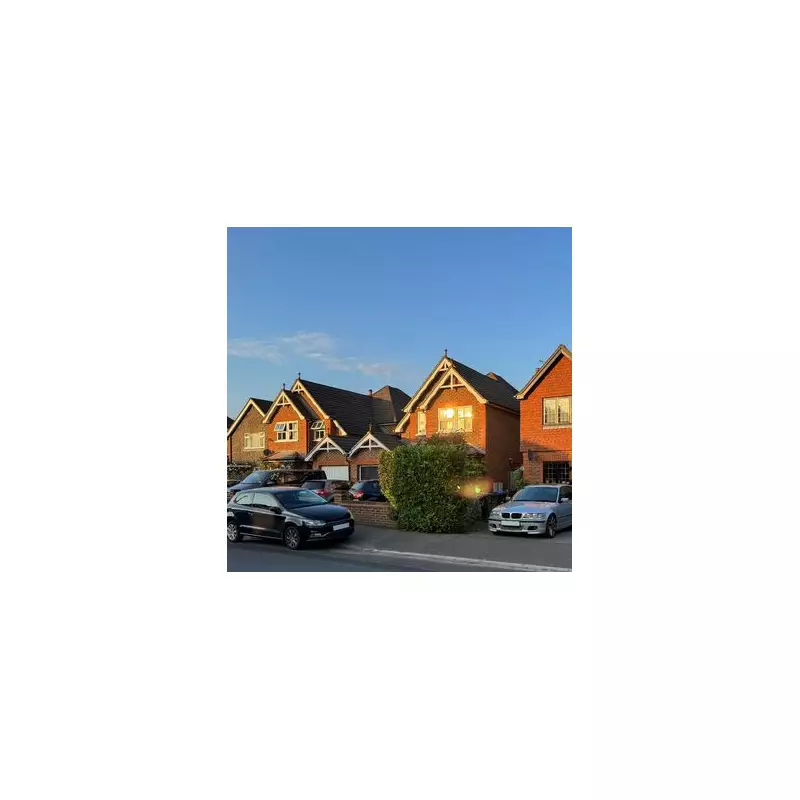
Homeowners in England should take note of recent changes to driveway regulations that could affect their properties. The updated rules, which came into effect earlier this year, aim to balance environmental concerns with practical needs for parking spaces.
Key Changes to Driveway Regulations
The most significant update allows homeowners to create driveways without planning permission, provided they use permeable materials that allow water drainage. This change reflects growing awareness of flood risks and environmental sustainability.
What This Means for Property Owners
If you're considering adding or modifying a driveway, you now have more flexibility, but with important conditions:

- Permeable surfaces like gravel or special porous paving are now preferred
- Traditional concrete or tarmac driveways may still require planning permission
- Front garden conversions must include provisions for water drainage
Why the Rules Changed
The government introduced these updates to address two major issues:
- Reducing flood risks from surface water runoff
- Making it easier for homeowners to create off-street parking
Environmental groups have welcomed the emphasis on sustainable materials, while motoring organisations appreciate the streamlined process for creating parking spaces.
Checking Your Compliance
Before starting any driveway project, homeowners should:
- Consult local council guidelines for specific requirements
- Consider the long-term maintenance of permeable surfaces
- Check if their property is in a conservation area or has other restrictions
These new regulations represent a significant shift in how England manages urban drainage while accommodating the need for residential parking solutions.