Prince William's Duchy Estate Plans Spark Major Stress Among Devon Tenants
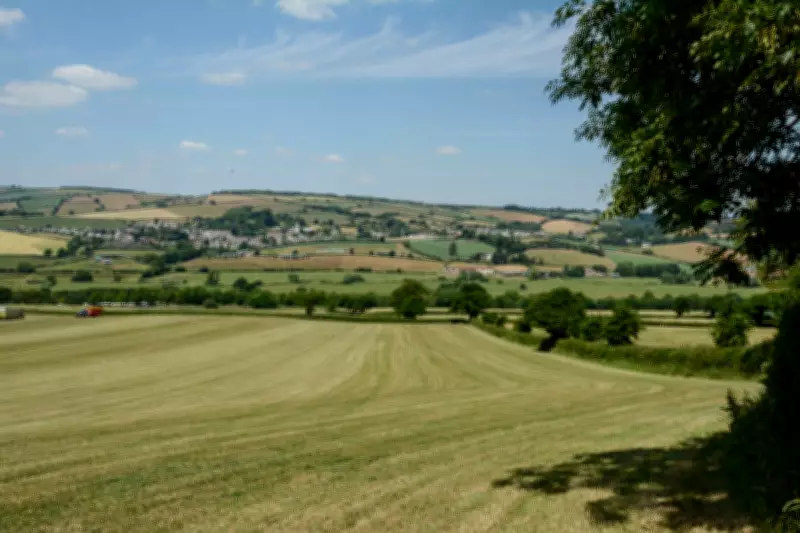
Tenants on a historic Devon estate have been left "enormously stressed" following the announcement of land sales by the Duchy of Cornwall, which is owned by Prince William. The Bradninch estate, located near Cullompton in Devon, has been part of the duchy for centuries and is now under the ownership of the heir to the throne.
Inheritance and Financial Background of the Duchy
Prince William inherited the Duchy of Cornwall when his father, King Charles III, ascended to the throne. This vast portfolio includes extensive land holdings, property assets, and diverse investments, with an estimated total value exceeding £1 billion. As the 25th Duke of Cornwall, William receives a private annual income of nearly £23 million from the duchy, which funds the charitable activities, private lives, and official duties of the Prince and Princess of Wales, along with their children, Prince George, Princess Charlotte, and Prince Louis.
Tenant Concerns and Community Reactions
In a letter to The Times, local resident John Palmer expressed shock at the news, stating it has caused significant stress for both tenants and employees of the estate. Palmer highlighted that while tenants are being offered first refusal to purchase their farms, many may struggle to raise the necessary capital in today's challenging financial climate for British agriculture. Some of these farms have been operated by the same families for generations, adding to the emotional and economic strain.

George Dunn, chief executive of the Tenant Farmers Association (TFA), commented on the situation, noting that the association is aware of ongoing conversations regarding the sales. "The TFA is disappointed that the duchy is selling, but it is part of their current plans for rationalisation," Dunn said. He added that while sitting tenants are being given first refusal, this could lead to major upheaval for those unable or unwilling to purchase, given their long-term expectations as tenants under the Duchy of Cornwall.
Duchy's Rationale and Future Plans
Will Bax, chief executive of the Duchy of Cornwall, explained that the sales are part of a broader review aimed at maximizing social and environmental impact across the portfolio. "We will be reinvesting significantly in areas where there is the greatest need and potential," Bax stated. He acknowledged that these decisions are tough but made with a long-term perspective, emphasizing compassion and support for tenants during the process.
Bax also noted that some farm tenants view this as an exciting opportunity to own their properties for the first time. However, the contrast between this optimism and the reported stress underscores the complex dynamics at play, as traditional tenancy agreements face potential disruption in favor of new ownership models.
Broader Implications for Farming and Heritage
The situation raises questions about the future of agricultural tenancies in the UK, particularly on historic estates like Bradninch. With farm business tenancy agreements potentially allowing for notices to quit if tenants decline purchase, there is a risk of vacant possession sales that could alter the rural landscape and community fabric. The duchy's move reflects a shift towards strategic portfolio management, but it leaves tenants grappling with uncertainty in an already difficult economic environment for farming.