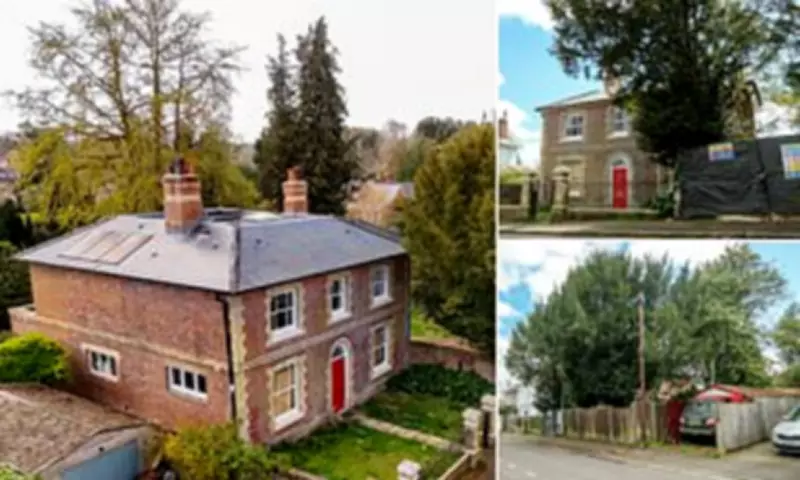
Millionaire Row Residents Triumph in Battle to Save Protected Yew Trees
Residents of an exclusive Winchester street are celebrating a significant victory after successfully blocking their neighbour from chopping down two protected yew trees in the garden of his £1.4 million property. The decision marks the culmination of a heated planning dispute that has divided the affluent neighbourhood for months.
The Controversial Development Plans
Property owner Peter Sykes had sought permission to remove two 30-foot-high yew trees from his Winchester home to create space for a new building and additional parking bays at the front of the property. The trees, which are estimated to be over sixty years old and in excellent condition, are protected under a Tree Preservation Order (TPO) that has now been made permanent following a decisive council ruling.
Mr Sykes, who resides in Andover, Hampshire, does not currently live in the Winchester property and has reportedly left the house empty for the past five years. The home has been owned by his family since the 1960s, and neighbours have expressed frustration about its deteriorating condition, urging him to sell to someone who would properly restore the plot.

Neighbourhood Outrage and Objections
Fifteen neighbours formally objected to the tree removal plans, arguing that destroying the mature yews would constitute a "travesty of justice" and irreparably damage the character of their conservation area. The street, where homes average £1.442 million, is located within one of Britain's first designated conservation areas, adding weight to residents' preservation arguments.
Retired lawyer Nick Page, 69, who has lived next door to the property with his wife since 1994, expressed his delight at the planning committee's unanimous decision. "Everybody in the road and surrounding roads are delighted about the planning committee's decision to confirm the tree preservation order on the two yew trees," he stated. "It would have been a travesty if the planning committee had permitted these trees to be taken down."
Previous Planning Controversies
This is not the first time Mr Sykes has clashed with neighbours over development plans. Last year, he secured approval to "squeeze" a new house into his garden, with the specific condition that the protected trees would be conserved. His subsequent attempt to challenge Winchester City Council's tree preservation decision has now been decisively rejected.
Neighbours have accused Mr Sykes of "manipulating" the planning process and showing "total disrespect" to the community. Industry manager Liam Kilpatrick, 55, who has lived next door since 2002, commented: "He doesn't live there and has put in zero effort to engage with the community who live in the street. He has had multiple tenants but he has run it into the ground. He has been very irresponsible."
Conservation Concerns and Parking Issues
Beyond the tree preservation debate, residents raised additional concerns about the practical implications of further development on their narrow street. They warned that increased construction activity would exacerbate existing parking problems, as there is insufficient space for large vehicles to turn around safely.
Peter Moir, 78, who has lived opposite the property with his wife since 1992, praised the planning committee's decision, noting: "The decision was largely based on the amenity value of the trees. It was causing a lot of concern to a lot of people both in the street and nearby." He also commended local councillor Richard Murphy for his "helpful comments on the importance of large and established trees to the Conservation area."
Ongoing Monitoring and Future Concerns
While celebrating their victory, residents remain vigilant about potential future threats to the property's remaining trees and the manner in which approved building works will be carried out. Mr Page noted there is "ongoing concern about the preservation of other trees on the site and the manner in which the building works will be carried out."
The case highlights the tension between property development rights and conservation priorities in Britain's historic neighbourhoods, particularly in areas where wealthy residents have both the means and motivation to challenge planning decisions they believe threaten their environment and property values.