

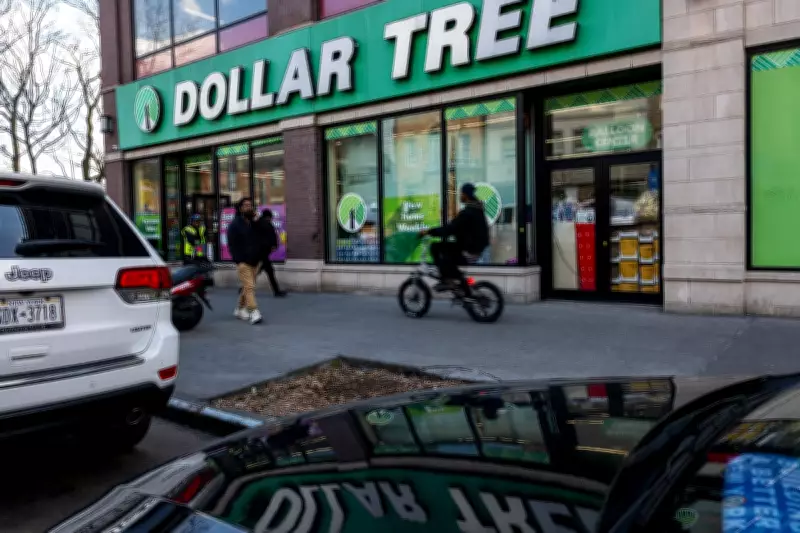
Discount retail giant Dollar Tree has issued a cautious earnings forecast for 2026, anticipating slower growth as economic pressures from the ongoing Iran war strain American household budgets. The company, known for its $1.25 price point on many items, projects sales of up to $20.7 billion this year, representing a 6.7 percent year-on-year increase. However, this growth rate lags significantly behind the robust 10.7 percent expansion achieved in 2025, according to the firm's fourth-quarter and full-year results released on Monday.
Strategic Slowdown in Expansion
In line with its tempered outlook, Dollar Tree plans to open 400 new stores in 2026, a slight reduction from the 402 openings in 2025 and a more substantial drop from the 525 locations launched in 2024. This strategic pullback reflects broader concerns about consumer spending resilience in a challenging economic climate.
Younger Generations Drive Past Success
The company's strong performance in 2025 was partly fueled by shifting shopping habits among younger demographics. A 2025 study from financial services firm Empower revealed that approximately 60 percent of Millennials and Gen Z consumers now purchase groceries and household essentials at dollar stores. Concurrently, a Bank of America study found that 35 percent of Gen Z shoppers report monthly expenditures exceeding expectations, making Dollar Tree's affordable product range an increasingly attractive option for budget-conscious buyers.

These stores are renowned for offering inexpensive sundries, including kitchenware, paper products, stationery, personal care items, and basic groceries. Yet, the current focus on frugality extends well beyond specific age groups, as American consumers overall grapple with growing pessimism following the outbreak of the U.S. war with Iran.
Consumer Sentiment Takes a Hit
The University of Michigan's most recent Survey of Consumers indicates that consumer sentiment—a key measure of public confidence in personal finances and the broader economy—declined by 2 percent heading into March. Researchers noted that sentiment had improved prior to the conflict but dipped sharply after hostilities commenced, erasing earlier optimism. The war was identified as a primary driver of this negative shift.
Gas Prices and Inflation Concerns
Among consumer worries, soaring gas prices featured prominently. Data shows prices surged by 50 cents per gallon from the war's onset on February 28 through March 9. Financial services group Allianz warns in a recent memo that rising energy costs could push the inflation rate to 3.6 percent by May, marking the highest level in over two years. This uptick compounds existing cost-of-living struggles for many households.
Broader Economic Ripples
The war's impact is projected to extend far beyond fuel prices, according to analyses from the nonpartisan policy institute Center for American Progress. Disruptions to shipping through the Strait of Hormuz along Iran's coastline are likely to trigger spikes in natural gas and fertilizer costs. These increases could, in turn, elevate grocery prices, as American food production relies heavily on natural gas for powering farm equipment and transportation, while fertilizer expenses are directly tied to shipping logistics.
As inflationary pressures mount and consumer confidence wanes, Dollar Tree's conservative outlook underscores the profound economic uncertainties facing retailers and shoppers alike in 2026.






