

Government Unveils 'Game-Changing' Payment Law Reforms to Protect Small Businesses
The government has launched what it describes as the most significant crackdown on late payments to small businesses in more than a quarter of a century. This initiative aims to protect firms from practices that force over 1,000 closures each month and cost the UK economy an estimated £11 billion every year.
Strongest Laws Among G7 Nations
The reforms are set to establish the strongest late payment laws among G7 nations, ensuring that small businesses, including tradespeople, freelancers, and the self-employed, receive timely payment for their work. These measures, initially outlined in a plan by Sir Keir Starmer last year, represent a major shift in business regulation.
Enhanced Powers for the Small Business Commissioner
Central to the new measures are enhanced powers for the Small Business Commissioner. This office will now be able to investigate poor payment practices, adjudicate disputes, and impose substantial fines on the worst offenders. Penalties could reach tens of millions of pounds for companies that persistently delay payments or fail to comply with the new regulations.

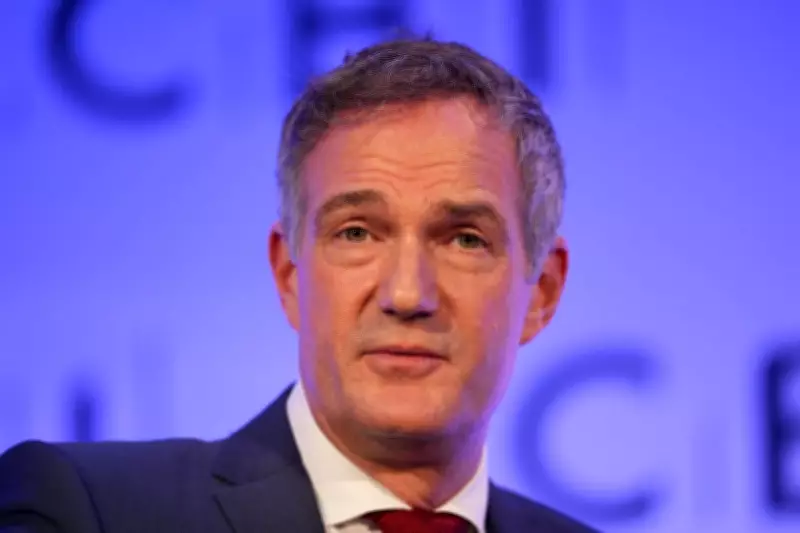
Business Secretary Peter Kyle emphasised the urgency of the situation, stating: "Far too many businesses are forced to shut down because they have not been paid – that is simply unacceptable. We are unveiling the strongest, most robust changes to payment laws in over a generation – laws that will transform the fortunes of small businesses for years to come and make their day-to-day lives much easier."
Specific Changes and New Regulations
Among the specific changes is a new 60-day cap on payment terms for all large firms when settling invoices with smaller suppliers. Additionally, a mandatory interest rate on late payments will be introduced, requiring all commercial contracts to include statutory interest set at 8 per cent above the Bank of England base rate.
This means a small business owed £10,000 and paid 60 days beyond the agreed date would be due £10,293.15, comprising the mandatory interest plus £100 in compensation. The government also proposes to ban the withholding of retention payments under construction contracts, a move aimed at preventing small firms from losing these funds due to insolvency or non-payment.
Game-Changing Measures and Industry Support
Small Business Minister Blair McDougall hailed the new measures as "genuinely game-changing". He added: "I know first-hand how difficult late payments can be, forcing you to decide if you can afford to keep a business running, pay employees or even buy Christmas presents for your children. That is why I’m proud to be leading the charge on tackling a problem that has been left untouched for far too long. These are genuinely game-changing measures that will ensure no business, no employer, no family has to endure the immense strain of being left strapped for cash they have already earned."
Emma Jones, the Small Business Commissioner, welcomed the announcement, stating: "We are on a mission to make life easier for small firms by getting money moving faster through the economy by tackling late payments. The measures the Government has announced today will strengthen the role of my office in taking on the worst payers alongside ensuring small businesses have a stronger voice on payment terms and late payment interest. These reforms will reduce the hours spent chasing debt allowing small businesses to focus on more productive and enjoyable growth."
The government stated these reforms would go further than previous administrations by strengthening legislation first established in the 1998 Late Payment of Commercial Debt Act, marking a pivotal moment for small business protection in the UK.






