

SMEs Face Existential Threat from Cybersecurity Failures
Small and medium-sized enterprises across the United Kingdom are confronting a potentially devastating cybersecurity crisis, with new research indicating that one in five could be forced to cease operations within three months following a significant data breach. This stark warning emerges from a collaborative initiative between technology giant Samsung and Stephen Libby, the 2026 winner of the television series Traitors and a former cybersecurity specialist.
Alarming Statistics Reveal Widespread Vulnerability
A comprehensive survey of 1,000 SME owners has uncovered a troubling landscape of digital insecurity. The study estimates that these businesses collectively face annual losses of up to £100,000 per company due to unexpected security repairs and malware recovery costs. Despite this financial burden, a significant 67% of respondents have failed to implement new cybersecurity measures over the past year, and 45% provide no staff training whatsoever, leaving their operations dangerously exposed.
Risky Behaviours in Everyday Work Environments
The research highlights numerous hazardous practices that exacerbate the threat. An astonishing 58% of SME employees connect to free public Wi-Fi networks, with 15% accessing confidential work documents through these unsecured connections. Furthermore, nearly a third (32%) of small business workers admit to conducting work from coffee shops at least once weekly, while 24% do so on public transport. These mobile working patterns create multiple points of vulnerability for sensitive business data.

Stephen Libby, drawing on his cybersecurity background, emphasised the severity of the situation. "Cyber security breaches are a massive issue for any business, and this traitorous behaviour can especially affect SMEs," he stated. "A single incident can disrupt operations or even force business to close. With so much work now happening on phones, it's crucial that businesses make sure they're using devices with strong built-in security and privacy protections to keep sensitive information safe."
Critical Awareness Gaps and Device Security Neglect
While business owners demonstrate awareness of various cyber threats—including phishing (88%), malware (84%), unauthorised apps (53%), firmware tampering (32%), and snooping (29%)—alarming gaps persist in practical security. One in five admitted they would not recognise if their device had been compromised, and 58% download applications or software to work devices without first checking security permissions.
Physical security lapses compound these digital vulnerabilities. Nearly one quarter (23%) have left a device unlocked and unattended in a public place, while 31% never use a physical privacy screen to protect on-screen information. With three quarters of SMEs using mobile devices for work, the finding that 49% do not prioritise cybersecurity when selecting devices represents a fundamental oversight.
Samsung's Response with Enhanced Security Technology
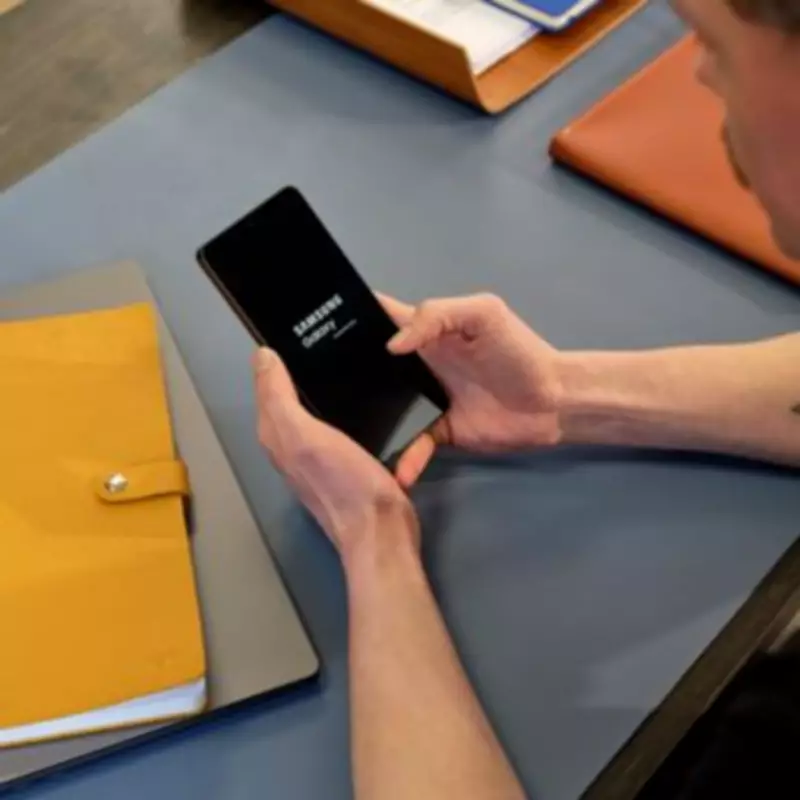
The research was commissioned to launch Samsung's Galaxy S26 Ultra Enterprise Edition, a device featuring built-in Privacy Display technology and government-grade Samsung Knox security. Annika Bizon from Samsung commented on the initiative's purpose: "Small and medium businesses are the backbone of our economy, yet they are increasingly targeted by cybercriminals because they often lack enterprise-grade protection. Technology should help level the playing field. By building advanced security directly, we're helping businesses with the tools to stay proactive and protect sensitive data wherever work happens."
This partnership between entertainment and technology sectors underscores the urgent need for SMEs to address cybersecurity not as an optional extra, but as a fundamental requirement for business survival in an increasingly digital economy. The combination of expert warning and technological innovation highlights a critical juncture for small business security practices nationwide.






