

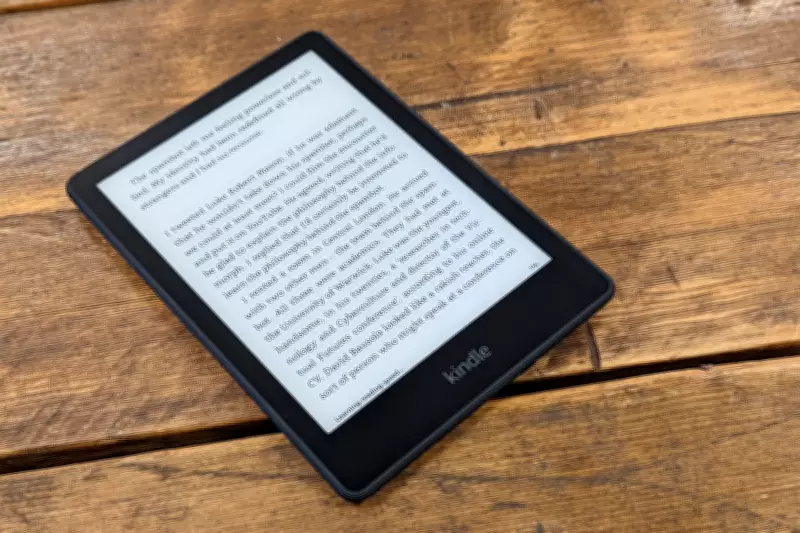
Amazon to Disable Pre-2013 Kindle E-Readers, Cutting Off Access to New Books
In a significant move for loyal e-reader users, Amazon has announced it will officially terminate support for its pre-2013 Kindle models, effectively bricking these devices from 20 May. This decision means owners of older Kindles will no longer be able to download or borrow new books, and once de-registered, the devices become unusable plastic slabs.
Why This Matters for E-Reader Longevity
While retiring decade-old gadgets might seem like standard industry practice, e-readers differ markedly from smartphones or tablets. Designed for durability, they can often function perfectly for decades without replacement. However, Amazon's tightly controlled ecosystem, often described as a walled garden, means these devices rely entirely on the company's servers and store to operate.
This dependency allows Amazon to remotely deactivate Kindles, a power it is now exercising for older models. Once support is severed, devices lose access to the Kindle store and cloud syncing. Although users can continue reading already-owned books, and their libraries remain safe in the Kindle app, any factory reset or de-registration will permanently lock the device, transforming it into a mere paperweight.

Affected Devices and Limited Compensation
The complete list of impacted e-readers includes early generations such as the Kindle 1, Kindle 2, Kindle DX, Kindle Keyboard, Kindle 4, Kindle Touch, Kindle 5, and the first-generation Kindle Paperwhite. Additionally, four tablets launched by 2013 will lose support: the Kindle Fire 1st Gen, Kindle Fire 2nd Gen, Kindle Fire HD 7, and Kindle Fire HD 8.9.
To mitigate the impact, Amazon is offering affected users a 20 per cent discount on select new Kindles and $20 in ebook credit in the United States. This brings the cheapest current Kindle model down to approximately £75 in the UK, mirroring the discount available through Amazon's trade-in recycling scheme. However, a critical issue arises as the oldest Kindles are not readily accepted by this programme, potentially consigning thousands of functional devices to landfill.
Sustainability Concerns and Broader Implications
This move raises questions about electronic waste, conflicting with Amazon's sustainability pledges to reduce e-waste. The company asserts that only 3 per cent of Kindle owners will be affected, but the environmental impact of discarding working hardware remains a concern. As the tech industry grapples with obsolescence, this case highlights the challenges of maintaining older devices in closed ecosystems.
For those seeking alternatives, the market offers various e-reader upgrades, but the forced retirement of perfectly good Kindles underscores a growing debate over consumer rights and product longevity in the digital age.






