Apple's 50-Year Journey: Triumphs and Failures in Tech
Fifty years after Steve Jobs, Steve Wozniak, and Ronald Wayne founded Apple in a Los Altos garage, the company has evolved into a global behemoth. Billions use its products daily, from early home computers to the smartphone era. Apple has consistently reset consumer expectations, initiating trends and popularising innovations. This article rounds up five of its most influential products over the past half-century, alongside some significant misses that highlight the risks of tech pioneering.
The Hits: Products That Defined Eras
Apple II (1977)
The Apple II marked Apple's entry into mass-market personal computing. Designed by Steve Wozniak, it was a complete, ready-to-use machine with colour graphics, Basic in read-only memory, and expansion slots. This encouraged a thriving ecosystem of third-party hardware and software, from games to the VisiCalc spreadsheet. Aggressive education discounts helped place it in US classrooms, making it the first computer for many students. Apple analyst Horace Dediu notes that its ethos was simplicity, aiming to make technology accessible to the masses. The Apple II transformed Apple from a startup into a key player in the early PC revolution.

Macintosh (1984)
The Macintosh personal computer popularised the graphical user interface, with windows, icons, menus, and a mouse. Named by Apple employee Jef Raskin after his favourite apple variety, it made computing feel less intimidating. Ridley Scott's "1984" Super Bowl advert positioned it as a rebellious alternative to IBM PCs. Dediu emphasises that Apple mastered the human-computer interface, establishing a legacy of user-friendly design that continues today.
iMac G3 (1998)
Apple revitalised PCs with the iMac G3, ditching beige boxes for translucent all-in-one machines in bright colours. Apple analyst Avi Greengart highlights that its simplicity in internet connectivity—requiring only two cables—made it approachable and fun. While Sony's Vaio computers were stylish, Apple's added user-friendliness helped it eclipse competitors, making the iMac G3 a design and commercial success.
iPod (2001)
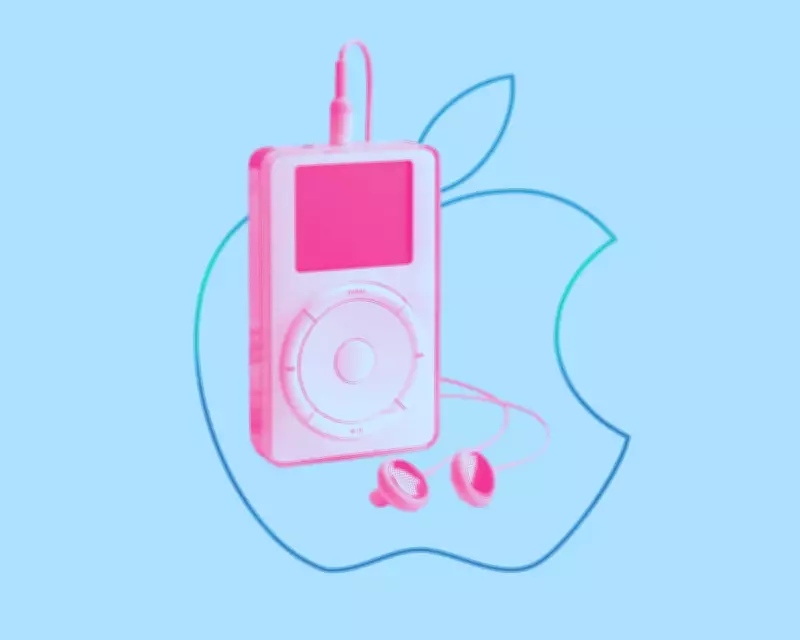
In the era of Walkmans and disc players, the iPod revolutionised music listening with "1,000 songs in your pocket." It combined slick hardware, easy syncing via iTunes, and a scroll-wheel interface. Though not the first MP3 player, it became mainstream through iconic marketing and white earbuds. The iPod re-energised Apple's business and trained users to buy digital media, paving the way for the iPhone and App Store.
iPhone (2007)
While IBM's Simon was the first smartphone, the iPhone popularised the product with intuitive gestures like scrolling and pinching to zoom. Greengart recalls that initial demonstrations seemed unreal until hands-on use confirmed its capabilities. The iPhone established Apple's control over its ecosystem, leading to the App Store and standardised app experiences. Analyst Carolina Milanesi notes that Apple's best products are those it fully controls, creating a cohesive user environment.
The Misses: Lessons from Failure
Apple III (1980)
The Apple III, rushed to market as a business upgrade, suffered from hardware flaws like overheating due to a fanless chassis. Chips would pop out, forcing Apple to recommend dropping the machine to reseat them. Priced at $4,340, it had poor sales and was discontinued within two years, damaging Apple's reputation.
Macintosh Portable (1989)
Apple's first battery-powered Macintosh was criticised for being too big, heavy, and expensive, with prices up to $8,000. Despite a glitzy launch, sales were dismal, and production ceased by 1991, highlighting missteps in early portable computing.
Newton MessagePad (1993)
This personal digital assistant featured touchscreen and stylus handwriting recognition but was mocked for inaccuracy, as parodied on The Simpsons. High prices and battery-life issues led to poor sales, and Steve Jobs axed it upon his return in 1997, though it foreshadowed future tablet concepts.
Apple Pippin (1996)

Co-developed with Bandai, the Pippin games console struggled with a limited library of 18 titles and high cost. It sold only 12,000 units in the US and 30,000 in Japan, deemed too slow and lacking games. Milanesi points out that Apple's lack of full control in gaming contributed to this failure.
Apple Vision Pro (2024)
Launched as a "spatial computing" headset at $3,499, the Vision Pro faced criticism for being heavy, having short battery life, and causing visual discomfort. Sales were low, with only 390,000 units shipped in 2024. Dediu suggests it may be too early to judge, akin to other ahead-of-its-time products, but current reception indicates a significant stumble.
Apple's 50-year history showcases a blend of groundbreaking innovations and cautionary tales. From the Apple II to the iPhone, hits have defined tech eras, while flops like the Pippin and Vision Pro remind us of the challenges in pioneering new markets. As Apple continues to evolve, its legacy of controlling ecosystems and prioritising user experience remains central to its identity.