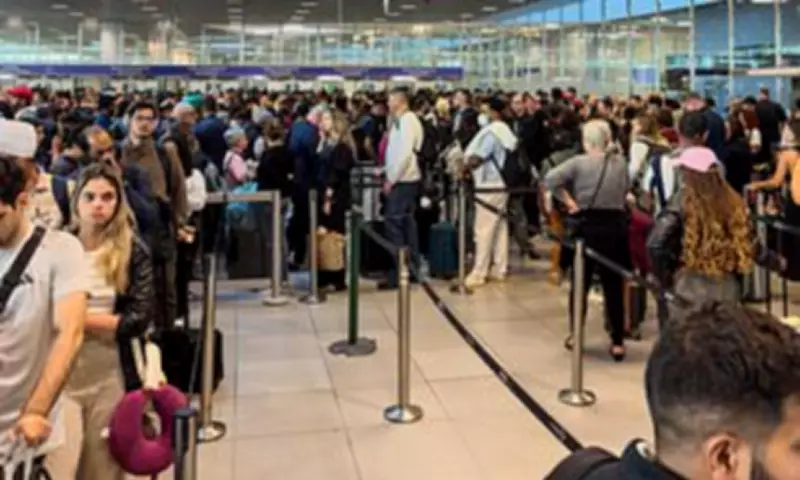
EU Launches App to Combat Biometric Border Chaos
The European Union's new Entry/Exit System (EES) has been gradually implemented across Europe since October 2025, with 29 countries now adopting the biometric border control process at their travel hubs. Under this system, non-EU nationals, including UK citizens entering the Schengen Area, must register biometric details such as fingerprints and photographs. The rollout has already caused significant disruption at airports struggling to adapt to the new procedures.
Flexibilities and a New Digital Solution
Originally scheduled for full implementation by April 10th, the EU has offered 'certain flexibilities' over the summer to avoid the extensive queues reported since the EES introduction. A newly launched application called 'Travel to Europe' could help streamline the system. This app enables non-EU tourists to register their passport data and facial images up to 72 hours before arriving at or leaving their destination.
The European Union clarifies: 'The app does not replace border checks but makes border crossing smoother, faster, and more efficient.' Designed specifically for non-EU nationals with biometric passports subject to EES registration, the app is optional but promises to save time and expedite border checks.

Expansion to Key Travel Hubs
Initially launched only in Sweden last year, the app is now available for travellers heading to Lisbon Airport in Portugal. Humberto Delgado Airport, Portugal's busiest airport handling over 35 million passengers annually and a major European hub, has been particularly affected by EES-related chaos. Portugal's popularity with British holidaymakers for its sun, beaches, and value has exacerbated these issues.
One couple travelling from Lisbon in June missed their flight due to enormous queues at passport control. In response, authorities reinforced the airport with 80 Public Security Police officers over the Christmas and New Year period, and in January, 24 members of the National Republican Guard were stationed in the arrivals area, a government-approved measure.
Industry Warnings and Passenger Advice
Last month, industry bodies including the International Air Transport Association, ACI Europe, and Airlines for Europe warned that the phased EES introduction since October has already caused 'significant delays'. In a joint letter to the European Commissioner for Internal Affairs, they cautioned that queues could extend to four hours or more this summer if the system is fully implemented.
Airports Council International Europe revealed that the EES has increased border waiting times by up to 70%, leading to three-hour queues during peak periods. The biometric processes, such as fingerprint registration, must be completed in person at the border upon arrival, creating backlogs instead of swift passport control.
Julia Lo Bue-Said, CEO of the Advantage Travel Partnership, advises holidaymakers to allow at least four hours at the airport, compared to the usual couple of hours. She recommends long layovers for connecting flights and notes that even travellers who have pre-uploaded data must join the non-EU passport queue with first-time users.
'Since the implementation of EES first began in October last year, we've already seen instances of significant delays at different airports and at different times,' she explains, highlighting variations based on time of day and traffic levels. She urges travellers to stay updated via airlines and airports, bring refreshments, and keep children occupied.
Future Developments and Expert Recommendations
Julia also advises monitoring the launch of the EU's ETIAS visa waiver programme, expected between October and December 2026 if the EES rollout succeeds. This will require citizens from over 60 visa-exempt countries to obtain pre-travel authorisation, valid for three years or until their passport expires, with a current cost of €20 (£17).
Alternatively, travel expert Ash Bhardwaj suggests obtaining a European passport if eligible to bypass queues, noting that delays should improve over time. The 'Travel to Europe' app is available for download on the App Store and Google Play, but the EU urges travellers to verify that their destination country supports the application.