Could Exoskeletons Outpace Self-Driving Cars as the Next Transport Breakthrough?
Forget self-driving cars, electric scooters, or wheeled shoes—the next frontier in personal mobility might just be exoskeletons. While the term likely conjures GCSE biology memories of beetles and crabs, modern gadget exoskeletons represent a cutting-edge branch of robotics designed to enhance human movement. Inspired by Wallace's electronic kecks in the 1993 animated classic The Wrong Trousers, these devices promise to help users walk faster, longer, and more powerfully uphill.
How Exoskeletons Work and Their Market Potential
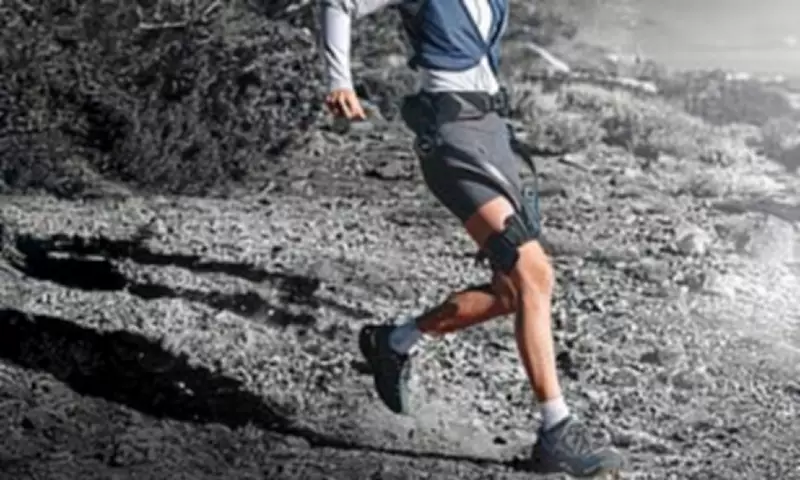
A motorised harness straps around the waist, connecting to paddles that sequentially pull up each thigh, reducing the effort of walking and running by 10 to 40 per cent, depending on settings. Manufactured in China, exoskeletons are beginning to enter the UK market, with prices ranging from £789 to £1,599 from pioneer Hypershell—a modest investment compared to high-quality electric bikes.
Target audiences include older individuals with mobility challenges, but Hypershell is actively courting athletes, runners, hikers, and mountain bikers seeking enhanced performance. This dual focus highlights the technology's versatility, though its niche appeal raises questions about mainstream adoption.

Hands-On Testing: From Berlin Woods to Richmond Hill
As a 70-year-old with moderate fitness, I tested the top-tier Hypershell X Ultra on two demanding walks: hilly woods outside Berlin and steep paths around Richmond, Surrey. The motors at each hip gently but firmly pull the paddles, adapting to terrain via AI and sensors. While my heart raced during climbs, my legs felt notably less fatigued, allowing me to cover more ground without sacrificing exercise intensity.
On Richmond Hill—a route that leaves even fit younger people breathless—the exoskeleton provided an afterburner-like boost, enabling me to power past others while my Apple Watch confirmed a solid workout. However, the device emits a distinct whirring sound reminiscent of Wallace's trousers, and wearers inevitably draw curious glances from passersby.
Real-World Reactions and Practical Considerations
During tests, ramblers frequently stopped to inquire about the exoskeleton, often responding positively—or politely—upon explanation. An anecdote from a Hypershell team member illustrates the social nuances: a marathon runner using the device shaved seven minutes off his personal best, only to receive cheers from a crowd mistaking him for disabled.
Post-walk, removing the contraption left my legs feeling heavy, as if adjusting to Martian gravity. Yet, with rechargeable batteries lasting all day, extended use is feasible. Despite its clever design, the exoskeleton is fiddly to don initially—reading the instructions is advisable—and requires a phone app for settings adjustments.
The Verdict: Clever Innovation with an Uncertain Future
Exoskeletons are undeniably ingenious, offering a 'best of both worlds' blend of exercise efficiency and enhanced mobility. However, their complexity and niche appeal suggest they won't rival bike shops in ubiquity anytime soon. Whether they'll walk off the shelves in coming years remains to be seen, but for now, they stand as a fascinating glimpse into the potential evolution of personal transport.