Tesla Cybertruck Fires: A Deadly Pattern of Trapped Passengers
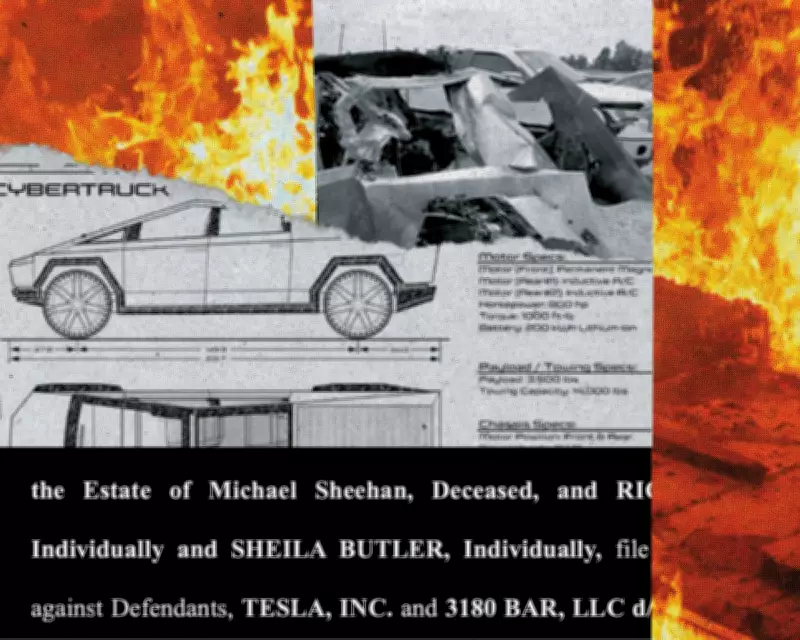
In August 2024, sheriff deputies in Baytown, Texas, responded to a late-night crash on a desolate road, only to find a massive pyre engulfing a Tesla Cybertruck. Through heavy smoke, officers saw flames leaping over 10 feet high, but could not approach due to the intense heat. After firefighters eventually extinguished the blaze, they discovered severely burnt human remains inside, later identified as Michael Patrick Sheehan, a 47-year-old nurse practitioner who had owned the vehicle for just three months.
Multiple Fatal Incidents and Lawsuits
This incident is one of five known Cybertruck fires tracked by the Guardian, resulting in four fatalities, including three college students in California. These cases have sparked three wrongful death lawsuits against Tesla, with families alleging that the truck's design flaws led to rapid fires and trapped passengers. For instance, Sheehan's family claims he could have survived the crash if the doors had unlocked, but instead, he burned in temperatures exceeding 5,000°F, causing thermal fractures in his bones.
Safety experts highlight that while fires entrapping passengers are a recurring issue across Tesla models, Cybertrucks appear to have a disproportionate number of known deaths. The truck's unique features, such as high-density laminated windows that are harder to break and stainless steel construction, complicate escape and rescue efforts. Additionally, the Cybertruck is the first Tesla model to eliminate external door handles entirely, relying on electric systems that can fail during crashes.

Elon Musk's Vision Versus Safety Concerns
Elon Musk, Tesla's CEO, has praised the Cybertruck as an "incredible vehicle" and "apocalypse-proof," boasting about its bulletproof capabilities and "armor glass" windows. However, critics like Michael Brooks, executive director of the Center for Auto Safety, argue that these "whiz-bang" features lack proper human-factors research for safety-critical incidents. Tesla has denied wrongdoing in court filings, stating compliance with federal safety standards and adequate customer warnings.
Thermal Runaway and Battery Fire Dangers
Electric vehicle fires, particularly involving lithium-ion batteries, burn faster and hotter than gasoline fires due to a phenomenon called "thermal runaway." This occurs when damaged batteries overheat, leading to uncontrollable combustion. In one case, Alijah Arenas, an 18-year-old basketball star, survived a Cybertruck fire in Los Angeles after passersby peeled back a window to rescue him. He described being trapped in an overheated sauna-like environment with doors that wouldn't open, highlighting the escape challenges.
Tesla's emergency response guide for Cybertrucks recommends using 3,000 to 8,000 gallons of water to combat battery fires, warning of re-ignition risks. Despite high crash test ratings from the National Highway Traffic Safety Administration (NHTSA), safety experts note that egress—ability to exit after a crash—is not factored into these tests, making Cybertrucks potentially dangerous in real-world scenarios.
Door Handle Design and Entrapment Issues
Tesla's design philosophy, emphasizing sleek aesthetics, includes retractable electric door handles that sit flush with the car body. However, when the electrical system fails, doors can lock, trapping occupants. Bloomberg has tracked over 140 consumer complaints about Tesla's locking door handles since 2018. Manual release levers, required to open doors without power, are often hidden or difficult to locate, varying by model.
In Cybertrucks, the front door release is by the window switches, while the rear requires removing a rubber mat and pulling a cable inside the door pocket. This system proved fatal in a November 2024 crash in Piedmont, California, where three friends died after being unable to escape a burning Cybertruck. Witnesses described futile attempts to break windows and open doors, with victims succumbing to smoke inhalation and thermal injuries.

Regulatory Scrutiny and Ongoing Investigations
The NHTSA is gathering information on Cybertruck fires but has not opened a formal investigation, though it has probed door handle issues in other Tesla models. Regulators in Europe and China are tightening rules around flush door handles. Lawsuits against Tesla for entrapment have accumulated across multiple states, with a recent case in Massachusetts involving a 20-year-old trapped in a Model Y.
Despite fewer Cybertrucks on the road compared to sedans, they have a higher known death rate from entrapment. Bloomberg reports at least 15 fatalities in Teslas over the past decade due to trapping, with four involving Cybertrucks. Complaints about electric door handles have also been lodged against other manufacturers like Rivian and Ford, though direct comparisons are challenging due to lack of comprehensive data.
Legal Battles and Future Implications
In the Baytown case, Tesla is fighting to move Sheehan's lawsuit to private arbitration and has withheld crash data, citing the victim's negligence. The company's chief designer, Franz von Holzhausen, mentioned in a podcast that Tesla is working on a combined electronic and manual door release mechanism for intuitive use. Tesla has also updated its safety page to claim doors automatically unlock in serious collisions, but experts note handles may still be inoperable without power.
As investigations and lawsuits pile up, families seek accountability and design changes to prevent further tragedies. The ongoing scrutiny underscores the need for enhanced safety standards in the electric vehicle industry, particularly regarding egress and fire management.