My Ride in a Self-Driving Taxi: Testing London's Robotaxi Revolution
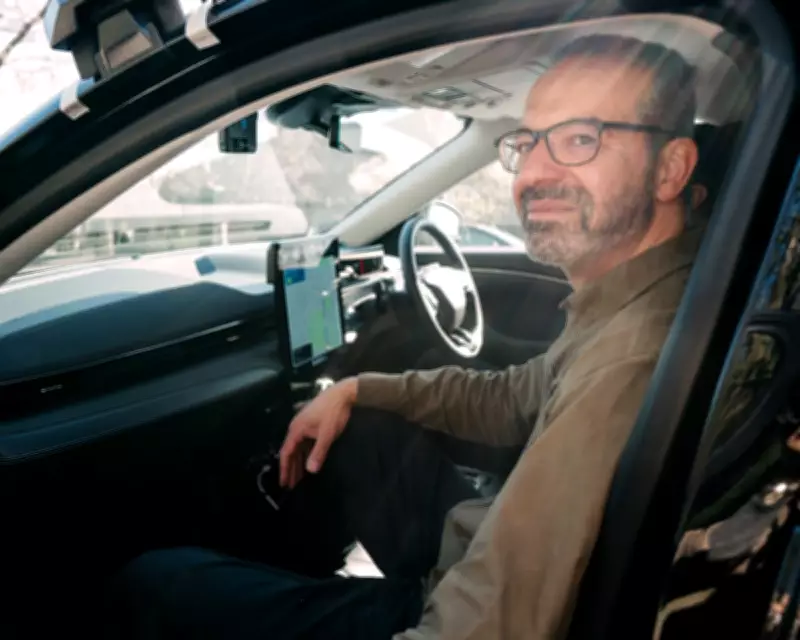
As I settle into the passenger seat of an electric Ford Mustang in King's Cross, London, Alex Kendall, the CEO of Wayve, gets behind the wheel. He does nothing. The car autonomously approaches a busy junction, controlling speed, steering, brakes, and indicators. "It's making decisions as it goes," Kendall explains, as the vehicle executes an unprotected turn, waiting for a gap in traffic. The steering wheel spins by itself, and we pull out smoothly.
The Experience: From Terrifying to Unremarkable
Riding in a self-driving car for the first time feels akin to an initial flight: briefly terrifying, then reassuringly mundane. Within minutes, I'm convinced Wayve outperforms most human drivers—myself included. Londoners will soon judge for themselves, as robotaxis are set to launch in the city by the end of next year, following the 2024 Automated Vehicles Act. Wayve, partnering with Uber, will compete with giants like Waymo and Baidu, potentially transforming London's transport landscape.
Navigating London's Unique Challenges
Robotaxis are already operational in cities like San Francisco and Shanghai, but London poses greater hurdles with its narrow medieval roads, unpredictable pedestrians, errant e-bikers, and frequent roadworks. Kendall notes, "Compared with San Francisco, London has about 20 times more roadworks and 11 times more cyclists and pedestrians." During my test, the car adeptly handles these complexities, slowing for a pedestrian with a walking stick at a zebra crossing and interpreting other road users' body language.

How Wayve's AI Differs
Kendall highlights that Wayve's AI uses an end-to-end neural network, unlike first-generation autonomous vehicles that rely on rule-based systems. "It's got a sense of being able to predict how the world works," he says. The car interprets dynamic scenes, such as understanding when another driver flashes lights to yield. Trained since 2018 across over 500 cities globally, Wayve's technology adapts to new situations like a human driver.
The Broader Autonomous Vehicle Landscape
Wayve isn't alone in London. Waymo operates modified Jaguar i-Paces with Lidar sensors, while Baidu plans to introduce its Apollo Go service. Tesla has showcased driverless Cybercabs but lags in permits. Waymo and Apollo Go dominate globally, with London seen as a gateway to European markets. Technology policy expert Jack Stilgoe suggests Britain could set regulatory standards for this emerging industry.
Impact on Traditional Taxi Drivers
The advent of robotaxes raises concerns for London's black cab drivers, who have faced challenges from Uber and Covid-19. Steve McNamara of the Licensed Taxi Drivers' Association remains unworried, citing the human touch in handling lost property, disabilities, and unpredictable passenger needs. He predicts robotaxis will be more of a tourist attraction than a real competitor, citing potential issues like being "bullied" by pedestrians and inferior route knowledge.
Safety and Public Acceptance
Robotaxis boast impressive safety records, with Waymo reporting fewer injury-causing collisions than human drivers. However, incidents like protests disabling vehicles with traffic cones and power outages causing traffic jams highlight vulnerabilities. Questions about autonomy persist, with remote assistance operators involved in difficult scenarios, sparking cybersecurity and job displacement concerns.
The Future of Urban Transport
Kendall envisions a future where all cars are autonomous, enhancing road safety through better vehicle communication. Yet, he acknowledges that self-driving technology must coexist with public transport, cycling, and walking. As cities reclaim space from cars, the efficiency of robotaxis versus broader transport solutions remains a critical debate for London's evolving streets.