Voice Control: Could It Solve the Biggest Annoyance in Modern Cars?
With drivers increasingly fed up by overcomplicated touchscreens, electric vehicles editor Steve Fowler investigates whether voice control might represent a safer and more straightforward future for in-car technology. The debate centres on whether this innovation can finally address the distractions and frustrations plaguing today's automotive interfaces.
The Touchscreen Dilemma: A Growing Source of Driver Discontent
One of the most common complaints among owners of contemporary vehicles is the excessive reliance on touchscreens. These systems often prove incredibly irritating, as users must navigate through multiple menus just to perform basic functions. More critically, many require drivers to take their eyes off the road for dangerously long periods, compromising safety.
Some models are particularly problematic. For instance, a journey in a Jaecoo highlighted this issue when the car repeatedly beeped warnings for straying too close to motorway white lines. Attempting to disable these alerts via the touchscreen only triggered further beeps for distracted driving, creating a no-win situation that underscores the flawed design.

Real-World Feedback: The Volvo EX30 Experience
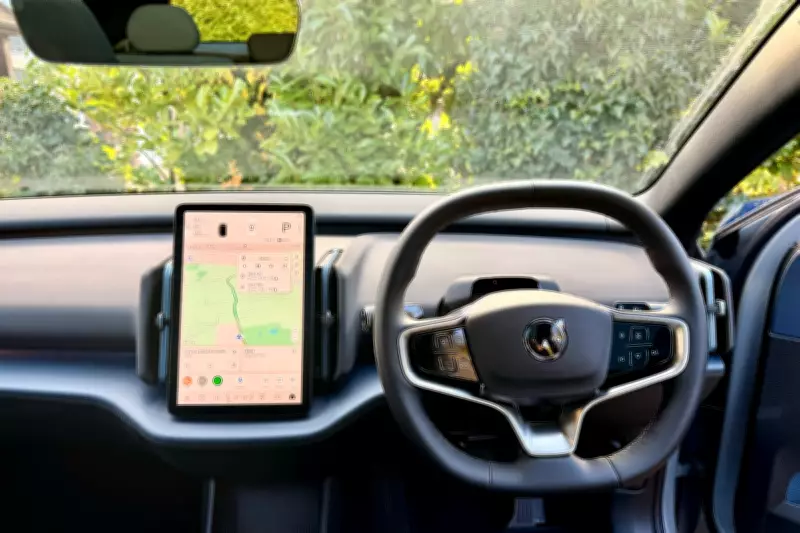
Regular contributor Russell Mead recently shared his frustrations with his new Volvo EX30. He praised the car's build quality and aesthetic appeal but expressed severe buyer's remorse over its ergonomic failures. Volvo has replaced the traditional instrument cluster with a 'distraction monitor' that beeps when the driver looks at the central touchscreen—the very screen needed to check speed, follow navigation, and handle essential tasks.
Russell argues that navigating menus for key driving functions isn't advanced technology; it's poor design. Checking speed shouldn't necessitate a deliberate glance away from the road. By eliminating the driver's display, Volvo hasn't simplified the experience but made it more distracting, a sentiment echoed by many other motorists.
The Push for Physical Buttons: A Partial Solution
Not long ago, a campaign to reintroduce physical buttons gained traction, and some manufacturers have responded positively. Volkswagen, for example, has swapped touch-sensitive pads on steering wheels—which often caused accidental adjustments—for tangible buttons. Newer ID models now include separate heating and ventilation controls along with a proper volume knob, offering a more user-friendly alternative.
Additionally, over-the-air software updates provide a way to improve digital systems, acting as a temporary fix that acknowledges customer dissatisfaction. Several Chinese brands and others are implementing these updates, signalling a recognition that changes are necessary to address user unhappiness.
AI and Voice Control: The Next Technological Leap
However, perhaps the answer lies not in reverting to buttons or enhancing touchscreens but in embracing voice control and artificial intelligence. Russell's Volvo EX30 is among thousands set to receive an over-the-air update integrating Google's Gemini AI assistant. While AI might evoke apprehension for some, experts suggest viewing it as a practical tool to aid drivers, which aligns with Volvo's objectives.
Although not yet tested in a Volvo, similar systems like Grok in Tesla demonstrate impressive technology and seamless integration. These AI assistants, including the latest Alexa+ release, enable more natural conversations with vehicles. They may not always be perfect, but AI learns rapidly, offering potential for refinement.
Practical Applications and Safety Benefits
The real challenge for automakers is effectively integrating these voice systems. Early tests show promising results; for example, asking 'Reno' in the Renault 5 to lower the window or adjust the temperature works smoothly. While it might seem lazy, using voice commands to change settings is arguably safer than diverting attention to press buttons or navigate touchscreens.
It remains uncertain whether systems like Gemini will allow tasks such as switching on fog lights—currently requiring multiple screen taps—but this technological progression feels natural and could alleviate many driver frustrations with modern interfaces.

Reader Engagement and Future Discussions
As the debate continues, reader input is invaluable. Have you used voice control systems at home or in your car? Would you adopt them regularly? Do you prefer touchscreens, or should car manufacturers bring back physical buttons? Share your thoughts in the comments for potential follow-up in future DriveSmart editions.
To stay updated on motoring insights from EV editor Steve Fowler, including expert reviews, practical tips, and industry news, consider signing up for the DriveSmart newsletter. Enter your email at the top of the page or visit the newsletter preference centre to subscribe.