

The Evolution of Backpacker Hostels: From Grungy Dorms to Wellness Havens
Gone are the days when backpackers accepted cramped bunk beds, mouldy bathrooms, and rat-infested kitchens as the norm for budget travel. While some hostels still cling to this gritty tradition, the industry is undergoing a dramatic transformation. Today's youth are no longer willing to endure noisy, overcrowded dorms, leading to a new era where privacy, wellness, and authentic experiences take centre stage.
Shifting Expectations and Industry Changes
The backpacking accommodation sector has evolved significantly in recent years, with guests now demanding higher standards. Paul McGrath, chief executive of YHA Australia, notes that even before the Covid-19 pandemic, travellers were seeking low-cost options without sacrificing comfort. "They weren't prepared to spend $15 to stay in an 18-bed dorm," he explains. Instead of wild parties, modern backpackers prioritise work opportunities and immersive cultural experiences, blurring the lines between hotels and hostels with amenities like private rooms, rooftop bars, pools, and co-working spaces.
This shift is evident globally, with many hostels closing or transforming. In Australia, Sunny's Adelaide Backpackers Hostel shut down after Easter, with owner John Dwyer citing changing preferences towards platforms like Airbnb. "The kids prefer Airbnb. They don't want dorms any more," he told ABC Adelaide radio, adding that younger travellers are perceived as less resilient and adventurous. The number of YHA properties in Australia has halved, leaving just 18 operational, but those remaining have expanded services to include food, drinks, and community-building activities.

Personal Experiences Highlight the Need for Balance
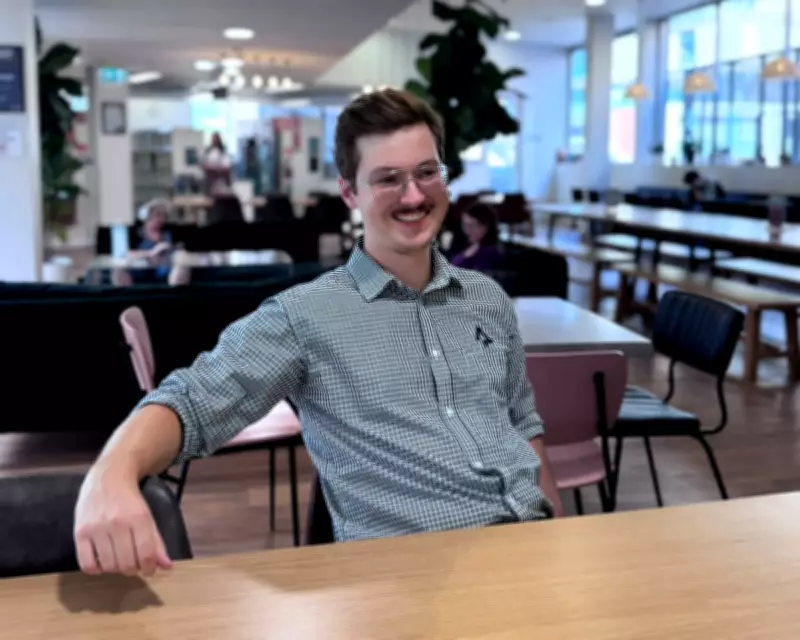
Frazer Graham, a 26-year-old working holidaymaker from Portsmouth, England, experienced the extremes of hostel life firsthand. After arriving in Sydney in 2024, he stayed in multiple hostels, including one with 14 beds, no privacy curtains, and inadequate air conditioning. "That's the horror – 14 alarms in the morning. To hear all the [bag] zips ... I've been to some where they've just crammed in as many beds as they can," he recalls. Graham emphasises that hostels must find a balance, offering both social opportunities and privacy to meet diverse traveller needs.
Now working for YHA Sydney, Graham organises tours, pub crawls, and Aboriginal cultural events, highlighting how hostels can provide reliable standards and local experiences. "When people travel around and they see a set standard, it gives them a bit of relief," he says, underscoring the importance of consistency in an evolving market.
Global Trends and Future Directions
The transformation is not limited to Australia. In England and Wales, YHA sold 20 of its 150 hostels in 2023, reducing available properties to 108 due to factors like the pandemic, inflation, and Brexit's impact on European school trips. New Zealand's YHA closed in 2021 and went into liquidation in 2024. However, McGrath notes that the UK is catching up, with hostels beginning to adapt to modern demands.
New players are entering the market to fill gaps. Tequila Sunrise Hostels offers capsule-style beds with security and soft lighting across six Australian properties, while the Wake Up! chain renovated its Byron Bay location to include a resort-style pool and wellness area. Tourism Australia reports that working holidaymaker visas have rebounded to 376,600 last financial year, surpassing pre-pandemic levels. A new generation seeks extended, immersive experiences, wanting to live like locals and understand Australian culture deeply.
This evolution reflects broader trends in travel, where sustainability, wellness, and authenticity are paramount. As hostels continue to innovate, they redefine budget accommodation for a discerning, experience-driven audience.






