Hospitality Sector Sounds Alarm Over Proposed Tourist Levy
Bed and breakfast proprietors across Devon and Cornwall have issued a stark warning, declaring that Chancellor Rachel Reeves's proposed 'holiday tax' could serve as the 'nail in the coffin' for the regional hospitality industry. They argue the levy risks 'shooting the golden goose' of tourism upon which these coastal communities heavily depend.
Mayors Granted Power to Implement Overnight Stay Charges
The Government is considering granting city mayors and town officials the authority to raise funds through a charge on overnight stays at accommodations including hotels, holiday lets, B&Bs, and guesthouses. This would apply irrespective of the establishment's size or price point. High-profile mayors such as London's Sir Sadiq Khan and Manchester's Andy Burnham could be permitted to implement this 'tourist tax' starting from 2027.
Critically, the levy may also be introduced in regions without directly elected mayors, such as Devon and Cornwall, sparking significant concern among local business owners.

Industry Backlash and Economic Warnings
The UK Hospitality sector has urgently called on the Chancellor to abandon the plans, fearing the additional costs will deter visitors. Estimates suggest a charge of £2 per night could add approximately £100 to the cost of a two-week family holiday.
According to the Confederation of British Industry (CBI), the levy could inflate the cost of UK holidays by a staggering £500 million annually. This projection has prompted a coalition of 200 hospitality leaders, including the prominent seaside resort chain Butlin's, to write a letter of condemnation to Ms Reeves.
Local Business Owners Voice Fears
The proposal has generated particular anxiety among smaller operators in popular tourist destinations like Cornwall and Devon.
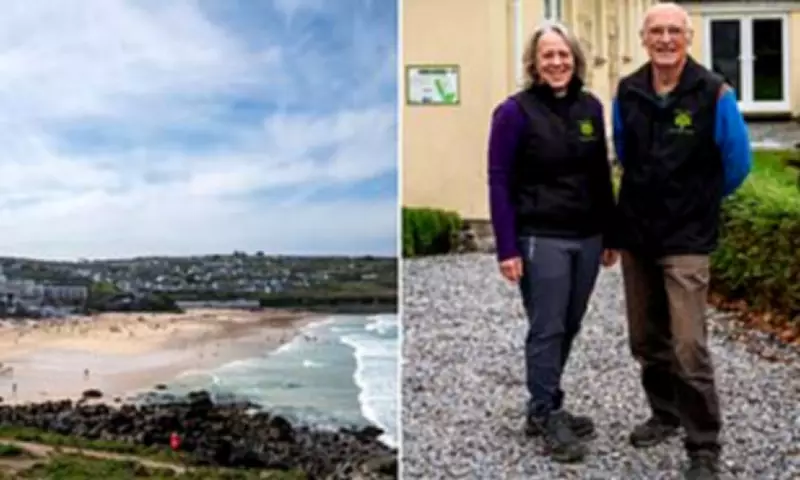
Joby Godolphin, the 49-year-old owner of the B&B 'Storm in a Tea Cup' in St Ives, Cornwall, labelled the holiday tax as 'ridiculous' and asserted it 'should not be happening'.
'Tourism tax is a nail in the coffin because the last thing we need is people feeling like they are being taken the mick,' Mr Godolphin stated. He emphasised that visitors should be able to enjoy Cornwall as a 'free, beautiful place' without extra financial burdens.
'It's ridiculous, the tax shouldn't be happening they should be looking elsewhere. All you are doing is adding more charges to people,' he added. 'All they want to do is come travelling and have a good time. I don't think there should be any tax - it is a visible way to shoot the golden goose.'
Vital Economic Contribution of Tourism
The warnings come against the backdrop of tourism's crucial role in the local economy. Cornwall Council reports that tourism constitutes 15 per cent of the Cornish economy, supporting more than 500 B&Bs. Meanwhile, Visit Devon notes that Devon welcomes 23.4 million tourists each year, a influx that sustains nearly 5,000 local businesses.
Broader Concerns Over Employment and Competitiveness
Alice Jeffries, head of tax policy at the CBI, warned that the fee could exacerbate employment challenges and create tighter profit margins for the industry.
'The Government should be sending a clear message that Britain is open for business and tourist visitors alike - not making it harder for people to spend their time and money here,' she argued.
Existing Precedents and Government Rationale
A tourism levy is already operational in Manchester, where visitors are charged £1 plus VAT per room, per night. A Government spokesperson previously stated that the exact design of a national tourism tax 'has not been decided'. They explained the policy aims to help areas 'benefit from tourism' while providing mayors with additional revenue to 'invest in local priorities', such as transport and infrastructure.
Tourist charges are common in many European destinations, where holidaymakers face 'tourism taxes', 'city levies', or 'eco-fees'. For instance, Amsterdam imposes one of Europe's highest visitor charges, adding 12.5 per cent to hotel room costs.
The Treasury has been approached for further comment on the developing proposals.