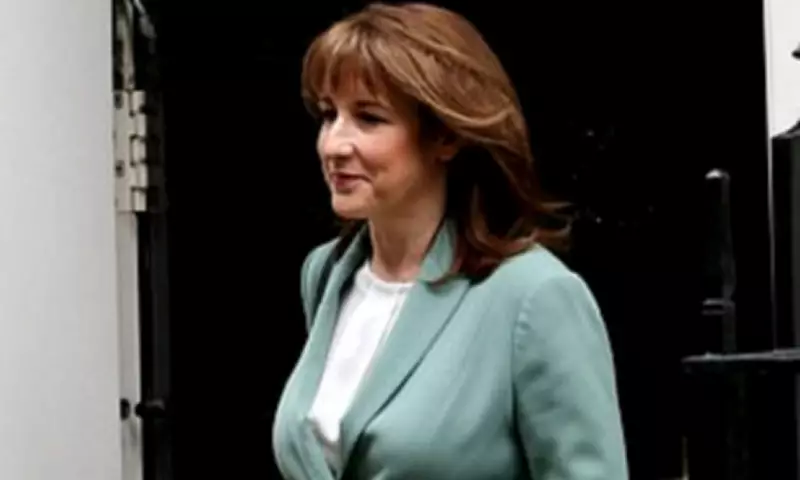
Business Leaders Issue Stark Warning Over Chancellor's Proposed 'Holiday Tax'
Chancellor Rachel Reeves is facing significant backlash from business leaders over her proposed 'holiday tax', with warnings that it could add a staggering £500 million annually to the cost of breaks within the United Kingdom. The controversial levy, which would grant city mayors and local town officials the authority to impose a small fee for overnight stays, is being described as a potential burden on families and a threat to the tourism sector.
Industry Figures Predict Sharp Rise in Family Holiday Costs
According to industry analysis, the much-criticised tourism tax could cause the expense of a standard two-week family holiday in Britain to balloon by an additional £100. This calculation is based on a proposed rate of £2 per person per night, a figure that has sparked widespread concern among hospitality executives. Beyond the direct financial impact, business leaders have reportedly cautioned that the levy could drive inflation higher, restrict vital investment, jeopardise employment opportunities, and introduce further bureaucratic red tape.
UK Hospitality chief executive Allen Simpson voiced the industry's frustration, stating plainly: 'The Government should keep relaxing, not taxing.' His sentiment is echoed by a coalition of 200 hospitality bosses, including the chief executives of Butlin's and Haven, who have already written to Chancellor Reeves to formally criticise the plans.

A 'Tax on UK Families' and Corporate Concerns
Butlin's chief executive, John Hendry Pickup, elaborated on the perceived unfairness of the proposal during a recent television appearance. 'It feels at the moment that it's going to hit the people who can afford it the least, the most, and I don't think that's fair,' he told Good Morning Britain. He characterised the levy as a 'UK tax on UK families going on UK holidays', providing a stark example: a typical Butlin's break outside of peak school holidays costs approximately £49 for a family of four over four nights. With the proposed £2 per night fee, this would translate into a substantial 66 per cent increase on the base cost.
While Hendry Pickup insisted the tax would not render Butlin's business model unsustainable, he stressed it would 'make it extremely difficult for people who are coming to spend time with us outside of school holidays'. The concerns extend beyond leisure travellers to the corporate world. Andrew Clarke, commercial director for the Business Travel Association, revealed that businesses could face additional costs running into hundreds of thousands of pounds annually, potentially forcing them to reconsider budgets and even relocate stays outside city charge zones.
Government Response and European Precedents
A Government spokesman responded to the criticism by noting that 'the final design of the visitor levy has not been decided'. The official statement emphasised the intent to ensure popular tourist areas benefit more directly from tourism, with mayors gaining additional funds to invest in local priorities. The proposal draws inspiration from practices in numerous European destinations, where tourists commonly pay 'tourism taxes', 'city levies', or 'eco-fees' per night. Amsterdam, for instance, imposes one of Europe's highest visitor charges at 12.5 per cent on top of hotel room rates.
However, Hendry Pickup questioned the UK's approach, arguing that the purpose of such levies varies across Europe. 'I think it depends upon what the purpose is in the first place,' he stated, highlighting the need for clarity. The Confederation of British Industry's head of tax policy, Alice Jeffries, added her voice to the dissent, telling The Sun: 'The Government should be sending a clear message that Britain is open for business and tourist visitors alike — not making it harder for people to spend their time and money here.'
As the debate intensifies, the hospitality and business travel sectors continue to press for a reconsideration of the policy, warning of its broad economic repercussions and disproportionate impact on family budgets.