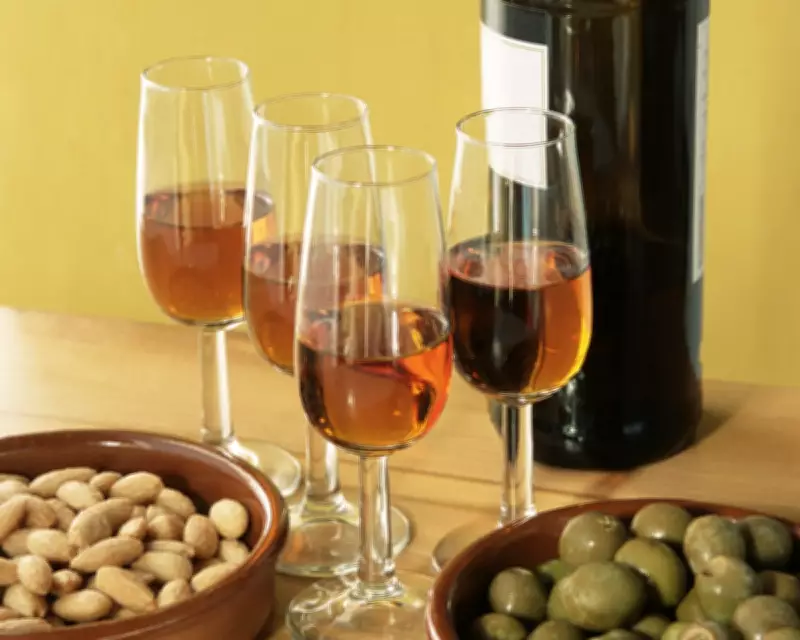
Cream sherry has long been burdened with a stuffy and outdated reputation, often evoking images of grandmothers' favourite tipples from a bygone era. However, it is high time this forgotten taste underwent a modern makeover and was rediscovered by a new generation of drinkers.
The Enduring Image of a Bygone Era
For many, cream sherry conjures memories of post-church gatherings in the 1970s, with bottles of Harveys Bristol Cream gracing drinks cupboards. While other sherry styles like bone-dry fino, manzanilla, oxidative amontillado, oloroso, and sweet pedro ximénez (PX) have gained popularity among younger audiences due to their affordability and complexity, cream sherry remains emblematic of a Little English tradition that seems frozen in time.
A Historical Perspective
Britain served as sherry's largest export market for centuries, with the name "sherry" allegedly stemming from importers' difficulty pronouncing the "J" in Jerez, the Spanish region where these fortified wines originate. Cream sherry was specifically developed to cater to Victorian tastes, with iconic brands like Harveys, named after a Bristol-based wine merchant, emerging in the 1860s. By the early 1970s, Harveys was selling a million cases annually, though sales have since dwindled significantly.

Branding Challenges and Misconceptions
Cream sherry faces a branding dilemma: despite its name, it contains no dairy. The term "cream" refers to its superior taste and mouthfeel, denoting "the cream of sherries." Additionally, labels like Harveys' "solera sherry" may confuse younger consumers unfamiliar with the solera ageing process, where young and older wines are blended to create a consistent product.
Rediscovering the Flavour Profile
Although few drink cream sherry today, its balanced and versatile flavour profile merits attention. A blend of viscous, raisiny PX and aromatic, dry oloroso sherry, it offers a unique combination of sweetness, roasted notes, butteriness, and savoury depth. With varying ABVs, it pairs excellently with cheese, cold cuts (particularly Iberian ones), puddings, and, as mid-century churchgoers enjoyed, as an aperitif. For a modern twist, it can be mixed with tonic for a sweeter She & T or drizzled over vanilla ice-cream for an indulgent adult dessert.
Standout Cream Sherries to Explore
Harveys remains the classic choice, offering figgy, slightly salty, and tart notes. Another exceptional option is Matusalem by Gonzalez Byass, aged for 30 years, which provides a more savoury, complex profile with coffee-like nuances, perfect for mature cheese or dark chocolate.
Four Sherries to (Re)Discover
- Tesco Finest Cream Sherry – £7.75 (37.5cl), 6.8%. A budget-friendly companion for cheeseboards, produced by Gonzalez Byass.
- Sainsbury's Sweet Pale Cream Sherry – £11.25 (1 litre), 17.5%. A lighter style using fino as the base wine, ideal chilled as an aperitif or with creamy desserts.
- Gonzalez Byass VORS Matusalem 30-Year-Old Cream Sherry – £26.50 (37.5cl) at Ocado, 20.5%. Offers molasses and fruitcake flavours, pairing beautifully with stilton.
- Lustau East India Solera Sherry – £14.50 (50cl) at Waitrose, 20%. A blend of 80% oloroso and 20% PX aged separately for 12 years, delivering a complex, savoury, and versatile experience.
In summary, cream sherry's rich history and adaptable flavours make it a worthy contender for modern palates, urging drinkers to look beyond its outdated image and embrace its potential in contemporary settings.