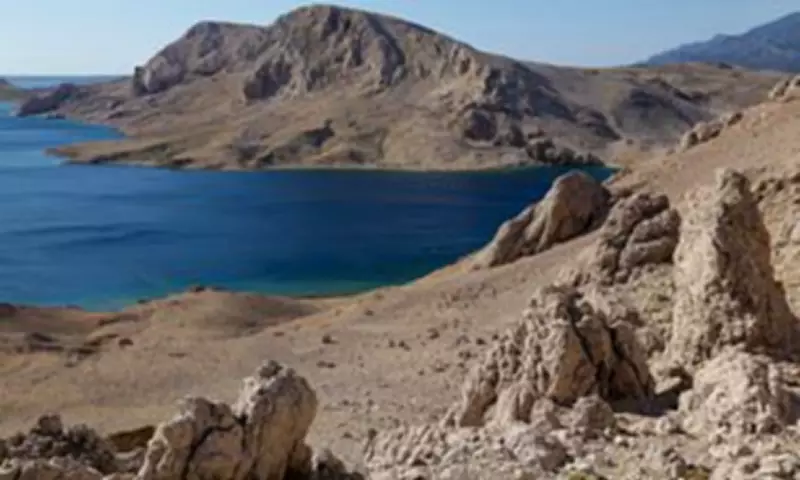
Croatia's Lunar Landscape: Pag Island's Stark Beauty
Croatia is celebrated globally for its verdant greenery, historic medieval towns, and crystal-clear azure waters. However, one island presents a dramatically different narrative. On the northern coast of Pag, the terrain transforms into a pale, rocky, and almost alien environment—a wind-sculpted realm that resembles the lunar surface more than the Mediterranean. Locals have affectionately termed it 'Moon Island,' and the moniker is instantly understandable upon arrival.
The Extraterrestrial Terrain of Pag
The landscape is predominantly composed of chalky limestone, featuring undulating ridges and expansive, sparse fields that stretch for miles. With minimal tree cover and scarce shade across the island, there is little colour to interrupt the extraordinary vista. According to Toni Hrelja, founder of the Croatian rental company Villsy, spring is the optimal season to experience the island's otherworldly atmosphere.
Toni Hrelja remarked: 'Visitors anticipate Croatia to be lush and Mediterranean. Then they land on Pag and feel as though they've touched down on the Moon, or even Mars. It's raw, dramatic, and utterly unexpected.'

During summer, temperatures can soar to 30 degrees Celsius, and with almost no shade along the northern coastline, exploration becomes challenging. Conversely, spring provides milder conditions ideal for hiking and scenic appreciation, with temperatures ranging from approximately 13 degrees in March to 20 degrees in May.
Accessibility and Key Lunar Locations
British travellers can conveniently access Pag due to its proximity to the United Kingdom. The most efficient route involves flying into Zagreb, with one-way Ryanair fares starting from an exceptionally low £15 in mid-April. From Zagreb Airport, renting a car and driving three and a half hours south to the island is recommended, offering opportunities to witness spectacular mountain vistas en route.
One of the most striking regions is Metajna on the northern coast, where Pag earns its lunar nickname. Fierce Bura winds originating from the Velebit mountains have sculpted the land over centuries, depositing salt that eroded vegetation and left behind bare, pale rock. Under bright sunlight, the ground appears almost white, cementing the area's unique 'moon' aesthetic.
Nearby, Beritnica beach presents an equally unusual spectacle, featuring smooth stones instead of sand, with three large boulders resting in shallow waters. Above it lies Stogaj—a sharp, sculpted rock formation that enhances the dramatic setting. Higher up, the plateau surrounding Sveti Vid, the island's highest point, is vast, empty, and treeless, offering panoramic views across pale karst rock, fractured limestone, and open skies.
Intense sunlight renders the limestone chalky and colourless, creating an expansive, open landscape that mirrors the lunar surface. Additionally, the Pag Triangle—a mysterious geometric shape etched into rock near Novalja—adds to the island's surreal ambiance, surrounded by barren stone and wind-swept ridges.
Croatia's Hidden Gems Beyond Pag
Meanwhile, travel experts have highlighted three of Croatia's must-visit hidden gems to evade tourist crowds this summer. According to Joanne Lynn, a travel expert at Riviera Travel, these lesser-known locales are nestled among more frequented hotspots, awaiting discovery.
Joanne Lynn explained: 'A European journey offers numerous chances to delve into fascinating history, explore stunning landscapes, and learn about diverse cultures. Croatia possesses these attributes abundantly and harbours incredible hidden treasures.'
Whether seeking an enriching, history-rich excursion or a refreshing coastal retreat, Croatia boasts many essential destinations for 2025. Often described as Croatia's greenest island, Mljet is a near-otherworldly location teeming with dense pine forests and a breathtaking national park. Hailed as Croatia's 'best-kept secret,' Vis was once closed to tourists for decades, having previously functioned as a Yugoslav military base. Today, it stands as the farthest inhabited island from the Croatian mainland, perfect for travellers desiring an authentic, unspoiled escape.

Unlike many Croatian islands known for rocky shores, Rab features some of the nation's finest sandy beaches. A paradise for beach enthusiasts, Paradise Beach in Lopar is renowned for its shallow, warm waters and family-friendly environment.