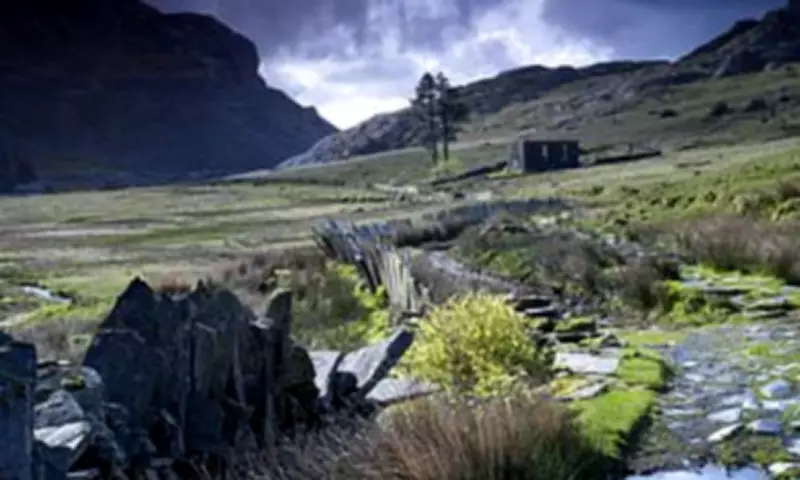
The Ghost Village of Cwmorthin: A Snowdonia Slate Mining Settlement Abandoned Since the 1940s
Nestled within the rugged landscapes of Snowdonia National Park lies the abandoned village of Cwmorthin, a settlement that has remained uninhabited since the 1940s. This historic locale, situated near Tanygrisiau in Gwynedd, traces its origins back to the 11th century, once thriving as a bustling community but now standing as a haunting relic of Wales' industrial past.
The Rise and Fall of a Slate Mining Hub
Cwmorthin was fundamentally shaped by the slate mining industry, with the nearby Cwmorthin Quarry operating from 1810 onwards. This quarry played a pivotal role in boosting the local economy and providing employment for villagers, cementing the area's significance over the decades. In 1860, the quarry became connected to the Ffestiniog Railway, enhancing transport links and facilitating trade, as reported by Travel and Tour World.
However, the village's fortunes took a dramatic turn with the collapse of the slate industry, driven by a decline in demand. As work opportunities dwindled, many locals were forced to depart, leading to Cwmorthin being largely abandoned by the 1940s. Since then, the village has been left to decay into ruins, with the Express recently dubbing it a 'ghost village'. Today, the only humans to traverse this area are curious hikers exploring its desolate beauty.

Exploring the Ruins and Natural Wonders
For outdoor enthusiasts, Cwmorthin offers a captivating destination. A popular walking route spans approximately 9.5 kilometres, guiding visitors through Cwmorthin Quarry, Moelfryn Quarry, and the Llyn Stwlan Circular, providing a scenic journey into the region's industrial heritage. Another beloved spot is the Cwmorthin Waterfall, a tranquil location that offers stunning views and a peaceful respite for travellers.
It is advisable to visit during the spring or summer months when milder and drier weather conditions prevail, with temperatures typically averaging between 17 to 21 degrees Celsius, ideal for hiking. For those travelling by train, the nearest hubs are in Blaenau Ffestiniog and Tanygrisiau, with journeys from London generally taking around six to seven hours.
A Parallel Tale: The Inishkea Islands of Ireland
Across the Irish Sea, a similar story of abandonment unfolds on the Inishkea Islands, located off the rocky coast of County Mayo. These two islands, Inishkea North and Inishkea South, are named after the 5th-century saint, Saint Kea, and are surrounded by the cool, clear waters of the Wild Atlantic Way. Rich in history, they feature well-preserved stone buildings and early Christian sites, set against pristine beaches and unspoiled natural landscapes.
Despite their allure, the Inishkea Islands have no permanent residents today. The last inhabitants departed in the 1930s following the Inishkea Drowning of 1927, a devastating incident where several fishermen lost their lives during a severe storm. This tragedy was a primary reason for locals seeking a less remote life elsewhere. In the 1800s, the islands were home to over 300 residents, highlighting a vibrant past now lost to time.
Both Cwmorthin and the Inishkea Islands serve as poignant reminders of communities shaped by industry and nature, now left as silent witnesses to history, inviting exploration and reflection on their enduring legacies.