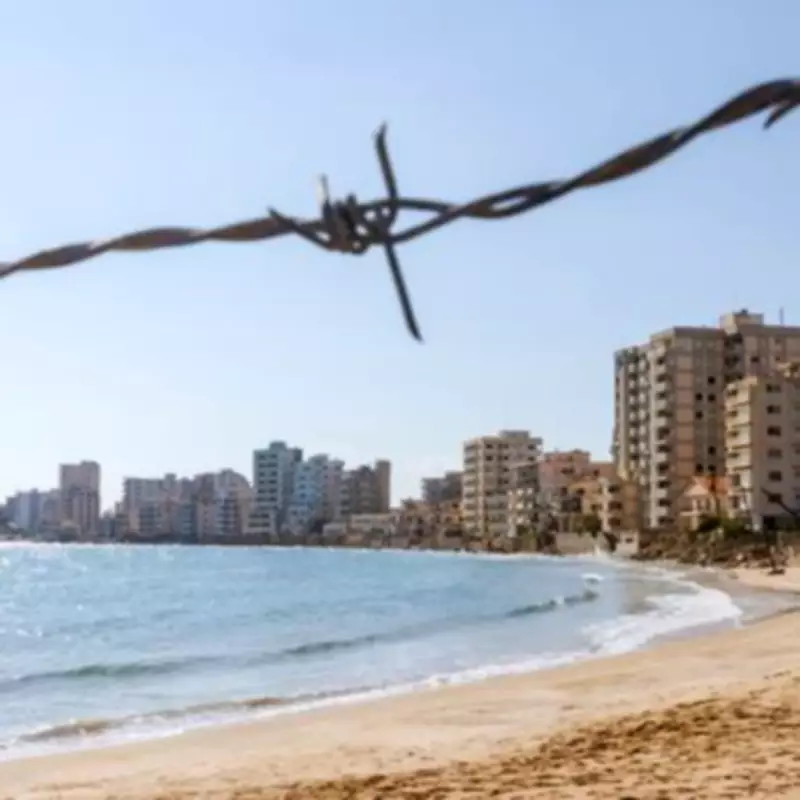
From Hollywood Glamour to Ghostly Ruins: The Transformation of Varosha
Once a glittering playground for Hollywood royalty and international elites, the coastal resort of Varosha in Cyprus now stands as a haunting ghost town, frozen in time since its abrupt abandonment in 1974. However, this very desolation has sparked an unexpected revival, positioning Varosha as a premier destination for the niche but rapidly growing market of dark tourism.
A Sudden Exodus and Decades of Decay
The resort's fate was sealed during the Turkish military intervention in northern Cyprus on July 20, 1974, which followed a coup attempt backed by Greece's junta just days earlier. The invasion compelled approximately 15,000 residents to flee Varosha en masse, leaving behind their homes, businesses, and the area's famed pristine beaches. For decades, the district remained under the control of Northern Cyprus, utterly vacant as nature slowly reclaimed the streets and sea turtles nested on shores once crowded with sunbathers.
The area became a time capsule of the 1970s, with crumbling hotels, overgrown pavements, and derelict buildings creating an eerie, post-apocalyptic landscape. This complete loss of its traditional holiday appeal seemed permanent until a pivotal political decision in October 2020.

Reopening for a New Kind of Visitor
Turkish President Recep Tayyip Erdogan and the then prime minister of Northern Cyprus, Ersin Tatar, jointly decided to reopen Varosha to the public. This move catalyzed a dramatic shift, attracting a fundamentally different tourist demographic than the celebrities and sun-seekers of its 1960s heyday. According to 2024 figures, more than 1.8 million tourists have visited the ghost town over the preceding four years, drawn by its chilling historical significance and visually striking decay.
"The section found itself in the top tourist sites in terms of dark tourism," explained Hubert Faustmann, a professor at the University of Nicosia, in an interview with the Daily Express. "They started to open up certain parts of Varosha, and it's now a tourist destination with guided tours, with e-bikes, vehicles and coffee shops."
Professor Faustmann emphasized the paradoxical nature of Varosha's new lease on life, noting that while it is open to tourists, it remains closed for the return of its original inhabitants. "Varosha is being used as a tourist destination, as a tourist attraction, without a single inhabitant prior to 1974 returning. It's changed in the sense that it's open to the public, but it's not open for return."
The Allure of Dark Tourism and Modern Influence
Dark tourism, defined by travel to sites associated with death, tragedy, or the macabre, is not a new phenomenon but has gained substantial mainstream attention in recent years, partly due to shows like Netflix's Dark Tourist. This series explores bizarre and eerie locations worldwide, helping to normalize and popularize such travel.
Louise Joy, a dark tourism enthusiast and founder of The Morbid Tourist blog, elaborated on the appeal to The Mirror: "Traditionally, dark tourism is visiting places associated with death and tragedy." She personally seeks out "spooky" locations during her travels and highlights the role of social media, particularly TikTok, in boosting the sector's profile. "The individuality on TikTok [helps] people seeing stuff that is different and you don't necessarily see that out there offline, like in books," Joy noted, suggesting the platform exposes unique, offbeat destinations to a vast audience.
Renovation Efforts and International Scrutiny
In a bid to improve accessibility and shed its purely decaying image, authorities have undertaken clean-up operations in Varosha. The town now offers amenities like beach umbrellas, canteens, and coffee shops, catering to the practical needs of visitors while preserving its ghostly ambiance. However, the resort's troubled status remains a point of international diplomatic discussion.

Shortly after the 2024 tourism figures were released, Varosha's situation was addressed at the Parliamentary Assembly of the Council of Europe (PACE) in Oslo. Italian senator and PACE rapporteur Piero Fassino, who visited the ghost town in mid-May, presented his findings, expressing hope that Varosha could eventually be transformed back into a "living town." This underscores the ongoing political complexities surrounding the area, even as it thrives in its unexpected new role.
Today, Varosha stands as a powerful symbol of conflict, abandonment, and resilience. Its journey from a glamorous escape for stars like Elizabeth Taylor to a desolate no-man's-land, and now to a dark tourism hotspot, illustrates a profound transformation driven by history, curiosity, and the enduring human fascination with the poignant and the forgotten.