From Thrilling Destination to Derelict Relic: The Rise and Fall of Frontierland
Theme parks hold a special place in British cultural memory, serving as nostalgic havens where generations have created cherished childhood memories filled with rollercoaster thrills and sugary delights. These amusement destinations experienced particular popularity surges during the 1970s, 1980s, and 1990s, becoming embedded in the nation's leisure landscape. Remarkably, the United Kingdom was once home to one such marvel that operated for nearly a century before meeting a sadder fate.
A Century of Entertainment in Morecambe
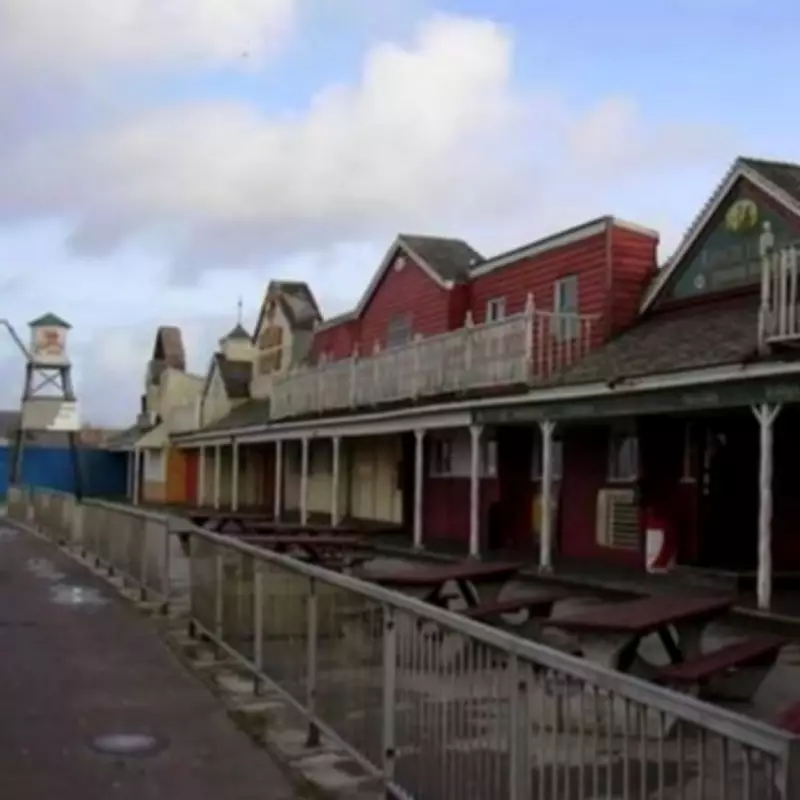
The celebrated amusement park in Morecambe, Lancashire, first welcomed the public in 1906 and quickly became a beloved attraction for both residents and visitors. Operating initially as the West End Amusement Park, then as Fun City, and later as Morecambe Pleasure Park until 1986, the funfair underwent a significant transformation in 1987 when it was relaunched as Frontierland with a Wild West theme. This rebranding aimed to combat dwindling visitor numbers, a challenge faced by numerous theme parks across Britain and globally during that period.
At its peak, the Morecambe funfair was such a sought-after destination that it earned the distinguished title of Britain's first "genuine theme park." The Thompson family, who also own the legendary Blackpool Pleasure Beach, acquired the park in 1936 when it was still known as West End Amusement Park, bringing considerable experience to its operation.

Iconic Rides and Fond Memories
Throughout its operational years, the Morecambe amusement park housed numerous iconic rides and attractions that became embedded in local memory:
- The Rattler rollercoaster
- The timber Cyclone coaster, originally designed by American engineer Harry Traver for the 1937 Paris World Exposition
- A controversial 150-foot Big Wheel that was removed in 1982 following neighbor complaints
- The classic Ghost Train and Wild Mouse attractions
- The Chair-o-Planes and celebrated Sky Ride introduced in 1989
The Sky Ride particularly allowed visitors to soar above the park and out toward the promenade before looping back around, representing another attempt to revitalize declining visitor numbers. Frontierland was genuinely adored by the local community, with many expressing their fondness through social media reminiscences years after its closure.
One sentimental visitor recalled on Facebook: "Loved this Fair, very happy memories. We all had an Annual Pass." Another commented: "Fabulous thanks for sharing. I spent many happy days there on various rides." Meanwhile, a particularly nostalgic visitor shared: "I have dreams of Frontierland still being open. I miss that park so much, it was awesome. I used to go every weekend in my teenage years."
The Gradual Decline and Eventual Closure
The seaside town of Morecambe itself battled declining visitor numbers and waning popularity throughout the late 20th century, and Frontierland suffered the same consequences. There was no dramatic scandal or controversial reason behind the amusement park's closure—the plain truth was that the business simply wasn't performing well enough to survive economically.
Declining footfall forced Frontierland to begin scaling back operations in 1998, after 92 magnificent years of entertaining families. The demolition process was estimated to take approximately three seasons to complete, with the rear section of the park being the first area targeted for removal.
As the new millennium dawned, Frontierland gradually shrank, with rides being sold off and transported to various locations across the globe. By the close of 2000, Frontierland's entrance had been sealed behind construction fencing, and the park remained in this sorry state—abandoned, deteriorating, untouched, and largely forgotten—right through to 2007.

Abandonment and Slow Decay
The much-loved Log Flume water ride sat rotting at the deserted site until 2009, while the Polo Tower famously stood derelict and neglected until 2017. This delay resulted from a 20-year contract that permitted a mobile phone mast to remain at the top of the structure until the agreement expired. The Polo Tower represented the last major investment made at Frontierland, and its fate effectively sealed the park's destiny shortly afterward.
In 2007, the rear section of Frontierland was transformed into three retail units built by Morrisons. These opened in 2008 and have reportedly remained in operation ever since. However, the remainder of the theme park was left to rot, gradually falling apart over the following two decades as the forces of nature slowly reduced it to a wasteland.
Redevelopment Plans and Uncertain Future
In 2021, Lancaster City Council purchased the abandoned site and called on prospective developers to submit proposals for its regeneration. An update published by Lancaster City Council in October 2024 revealed the council was making progress with its development plans, though concrete actions remained limited.
The council's statement explained: "Frontierland has been a vacant eyesore on Morecambe's seafront for over 20 years. For most of this time it was in private ownership and failed to find economically viable redevelopment proposals. The city council acquired the site in 2021 to ensure its future development achieves the best outcome for Morecambe."
The three-hectare (7.5 acre) site represents the largest development opportunity in central Morecambe for many years. Despite 35 developers expressing interest in Frontierland's future, no significant news has emerged for some time, leaving the once-cherished theme park crumbling and deserted—a mere shadow of its former glory that continues to deteriorate with each passing season.