Holy Parades and Earthly Pleasures: Experiencing Easter in Granada
As I rounded a narrow, cobbled street in Granada, I encountered a scene that felt like a mysterious re-enactment. Men in white robes with tall, conical hats covering their faces, women in black dresses and mantillas holding candles and crosses, and children in caped cloaks carrying prayer baskets filled the air with solemnity. This was no mere performance but a deeply rooted Catholic tradition, representing the Passion of Christ during Holy Week, which runs from 29 March to 5 April this year. While Easter processions occur across Spain, Granada hosts one of the most authentic in Andalucía.
The Sombre Spectacle of Holy Week Processions
Unlike celebratory parades, these events are sombre affairs. Thirty-two brotherhoods weave through the streets, carrying enormous floats known as pasos on the shoulders of scores of men called costaleros. These bearers spend months preparing for this herculean task, a coveted role often passed down from father to son. To rehearse, they carry heavy wooden tables through the streets after dark, a startling sight for unsuspecting visitors.
The floats feature larger-than-life figures of a weeping Virgin Mary and Christ on the cross, along with precious icons usually kept in chapels. Hidden underneath by velvet drapes, the costaleros are visible only by their white-soled feet as they inch along. Spectators cheer when difficult manoeuvres are successfully managed, adding to the emotional intensity.

Key Events and Personal Favourites
Palm Sunday marks the start of eight days of processions, with Good Friday being the busiest, featuring six events throughout the city. Having visited many times to improve my Spanish, my personal favourites occur on Maundy Thursday in the Albaicín, the Moorish quarter. At 5pm, the brotherhood of Aurora emerges from San Miguel Bajo church for a seven-hour slow march, accompanied by soulful saetas—flamenco-style religious songs—and a brass band. Then, at midnight, the Cristo del Silencio procession moves in silence, guided by candlelight, with only a muffled drum sound as penitents in black cloaks bear Christ on the cross aloft. I have yet to stay awake until 4am for the finale at Granada cathedral.
Exploring Granada Beyond the Processions
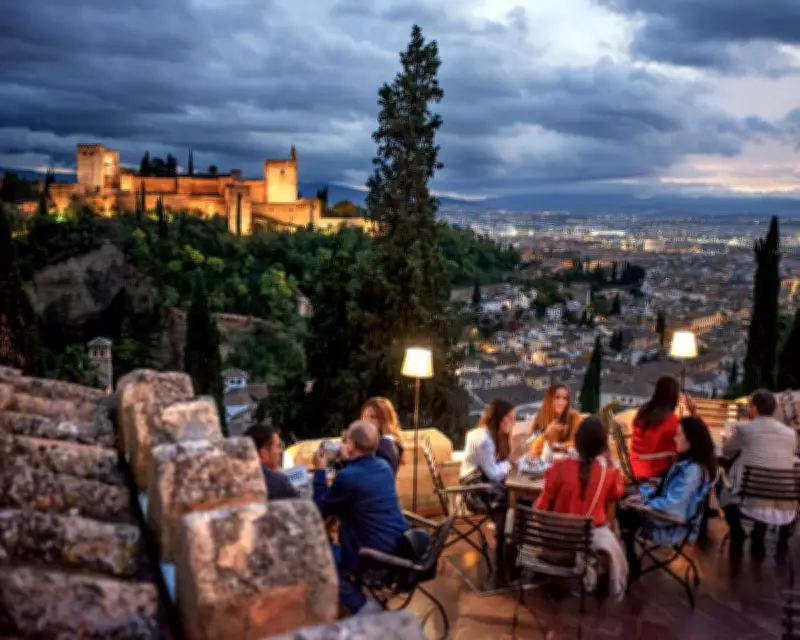
Whether or not you visit for Easter, Granada is a fantastic destination in spring, with warming weather and lively streets. Nestled at the foot of the Sierra Nevada mountains, it offers skiing, cycling, and walking opportunities. As my favourite city in Spain, it boasts elegant architecture, lush gardens, and varied cuisine. I enjoy getting lost in the meandering streets of the Albaicín, then walking down to Plaza Nueva for people-watching, and along the tree-lined boulevard by the Genil River, stopping at the art nouveau restaurant Las Titas. A strenuous walk or easy bus ride up to Sacromonte rewards with magnificent views over the Alhambra, a Unesco world heritage site, and the entire city.
Easter Foods and Culinary Delights
The sociable Spanish dine outside in all weathers, and Easter brings special treats. Almond-based pastries like piononos de Santa Fe—thin, rolled sponge cakes soaked in syrup with toasted cream—and torta real de Motril, made from a 150-year-old recipe of almonds, egg white, and sugar crust, are sold in cafes and bakeries across town. Homemade pastries are available at some convents, marked by Venta de dulces signs. Savoury dishes include potaje de vigilia, a stew of cod, chickpeas, and spinach. Year-round, food is exceptional, with many meat-free options. A highlight is the free tapa with every drink, often generous, and affordable prices at about €3 for wine or beer. Tapas crawls might include La Goma, Bar Poë, and Tocateja.
Restaurants offer great value with menú del día—three courses for about €15 on weekdays—followed by siesta time when shops close from 2pm to 5pm, except in the city centre. For indoor dining, Mezze in Calle Laurel de las Tablas, opened last year by British entrepreneurs and an Argentine chef, serves eastern Mediterranean dishes like aubergine meatballs and stuffed artichokes.

Flamenco and Religious Sites
After dining, flamenco is abundant, with high-standard venues like Jardines de Zoraya, offering optional dinners before shows, and El Tabanco del tio Gregorio for intimate performances. On a religious note, Granada has many ecclesiastical sites worth visiting, often built on former mosques. The Renaissance cathedral houses the lead coffins of Isabella and Ferdinand, who expelled Muslims and Jews in 1492, along with their daughter Joanna the Mad and her husband Philip the Handsome. A short bus ride leads to the Cartuja monastery, a baroque monument with sacred art and a cloister garden of orange trees and aromatic plants.
Practical Tips for Visitors
The Easter Saturday procession starts from the Alhambra, a magnificent backdrop that attracts millions. Book tickets well in advance via tickets.alhambra-patronato.es for €22.27 to avoid scams. It is free to walk through the gardens in the early evening to avoid crowds. Convento de San Gregorio Bético, next to an Arab souk, offers daily noon singing by nuns, evoking nostalgic memories. After a long day, unwind at a hammam like Al Ándalus in Calle Santa Ana, where herbal tea and baths provide relaxation, continuing an ancient custom kept alive by granadinos.