

La Palma's Sustainable Tourism Model: Preserving Nature and Community
The often-overlooked Canary Island of La Palma is demonstrating how tourism can flourish without compromising natural beauty or community life. As a UNESCO Biosphere Reserve, this volcanic island offers a compelling blueprint for responsible travel that celebrates local rhythms rather than disrupting them.
A Natural Sanctuary of Diverse Landscapes
La Palma emerged from the Atlantic Ocean approximately 1.7 million years ago, making it one of the youngest Canary Islands. The island features some of the planet's steepest terrain, creating dramatically varied habitats ranging from misty laurel forests to arid lava fields. These subtropical forests, where giant prehistoric ferns brush against visitors' ankles and towering laurels cling to 80-meter cliffs, create an environment unlike any other in the archipelago.
Having witnessed neighboring islands struggle with overtourism, La Palma has consciously chosen a different path. The island's approach focuses on strengthening community life while protecting its extraordinary natural assets. This commitment to preservation extends from forest canopies to volcanic landscapes, creating a destination where tourism adapts to the environment rather than consuming it.

Community Markets and Local Rhythms
The authentic pulse of La Palma is most evident in Santa Cruz de la Palma's central market, housed within a charming 19th-century building. Here, whitewashed walls and glass skylights frame vibrant displays of locally-sourced produce. Pyramids of papayas and prickly pears sit alongside baskets of almonds and the island's distinctive pimienta palmera chili peppers, essential for traditional mojo picón sauce.
"Local food is very important for the island to be strong," explains one stallholder, reflecting the community's commitment to agricultural self-sufficiency. Surprisingly, La Palma's economy relies more on agriculture than tourism, with bananas representing a significant portion of production. However, concerns about water usage and chemical inputs have prompted calls for greater crop diversity and climate-appropriate farming practices.
Culinary Traditions and Volcanic Terroir
La Palma's dramatic landscape directly influences its culinary traditions. At Restaurante San Andrés, visitors can experience queso palmero drizzled with garlicky mojo verde sauce, followed by grilled alfonsino fish with papas arrugadas potatoes boiled in seawater. The meal concludes with bienmesabe, a rich almond dessert that provides "fuel for tackling La Palma's steep hills," according to local guide Rafael Martínez.
The island's volcanic soil also supports distinctive wine production. At Bodega Carballo, one of approximately twenty family-run bodegas, vines creep low to the ground to absorb warmth from volcanic earth, protected by traditional stone windbreaks called cadenas. The resulting Malvasía wine offers crisp, aromatic notes with a subtle mineral edge that speaks directly to the island's geological character.
Balancing Tourism with Preservation
As direct flights from the UK increase and cruise ships dock at Santa Cruz de la Palma, concerns about maintaining the island's character have emerged. "For two days? It would not be ecological – it would be destructive," Martínez responds when asked about weekend tourism. Instead, he advocates for agritourism that weaves visitor experiences into the community fabric while supporting local agriculture.
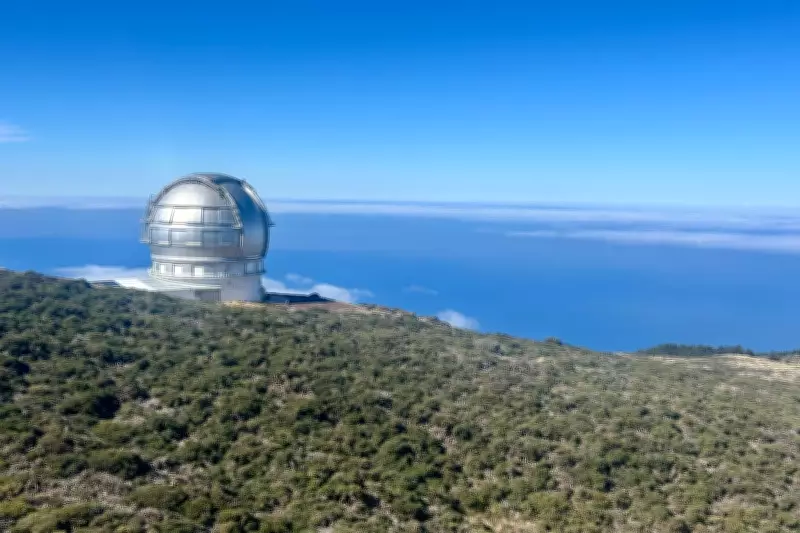
This balanced approach extends to La Palma's remarkable night skies. With strict light-pollution regulations, the island has earned UNESCO Starlight Reserve status, creating a sanctuary for stargazers. At viewpoints like Mirador Astronómico Llano del Jable, visitors can observe Saturn's rings, the Andromeda galaxy, and distant nebulae through some of Earth's clearest atmospheric conditions.

A Blueprint for Responsible Tourism
La Palma's tourism model demonstrates that protecting natural assets and celebrating everyday life can create a more sustainable visitor experience. From ancient Benahoarita rock carvings to contemporary astronomical observatories, the island maintains a connection to both its history and its environment. "We have a special life because our natural rhythm is slower," Martínez observes, highlighting how this unhurried pace welcomes visitors willing to adapt to local patterns rather than imposing external expectations.
By prioritizing agricultural diversity, dark sky preservation, and community-based tourism, La Palma offers a compelling alternative to conventional mass tourism. This approach protects what makes the island extraordinary while ensuring tourism benefits rather than burdens local residents, providing valuable lessons for destinations worldwide seeking to balance visitor numbers with environmental and cultural preservation.





