London's Nightlife Crisis: Iconic Clubs Close as Costs Soar and Habits Shift
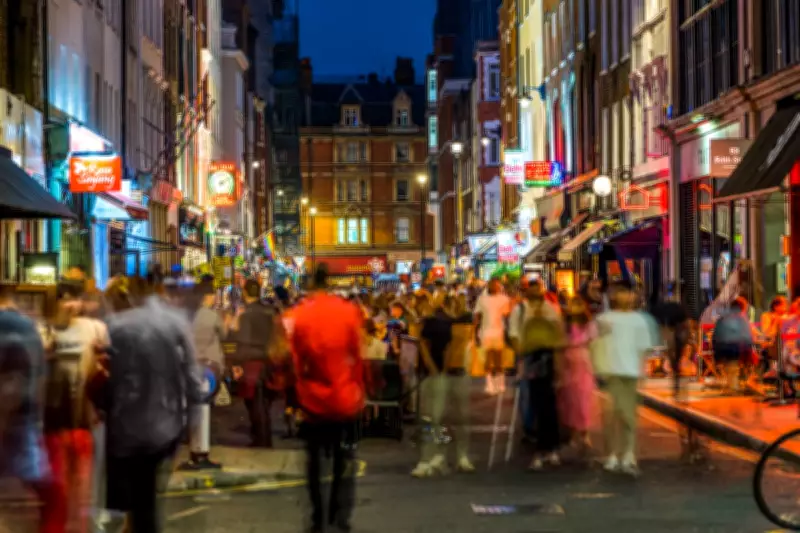
London's iconic nightclub scene is grappling with an existential crisis, as dwindling demand for late-night drinking and soaring operational costs force venues to radically reinvent themselves to survive. The era of simply offering after-hours alcohol is fading, with younger generations of partygoers now seeking immersive experiences that extend beyond the bar, prompting clubs to embrace daytime events, culinary offerings, and diverse live acts.
Economic Pressures and Declining Venues
Despite the UK's nightlife sector generating an estimated £154 billion in spending last year, according to data firm CGA's Night Time Economy Market Monitor, the industry has been in a prolonged struggle. A confluence of factors, including evolving social habits, the profound impact of the Covid-19 pandemic, steep increases in running costs, stricter licensing regulations, and the rising cost of living for consumers, has taken a significant toll. The number of late-night venues saw a 4.1 per cent decline in 2025 and now stands 28 per cent below pre-pandemic levels, even accounting for new openings, CGA data reveals.
Shift Towards Experience-Led Nights
Alex Guiste, a 27-year-old social media manager and regular club-goer, observes that many clubs feel stagnant if they fail to adapt to the growing appetite for experience-led nights, such as dedicated DJ events and live performances. "People are going out for the music and the experience, no longer just to drink until late," he explained. "Clubbing feels less routine now and more like something people savour."

Costs Rise as Spending Falls
Even with queues snaking outside popular central London venues, club operators report that survival has become increasingly precarious. Alice Hoffmann-Fuller, who works with venues and promoters, highlights that many clubs' traditional business models were heavily reliant on alcohol sales. However, surveys indicate that approximately 39 per cent of 18- to 24-year-olds do not consume alcohol.
This shift was starkly illustrated by the closure of Corsica Studios, a renowned electronic music venue nestled under railway arches in south London, at the end of March. After more than two decades at the heart of the city's clubbing landscape, its programming manager, Matt Wickings, told Reuters ahead of the closure: "We're as busy as ever, if not busier." Yet, he lamented, "bar takings were as low as they had ever been, while costs continued to rise." Where the club once generated £10,000 or £12,000 a night, it was recently bringing in only £6,000 to £7,000. The venue announced last September that it could no longer operate in its existing form and guarantee its long-term future on the site. Corsica Studios is expected to reopen eventually, though its future offerings remain uncertain.
Earlier Nights and Different Habits
Despite these challenges, industry figures maintain that Britain's nights out are far from over; they are simply transforming, occurring at different times, in new locations, and to a different rhythm. Several large venues have opened or expanded across London in the past two years, betting that clubbers will still flock to them, provided their evolving demands are met.
"Nightlife is evolving, and it always has," commented Kate Nicholls, chair of industry body UKHospitality. While drinking habits have moderated, Nicholls notes that the desire for socialising remains robust across all age groups, with many prioritising unique experiences over traditional late-night drinking.
As Guiste concludes, "It's not that people have stopped going out. It's that the old club model doesn't feel special anymore."