Mexico's Travel Landscape Shifts as Violence Escalates
Simon Calder, a seasoned travel correspondent, has witnessed Mexico's evolution over decades, but recent events have dramatically altered the travel advisory map. The Foreign, Commonwealth & Development Office (FCDO) has updated its guidance, spreading amber warnings across vast regions of this expansive nation. Amber indicates areas where only essential travel is advised, a designation that typically voids standard insurance policies, leaving tourists vulnerable without specialized coverage.
Escalating Violence and Its Impact on Tourism
The patchwork of amber now blankets dangerous territories, including a 600-mile stretch from Ciudad Juarez on the US border to the Pacific coast. Overnight, cartographers replaced green zones—denoting acceptable risk—around Guadalajara, a World Cup host city, and the mega-resort Puerto Vallarta with amber. This shift means that for mainland Mexico, excluding the Baja Peninsula, more of the Pacific shoreline is now off-limits than accessible.
The Foreign Office notes, "Drug-related violence in Mexico has increased over recent years," adding that high crime rates in some areas stem from clashes between rival organised crime gangs. Travelers risk being caught in crossfire or mistaken for gang members. Violence surged after Sunday, when Nemesio Oseguera Cervantes, leader of the Jalisco New Generation Cartel (CJNG), was killed in a military operation. Armed gangs swiftly retaliated, coordinating attacks nationwide, particularly in Jalisco state, home to Puerto Vallarta and Guadalajara.

Sandra Pellegrini, a senior analyst for Latin America at the conflict monitoring group Acled, warns, "Past cases suggest leadership removals rarely reduce violence long term, and instead often trigger instability as factions compete for power." This instability could further complicate travel plans, making vigilance paramount for visitors.
Safe Havens Amid the Turmoil
Despite these challenges, Mexico's immense scale, beauty, and diversity continue to reward intrepid travelers. The people remain overwhelmingly friendly and welcoming. Here are some destinations that offer safer alternatives:
- Chihuahua and the Copper Canyon Railway: Nestled within a no-go area the size of the UK and Ireland combined, Chihuahua city is considered safe. Explore its historic centre, indulge in local cuisine at the market, and board the El Chepe train. This route traverses the Barrancas del Cobre (Copper Canyon), offering over 400 miles of breathtaking scenery en route to the Pacific city of Los Mochis, also deemed secure.
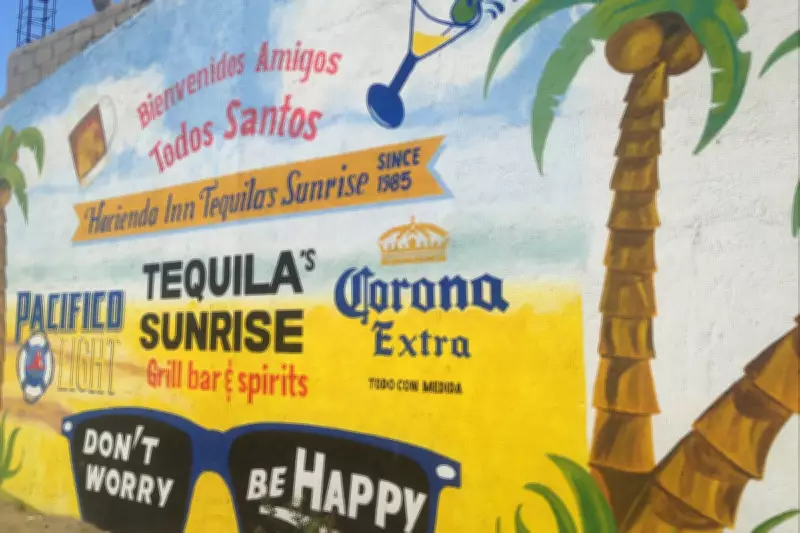
- Baja California Sur: While Tijuana is off-limits, the Baja Peninsula's southern tip enjoys natural protection from cartels due to its single, easily monitored highway. Discover the authentic Mexican charm of San Jose del Cabo and La Paz, or experience American exuberance in Cabo San Lucas and the hippie haven of Todos Santos, where wellness and spirituality converge.
- Puebla and Cholula: Despite a devastating earthquake in 1999, Puebla remains one of the Americas' most beautiful colonial cities, showcasing gracefully aging architecture. Visit Mexico's tallest cathedral and the esteemed Museo Amparo. A short bus ride leads to Cholula, home to an ancient pyramid and exquisite churches like Santa Maria Tonanitzintla, offering a peaceful retreat from Mexico City.
- Uxmal: In the Yucatan peninsula, Uxmal stands out among Mayan ruins. Unlike crowded sites like Chichen Itza, it features a daunting pyramid, a pre-Catholic convent, and an archaic civic centre, reminding visitors of humanity's enduring similarities across eras.
The Decline of Acapulco
Acapulco, once a premier tourist draw in Latin America, has fallen from grace. Located less than five hours from Mexico City, it hosted millions, including an Abta Travel Convention marred by gastric illness. While cliff divers still perform, both the UK and US now advise against travel due to extreme violence, highlighting its stark transformation from hotspot to hazard zone.

In summary, while Mexico faces significant security challenges, careful planning can unlock its rich cultural and natural treasures. Always consult the latest Foreign Office advice and secure appropriate insurance before embarking on your journey.