Pub Landlords Implement Child Bans Amid Safety Incidents and Financial Pressures
In bustling pubs filled with adults enjoying drinks, the presence of unruly and unsupervised children has become a significant concern for many landlords. The chaos that youngsters can bring has prompted a growing number of pub owners to implement outright bans on children, citing safety risks, financial viability, and the overall atmosphere of their establishments.
Safety Concerns Drive Strict Policies
Egil Johansen, who operates the Kenton Arms in Hackney, east London, has experienced numerous incidents involving children running amok in his pub. He recounted how youngsters have crashed into staff members carrying trays of drinks, and in one particularly alarming case, a three-year-old boy fell down the cellar hatch while his parents were drinking in another area of the pub.
'In every case, the parents blame us when something goes wrong or get really angry when we ask them to control their children,' Johansen told The Guardian. 'But I'm legally obliged to keep children safe on my premises and if the parents let their children run riot, the only answer is to not allow them in at all.'

Initially, Johansen banned children after 5pm, but he has since extended this to a complete prohibition. The landlord of 17 years admits the ban brings him no joy, but he felt compelled by safety reasons, leaving him with 'no choice'.
Financial Considerations and Behavioral Issues
Other pub owners have implemented similar bans for financial reasons. Mandy Keefe, who runs the Wheel Inn in Ashford, revealed that having a third of her pub occupied by children eating discounted meals without alcohol purchases on busy Sunday afternoons was not 'financially viable'. While behavioral issues were also a factor, the economic pressure was a primary concern.
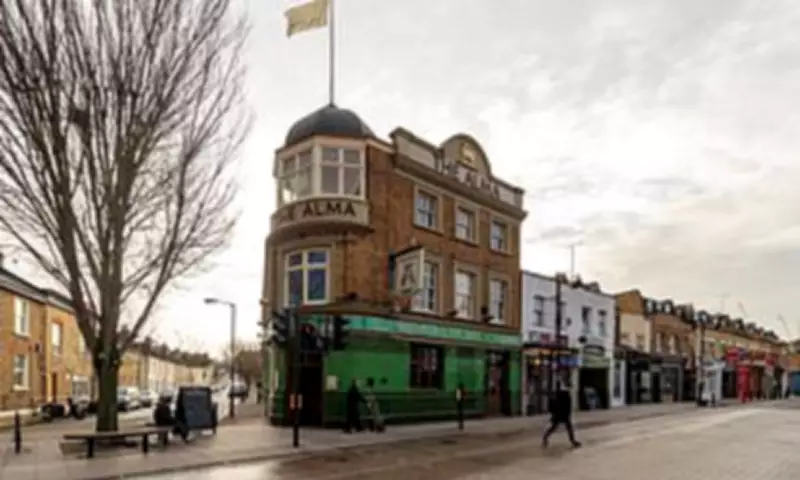
Stephen Boyd, landlord of the Alma in south London, shared similar experiences. 'When I took over the pub, we wanted to attract young families but it turned out that we didn’t realise what it was we were getting ourselves into,' he explained.
Boyd found that parents of young children often requested meal modifications or detailed ingredient discussions, consuming more staff time than full-paying adult customers. Additionally, disruptive behaviors like table banging, running, and screaming negatively impacted 'the whole atmosphere of the pub'.
Positive Outcomes and Community Backlash
Despite initial intentions to be family-friendly, Boyd decided to implement a complete child ban. He emphasizes that not every family caused problems, but enough incidents occurred to justify the policy change. Since implementing the ban, Boyd has seen takings double and staff retention improve, though he acknowledges receiving significant online backlash, much of it from people who had never visited his establishment.
Structured Approaches to Child Policies
Other pubs have adopted more nuanced approaches. The William The Fourth in Leyton, east London, announced in November that it would ban children after 6pm following customer feedback that the pub was beginning to resemble 'a creche'.
The pub's statement explained: 'We want The William the Fourth to be welcoming to everyone, but there have been occasions where the pub has resembled a creche. Unsupervised children can pose risks not only to themselves but also to other customers and our team.'
The establishment maintains family-friendly hours during the day with specific rules:
- Children must remain seated with parents or guardians at all times
- No running, climbing, or playing inside the pub
- Buggies and prams must be folded and stored safely
Interestingly, the pub appears to have adjusted its policy since the original announcement, with its website now stating 'Children are welcome until 7pm'.

A Growing Trend in the Hospitality Industry
This movement represents a significant shift in pub culture, with landlords balancing their desire to welcome all customers against practical concerns about safety, finances, and atmosphere. While some establishments maintain daytime family hours with strict supervision rules, others have opted for complete bans to address what they see as fundamental business challenges.
The trend highlights broader questions about public space usage, parental responsibility, and how businesses navigate the competing demands of different customer groups in today's hospitality landscape.