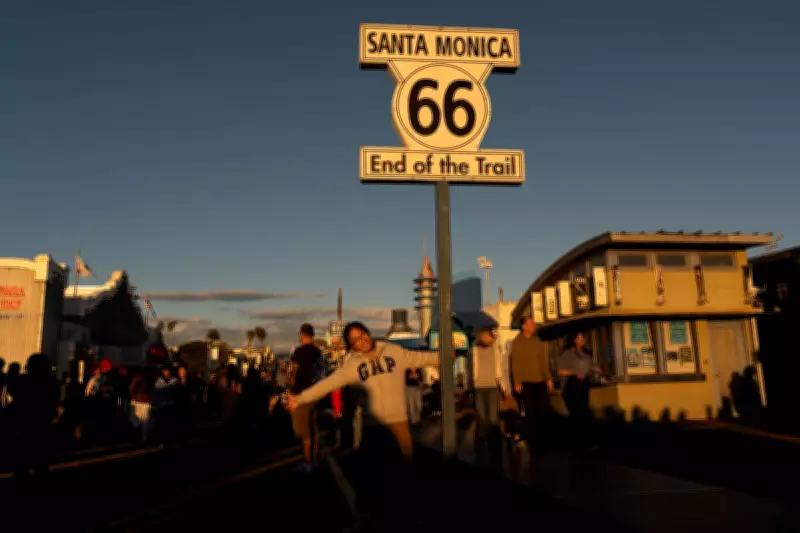
Route 66, the legendary American highway that spans approximately 2,400 miles from Chicago, Illinois, to Santa Monica, California, is commemorating its 100th anniversary this year. Designated in 1926, this iconic route was established to connect the industrial Midwest with the Pacific Coast, serving as a vital artery for commerce and a beacon of hope for migrants during challenging periods such as the Dust Bowl and World War II.
The Rise and Cultural Impact of Route 66
In the post-war era, Route 66 reached the height of its popularity, evolving into a beloved vacation corridor. It became famous for its vibrant roadside culture, featuring thriving diners, motels, and unique attractions that captured the imagination of travellers. The highway's influence extended into popular culture, where it was immortalised in songs, films, and literature, cementing its status as a symbol of American adventure and freedom.
A Complex Historical Legacy
However, Route 66 carries a multifaceted legacy. On one hand, it brought economic opportunities to various communities, including Native American tribes along its path. On the other hand, it left scars through practices like eminent domain, which disrupted tribal lands, and perpetuated stereotypes that have had lasting effects. This duality highlights the highway's role in both fostering growth and contributing to social challenges.

Preservation Efforts and Modern Appeal
Despite being decommissioned as a federal highway in 1985, Route 66 has not faded into obscurity. Local governments and private businesses have actively worked to preserve sections of the route, maintaining its cultural significance and allure for travellers from around the globe. Today, it remains a quintessential road trip destination, celebrated for its blend of kitsch and history, attracting enthusiasts eager to experience a piece of American heritage.
As Route 66 turns 100, it continues to inspire journeys and reflections on its enduring impact on the American landscape and identity.