Capturing Scotland's Ski Resorts: A Winter Beyond the Olympics
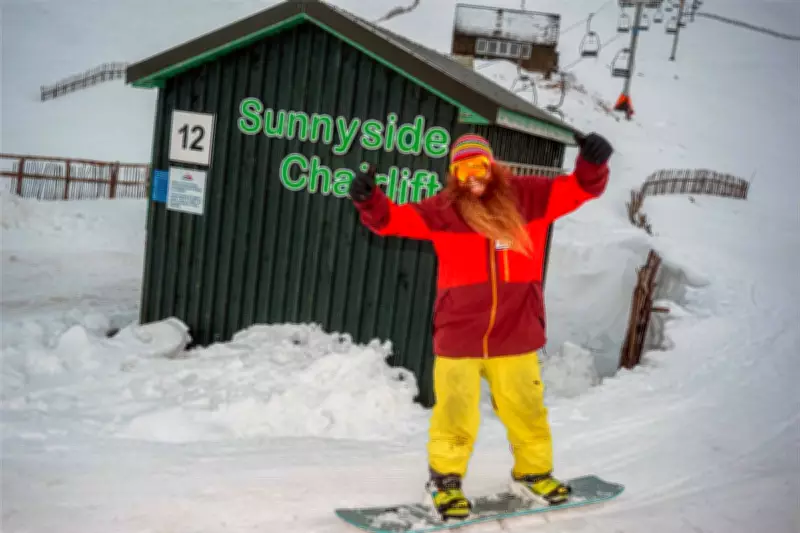
At the Sunnyside chairlift in Glenshee, confidence rises faster than the lift itself. While the Milano Cortina Winter Olympics dominated global screens, photographer Dougie Wallace turned his lens to Scotland's ski areas—Glenshee, Cairngorm Mountain, Glencoe, and Nevis Range. Here, a thaw, a band of rain, or a sudden gust can transform everything in an instant.
The Unpredictable Beauty of Scottish Slopes
When snow arrives in Scotland, car parks quickly fill as word spreads of a good week or a belter of snow. By mid-morning, access roads are tight with hatchbacks, hire skis, and cautious optimism. The difference between a strong season and a poor one often hinges on a weather front drifting just ten miles too far north. Conditions can shift within minutes, with clear skies being rare; over seven days of shooting, Wallace experienced only two blue-sky days. Flat light is common, and the cold on the mountains is bracing, toughening up those who brave it.
Sleeping in a camper van at the base presented challenges, including blizzards one night. Good days are shortlived, but the resilience of visitors is palpable. Skiing is only part of the experience now, as visitor numbers often swell beyond those clipping into bindings. During Covid lockdowns, some of the best snow in years lay untouched under blue skies, with frustration hanging in the air over a perfect season that remained out of reach.

Infrastructure and Community Under Pressure
At altitude in Glenshee, lunch breaks see gloves off, helmets on, and cafes open—briefly transforming the area into the Scottish Alps. There is no glamour here, no polished Alpine certainty, just tired legs and small private victories. Cafes become checkpoints, queues enforce discipline, and infrastructure strains under a good weekend. Car parks max out, weather warnings flash, and yet, when snow falls, people return.
Under green signage for tickets and hire, skiers assemble in mismatched armour. The project came together practically after Wallace's self-built camper van passed its MOT and headed north towards the hills as the Games began. Designed for life on the road with his dog Flash, an Irish setter x poodle mix, this became their first project together. The van-build and adaptation to mobile living came first, with pictures following over seven days shaped by weather, movement, and the slow rhythm of winter travel.
Heritage and Modernity in the Highlands
The Glenshee snowsports centre, Scotland's largest ski area, spans the wide high-level Cairnwell pass between Deeside and Perthshire, with a base altitude of 650 metres and top altitude of 1,060 metres. Gaelic, once the everyday tongue of the Highlands and Islands, now lingers in placenames and voices, a reminder of a culture thinned after Culloden. Today, only a small minority speak it fluently, but it breathes in the hills and weather.
Modern signs reflect the Scottish government's Gaelic Language Act, which grants the language official recognition and equal respect with English. This deliberate inclusion reminds travellers they are moving through a land older than the motorway, blending heritage with contemporary tourism.
From Military Training to Mountain Mastery
Wallace's background includes service in the Argyll and Sutherland Highlanders, where he learned to ski on Exercise Snow Queen in Bavaria as part of winter training. After leaving the army, he studied outdoor pursuits, training as a ski leader and in managing outdoor education centres. This diverse experience informs his perspective on Scotland's slopes, where patience is taught one metre at a time amid four weathers in a single day. Locals say if you can ski in Scotland, you can ski anywhere.
Resort Profiles: Elemental Challenges and Global Appeal
Cairngorm Mountain, above Aviemore in the central Highlands, sits within Britain's largest national park. Known for its high, exposed plateau, sudden whiteouts, flat light, and some of the UK's coldest conditions, it features a base altitude of 635 metres and top altitude of 1,245 metres. Glencoe, in the west Highlands, is set among steep volcanic terrain near Rannoch Moor, with raw, exposed slopes and strong winds. Its base altitude is 300 metres, topping out at 1,108 metres, and it is often regarded as Scotland's most elemental ski area.

Nevis Range, on the slopes of Aonach Mòr near Fort William, is influenced by Atlantic weather systems bringing cloud, wind, and rapid changes. Its gondola rises from forest to open mountain, accessing harsh terrain with a base altitude of 100 metres and top ski altitude of 1,220 metres. Snow tourism has grown steadily, with visitors from warmer countries like India and China travelling north to experience snow for the first time. Resorts now cater to organised coach trips and families seeking photographs and sledging rather than skiing alone.
The Rise of Sledging and Grassroots Olympics
Skiing is increasingly complemented by sledging, with Glencoe recording about 10,000 skiers per season but over 30,000 visitors coming simply to sledge. A hundred metres of machine-made snow and a magic carpet can carry as much expectation as a full mountain, with Glencoe even having a snow-making factory dedicated to sledging. This shift reflects a broader trend where visitor numbers often swell beyond those on skis, with laughter cutting through cold air as phones capture memories mid-descent.
The national development programme for winter sports begins in red plastic sledges, with Olympic podiums built quietly from grassroots efforts. Sledges must be returned to cafes, and success is measured in hundredths of a second, starting at the top of the slope. Irn-Bru, Scotland's fluorescent orange national drink after whisky, serves as functional recovery, consumed across generations with unofficial hangover protocol.
Conclusion: A Winter World Defined by Resilience
The day ends where it began, in frozen car parks with temporary victories packed into boots. Engines start, heaters rise, and winter is left behind in tyre tracks and melting snow. Through Wallace's lens, Scotland's ski resorts emerge as places of raw beauty, community spirit, and adaptability, offering a stark contrast to the polished arenas of the Winter Olympics. This is a world where gravity wins early, balance is negotiated by falling, and global winter arrives on a Scottish hill, documented through weather, movement, and the enduring pull of the slopes.