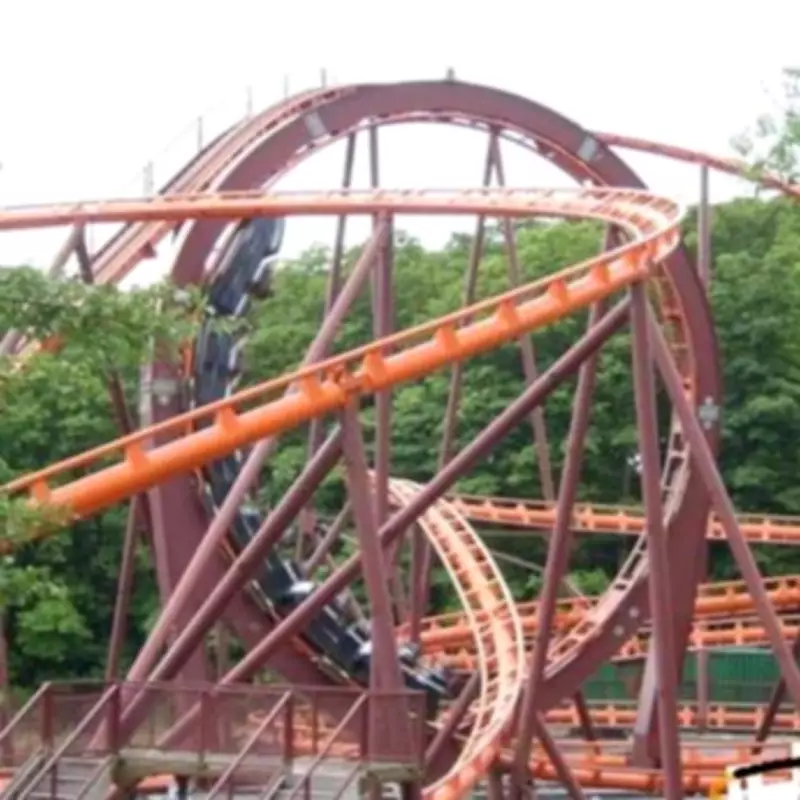
Loudoun Castle Theme Park, a beloved Scottish family destination that operated for 15 years, has permanently closed its gates, ending an era of joy for thousands of visitors. Located near Galston in Ayrshire, the park opened in 1995 following a £2.5 million investment in the historic Loudoun Castle estate, quickly becoming a celebrated spot for families across Scotland and northern England.
A Thriving Attraction with Rich Offerings
At its peak, the theme park featured over 20 rides and attractions, including rollercoasters like Twist 'n' Shout and Nemesis, water rides such as log flumes, and family-friendly areas like McDougall's Farm petting farm. The park's mascot, Rory the Lion, added to its charm, set against the stunning backdrop of a 19th-century castle and sprawling grounds.
Visitor Numbers and Decline
During its golden era, Loudoun Castle drew approximately 170,000 to 200,000 visitors each year, with a notable peak of around 250,000 in 1997. However, by the late 2000s, visitor numbers began to decline as competition from larger UK theme parks intensified. Operational costs mounted, and the owners struggled to secure long-term investment for modernisation, leading to financial unviability.

Permanent Closure and Current State
After the 2010 season, the park closed permanently, with the site now privately owned and housing residents. Photos shared online once showed rusting rollercoaster tracks and overgrown pathways, but today, the rides and attractions have been entirely removed, leaving the land quiet and repurposed.
Historical Context of the Estate
The Loudoun estate has a turbulent history, traditionally the seat of the Campbell family, the Earls of Loudoun. During World War II, the castle housed evacuated children and military personnel. The current structure, built in the early 1800s by architect Archibald Elliot, was badly damaged by fire in 1942, and its ruins remain nearby as a Category A listed building, restricting redevelopment plans.
Failed Redevelopment Efforts
In 2014, proposals for a £450 million holiday and leisure complex on the site were put forward but ultimately rejected. The ruins, fenced off and deemed unsafe, contribute to the eerie atmosphere of the derelict park, symbolising the end of a once-thriving family attraction that entertained generations for more than a decade.