

Spain and Portugal Experience Tourism Surge Amid Middle East Conflict
Spain and Portugal are bracing for a substantial tourism boom this summer as millions of travellers avoid war-affected destinations in the Middle East. According to digital travel marketing platform Sojern, summer flight bookings to Spain have soared by 32 per cent year-on-year, with hotel searches increasing by 28 per cent. Portugal has recorded a 21 per cent rise in flight bookings and a 16 per cent increase in hotel searches, indicating a strong surge in interest for late spring and summer holidays.
Shift Away from Middle Eastern Destinations
Travel data firm Mabrian reported a notable shift in tourist preferences, with travellers no longer booking Middle Eastern destinations and instead heading for the southern Mediterranean. Countries in the eastern Mediterranean, such as Cyprus and Turkey, have faced a wave of cancellations. This redirection is driven by safety concerns and geopolitical instability in the region.
Jet Fuel Crisis Intensifies
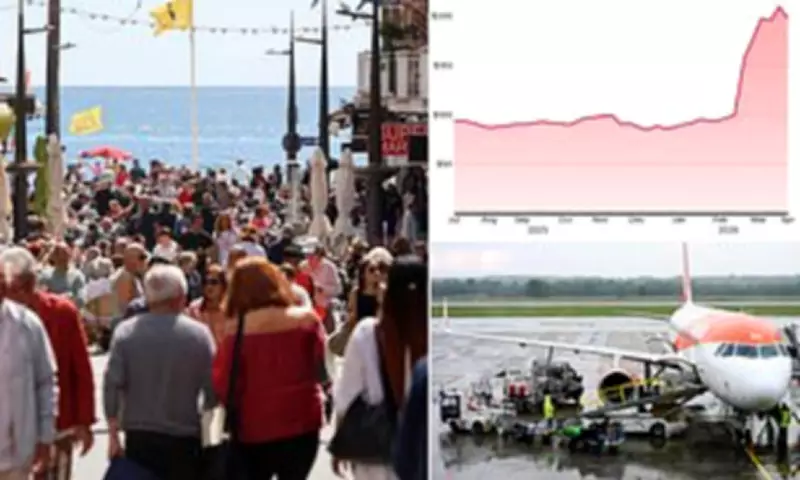
European officials are drafting emergency plans to tackle a looming jet fuel crisis after airlines warned of possible shortages within weeks due to the conflict in Iran. The Strait of Hormuz blockade has sent jet fuel prices soaring, with the latest average global cost reaching $198 per barrel last week, double the $99 in late February when the war began, according to the International Air Transport Association.

Flight prices have surged in recent weeks, raising fears over cancellations and grounded planes if the conflict continues. EasyJet has warned of a bigger first-half loss due to the jet fuel price surge, with summer flight interest down on last year. The war has upended the aviation industry, forcing airlines to curb growth plans and implement cost-saving measures.
Airline Responses to Fuel Price Surge
Airlines worldwide are responding to the surge in jet fuel prices with various strategies:
- EasyJet: CEO Kenton Jarvis warned that European consumers should expect higher ticket prices towards the end of summer.
- Delta Air Lines: Cutting capacity by around 3.5 percentage points and raising checked baggage fees.
- British Airways-owner IAG: Has hedged much of its fuel for the short- to medium-term, with no immediate ticket price increases planned.
- Virgin Atlantic: Adding fuel surcharges to fares, with economy tickets increasing by £50.
- Lufthansa: CEO Carsten Spohr warned of planes being grounded due to a lack of fuel, stating that kerosene will remain in short supply and more expensive for the rest of the year.
Tourism Industry Optimism
Despite the challenges, Spanish tourism industry group Exceltur has noted an uplift in bookings due to the conflict. Vice president Oscar Perelli stated, "Summer holidays are planned months in advance. As destinations that attract large numbers of tourists are affected by the conflict, a significant part of this safe-haven effect is already materialising in purchases and bookings to Spain." Exceltur forecasts that Spain's tourism activity will grow 2.5 per cent in real terms this year to €227 billion, with diverted tourists potentially generating an additional €4.2 billion.
Entry/Exit System (EES) Disruptions
Families with young children have been stranded abroad due to the new Entry/Exit System (EES), which requires travellers from third-party countries, including the UK, to have their fingerprints and photos taken upon entering the Schengen area. Further checks upon departure can take hours, leading to some travellers being stuck at passport control after their flights have left. Passengers across Europe faced delays and cancellations over the weekend, with long queues at destinations including Geneva, Lisbon, and Malta.
European Union Measures
The European Union is developing plans to tackle the jet fuel supply crunch and maximise refinery output ahead of the busy summer season. Europe is highly dependent on jet fuel imports, with about 75 per cent coming from the Middle East. The European Commission will introduce EU-wide mapping of refining capacity for oil products from next month, with full plans due to be published soon.

Potential Supply Shortages
The International Energy Agency (IEA) forecasts jet fuel shortages by June if the region can only replace half of the supplies it normally gets from the Middle East. Airports in Asia and Europe, particularly "leisure airports" in Spain, Greece, and Italy, are vulnerable due to thin fuel buffers. The airport industry association ACI Europe has warned they are about three weeks away from systemic jet fuel shortages if the Strait of Hormuz is not fully reopened.
Travel Advice
Experts advise travellers to shop around for deals, as prices are not rising uniformly on all routes. Laura Lindsay from Skyscanner recommended, "Travellers should check the latest travel advice, allow extra time, and monitor airport and airline communications closely." Paul Charles of The PC Agency suggested that travellers consider registering for the EES during quieter periods to avoid long queues during peak summer months.
While the tourism boom in Spain and Portugal offers a silver lining, the aviation industry faces significant headwinds from the jet fuel crisis and new border controls, potentially impacting summer travel plans for millions.





