A Spanish Village's Bold Bid to Reverse Rural Decline
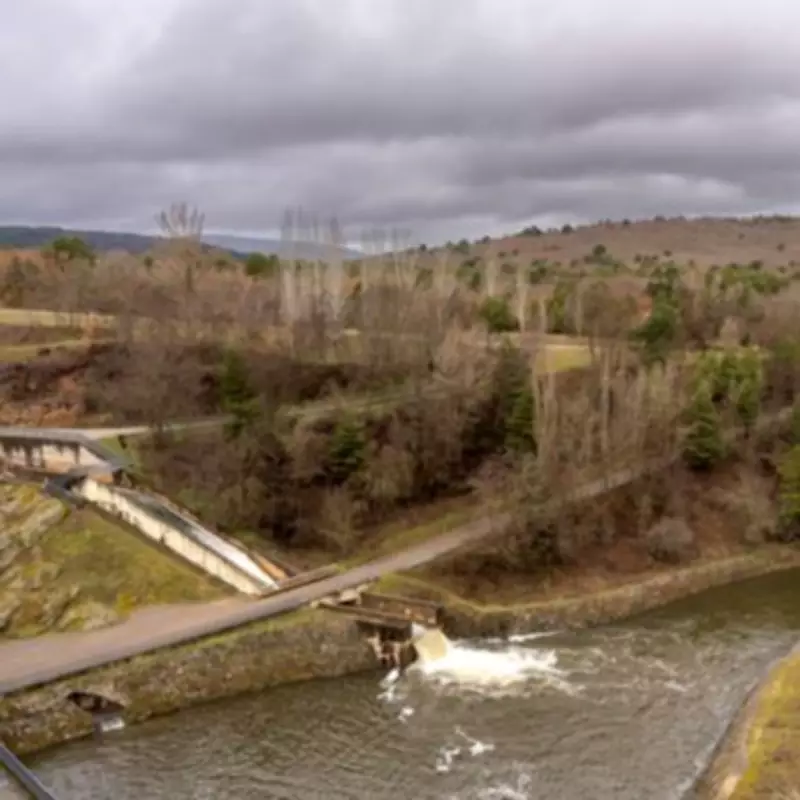
In a remarkable initiative to combat depopulation, the stunning Spanish village of Arenillas is actively paying people to move there. Nestled within the mountainous Soria province, this picturesque settlement boasts enviable April temperatures of 24°C and is now offering free housing alongside guaranteed work to families prepared to embrace rural life.
The 'Empty Spain' Initiative
Arenillas currently has a dwindling population of merely 40 permanent residents, placing it firmly within the region known as "España Vaciada" or "Empty Spain." This term describes vast rural areas where successive generations have abandoned their ancestral homes in pursuit of urban employment opportunities. To counter this trend, the local council has unveiled an ambitious repopulation scheme.
The cornerstone of the offer is a fully renovated property provided rent-free to a selected family. In return, one adult must work as a local bricklayer, contributing to the village's ongoing renovation projects—a role the parish council describes as a "long-term need." The other six recently refurbished properties are available for a nominal monthly rent of just €100 (approximately £87).

Strict Criteria and Overwhelming Interest
Prospective residents face specific requirements. Applicants must have school-age children and be willing to take over the management of the village's sole bar, which serves as the community's social hub. The family must also commit to making Arenillas their permanent home.
Despite these conditions, the initiative has sparked significant interest. When launched earlier this year, it attracted nearly 100 applications within the first week alone, totaling 116 hopefuls. The council and the local cultural association are now meticulously evaluating candidates based on their expertise in construction or bar management, as well as their adaptability to the region's harsh winter conditions.
Daily Realities and Community Spirit
Life in Arenillas comes with distinct challenges. Children face a 20km journey each way to the nearest school, though authorities provide free daily transport. Public transport in the vicinity is sparse, and while the village has a basic medical consultation room, most healthcare needs are met in larger neighbouring towns.
Rodrigo Gismera, a member of the Asociación Sociocultural de Arenillas who now lives in Madrid, remains deeply connected to his home village. He explained the genesis of the project: "As fewer people were living in the village, the town hall, the locals and the association realised there was a shortage of housing and began renovating existing buildings. In an area where housing was virtually non-existent, Arenillas became like a lake in the desert."
Regarding the bar, Gismera noted that while it is the social heart of the community, it may not generate substantial income. The free accommodation is intended to offset these limited takings. The village hosts two annual festivals—the San Isidro Labrador on May 15 and the San Cipriano in late summer—which see the population swell to around 300, offering a glimpse of vibrant community life.
A Wider European Trend
Arenillas is not alone in using financial incentives to attract new residents. In Italy, the Tuscan town of Radicondoli, nestled about 60km from Florence, set aside €300,000 (roughly £261,000) to combat vacancy. The town offered to cover half the rent for newcomers during their first two years, provided they stayed for an additional two. Those pledging a decade-long commitment were eligible for further grants.
Mayor Francesco Guarguaglini reported that 60 individuals had accepted the offer, helping to address the issue of approximately 100 vacant properties out of 450. He distinguished the scheme from symbolic one-euro house sales, stating: "We distinguish ourselves from the sale of houses at one euro. Here, our homes have a value. Sociality, hospitality and numerous cultural initiatives are the added value alongside the strategic location of the village."
Both initiatives highlight a growing European movement to revitalise depopulated rural areas by offering tangible incentives, blending housing security with employment guarantees to create sustainable communities for the future.