Tourists Flock to Highland Cows Despite Official Warnings After Social Media Surge
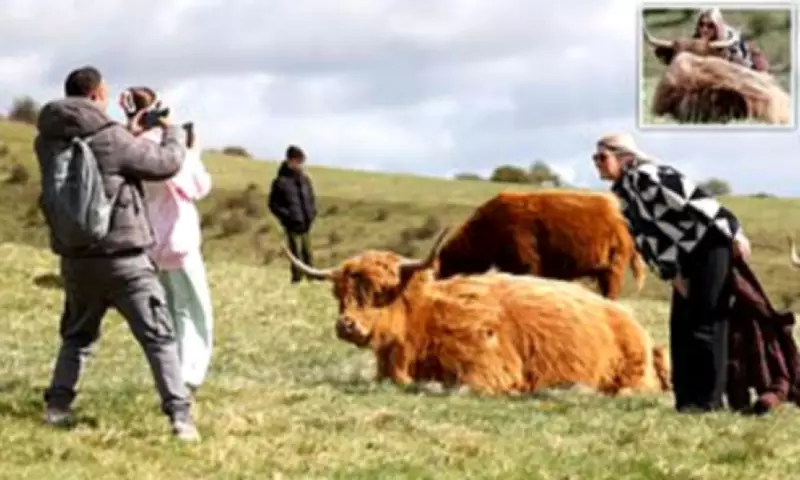
Selfie-loving tourists have been captured defying official warnings to stay away from Highland cows, as the animals gain viral fame on social media platforms. Over the Easter Bank Holiday weekend, droves of visitors descended upon Butser Hill in Hampshire after online interest in the rustic cattle "exploded." This trend has sparked concerns from park authorities and wildlife experts about both human safety and animal welfare.
Social Media Drives Unprecedented Visitor Numbers
Several TikTok videos featuring Highland cows have gone viral in recent months, accumulating more than 300,000 video hashtags, with some posts boasting over 50,000 likes. Influencers have encouraged followers to visit, with one walker posting, "This is your sign to visit the Highland cows in Hampshire," and another promoting "a wholesome hike you must do before winter is over." This online buzz has led to a significant surge in tourists at beauty spots near Petersfield, where some have been spotted taking selfies mere feet from the animals.
Queen Elizabeth Country Park, which manages the nature reserve, has urgently advised visitors to "not touch or approach" the Highland cows. Earlier this year, Hampshire Fire and Rescue were called to rescue three visitors who became disoriented and stuck on challenging terrain while searching for the cows. Station manager Steve Jenkins noted that social media posts often showcase the cows and panoramic views but "rarely reflect the physical effort or preparation required to reach them."

Safety Risks and Animal Distress Escalate
Jenkins highlighted the dangers of the terrain, especially during winter with poor weather, limited daylight, thick gorse, and slippery ground. He warned of risks like slips, falls, and hypothermia, advising visitors to check weather conditions, plan routes, and wear appropriate clothing. Meanwhile, in Ashford, Kent, park rangers were forced to hide their Highland cows after the animals became "distressed" by people ignoring warnings and "actively approaching" them.
Tourists also flocked to Hothfield Heathlands Nature Reserve to see the cows "free grazing" after their social media fame. However, the newfound attention proved largely negative for the animals, who became unsettled and unable to eat or sleep without interruption. Despite stark warnings from Kent Wildlife Trust that the cows are "not pets," several TikTok clips showed visitors walking up to them, leaving paths to stand nearby, and even attempting to pet them.
Nature Resorts to Drastic Measures
Kent Wildlife Trust pointed out that videos often show cows displaying clear signs of distress, such as shaking their horns as influencers approach. Due to repeated ignored warnings, the reserve was compelled to move its Highland cows due to welfare concerns. In a social media post, they expressed sadness over the decision, stating, "We love that people love our animals, but unfortunately lots of people have been ignoring our 10-metre rule and the pressure on the lovely Highlands has become too much."
Ian Rickards, Kent Wildlife Trust area manager, explained, "The constant pressure will be affecting the animals' ability to behave naturally. Also, the effect of hundreds of people walking off paths across sensitive habitat will be damaging the wildlife the site is designated for." This incident underscores the broader impact of social media-driven tourism on both animal welfare and environmental conservation.