

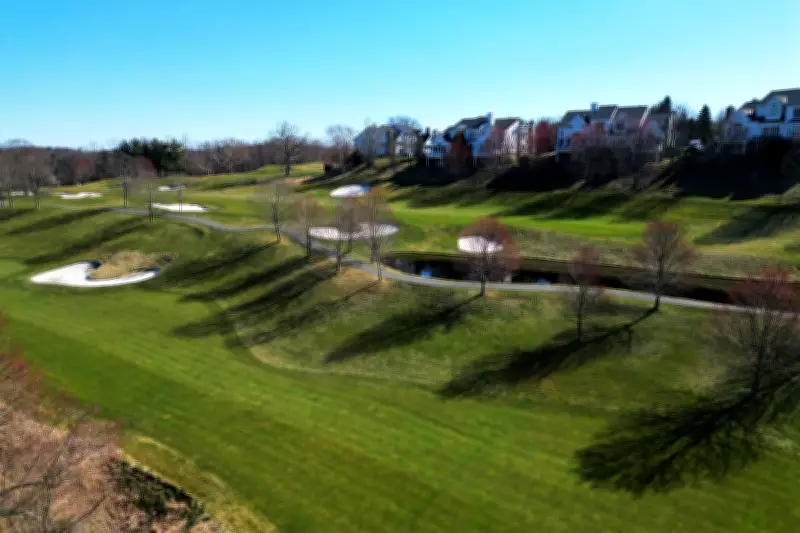
Trump's Luxury New York Golf Club Receives Five Health Code Violations
County health inspectors in New York have reportedly identified a series of concerning issues at President Donald Trump's Westchester golf club, including the presence of "insects and rodents" alongside multiple maintenance and food safety problems. According to records analyzed by NOTUS.org, the Westchester County Department of Health documented these findings during inspections, highlighting a range of deficiencies that raise questions about the club's operational standards.
Detailed Inspection Findings Reveal Multiple Concerns
The inspection report from November 20, 2025, describes "dirty surfaces" and "poorly constructed" rooms that are in a state of "disrepair." Additionally, inspectors noted "inadequate" lighting and ventilation systems, which could compromise the overall environment of the facility. These issues were reportedly present during a previous inspection just a month earlier, suggesting ongoing problems that may not have been adequately addressed.
Food safety violations were a significant part of the report, with inspectors finding:

- Food that was "uncovered, mislabeled, and stored on the floor"
- Missing or inadequate sneeze guards
- "Double stacked" food containers, a practice discouraged in the industry as it can lead to contamination or spoilage
It is important to note that none of these violations were classified as "critical" by the inspectors, but they collectively point to lapses in basic health and safety protocols. The Independent has reached out to the Trump Organization, which owns and operates the club, for comment on these findings.
High Costs and Exclusive Access at the Club
Despite these health code issues, the Trump National Golf Club in Briarcliff Manor, New York, remains an exclusive destination with steep membership fees. According to TrumpGolfTracker, a blog that monitors Trump's golf properties, initiation fees can range between $50,000 and $100,000, with an annual fee of approximately $15,000. These figures are based on media reports and public information, as the club does not publicly disclose its fees, so actual costs may vary.
The club's luxury pricing contrasts sharply with the inspection results, which include pests and facility disrepair. This discrepancy has drawn attention to the standards upheld at high-end establishments associated with prominent figures.
Broader Pattern of Issues at Trump Golf Properties
This is not an isolated incident for Trump's golf clubs. A Somerset County Department of Health report from May 6, 2025, found 18 instances of non-compliance at Trump's Bedminster golf course in New Jersey. Issues there included:
- Failure to separate raw meat and eggs from ready-to-eat meals
- Inadequate protection of food from contamination
- Improper cleaning of food-contact surfaces
- Problems with food storage and general property maintenance
David Schutzenhofer, the general manager of Trump National Bedminster, responded to the inspection by claiming the "B" grade received was "clearly nothing more than a politically motivated attack." He told NJBIZ that "never before have we witnessed such visceral hostility from the health department," suggesting a contentious relationship between the club and regulatory authorities.
Trump's Frequent Golf Outings Amidst Club Controversies
Despite the apparent issues at his clubs, President Trump has continued to frequent them. During the first year of his second term, he visited his golf clubs 88 times, meaning approximately one in four of his days as president was spent golfing. This high level of visitation underscores the personal and political significance of these properties, even as they face scrutiny over health and safety standards.

The situation raises broader questions about the maintenance and oversight of luxury facilities, particularly those linked to high-profile individuals. As inspections continue and potential follow-ups occur, it remains unclear whether the club has addressed the violations noted in the November report. The lack of clarity on corrective actions leaves open concerns about ongoing compliance and the prioritization of member safety at exclusive venues.





