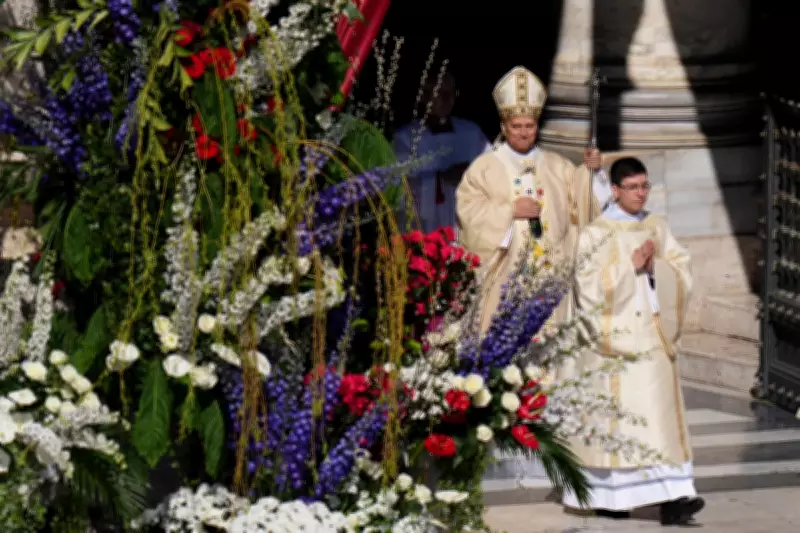
Vatican City, the world's smallest independent state and spiritual heart of the Catholic Church, has announced a significant overhaul of its entry protocols for tourists and pilgrims. The new measures, which take effect immediately, aim to address overcrowding concerns and bolster security within its historic walls.
Key Changes to Visitor Access
The revised regulations mandate that all visitors, regardless of nationality or purpose of visit, must pre-book their entry online through an official portal. This system replaces the previous walk-in access, which often led to long queues and congestion, particularly during peak seasons and major religious events.
Enhanced Security Screening
In addition to pre-booking, tourists and pilgrims will now undergo more rigorous security checks upon arrival. These include bag inspections and metal detector scans, similar to procedures at major international airports. Authorities cite global security trends and the need to protect cultural heritage sites as primary reasons for these enhancements.

Impact on Tourism and Pilgrimage
Vatican City attracts millions of visitors annually, drawn to landmarks such as St. Peter's Basilica and the Sistine Chapel. While the new rules may streamline entry and improve safety, some critics worry they could deter spontaneous visits or burden less tech-savvy travellers. However, officials emphasize that exemptions will be made for religious ceremonies and official delegations, with dedicated lanes for pre-screened groups.
Long-Term Management Strategy
The implementation is part of a broader strategy to manage sustainable tourism in the 44-hectare enclave. By controlling visitor flow, the Vatican hopes to preserve its artistic treasures and maintain a reverent atmosphere. Data from the pre-booking system will also help authorities analyse traffic patterns and adjust resources accordingly.
These changes reflect a growing trend among popular destinations to balance accessibility with preservation and security. Visitors are advised to check the official Vatican website for detailed guidelines and booking procedures to avoid disruptions to their plans.