Vigo Introduces Controversial Daily Tourist Tax
British holidaymakers planning a trip to the picturesque Spanish city of Vigo are set to encounter a new financial hurdle. Local authorities are finalising plans for a daily tourist tax, following the lead of other Galician cities like Santiago and La Coruña. This levy is designed to redistribute tourism industry profits and mitigate the environmental strain caused by mass visitors to this popular destination.
The Destination: Christmas Lights and World-Class Beaches
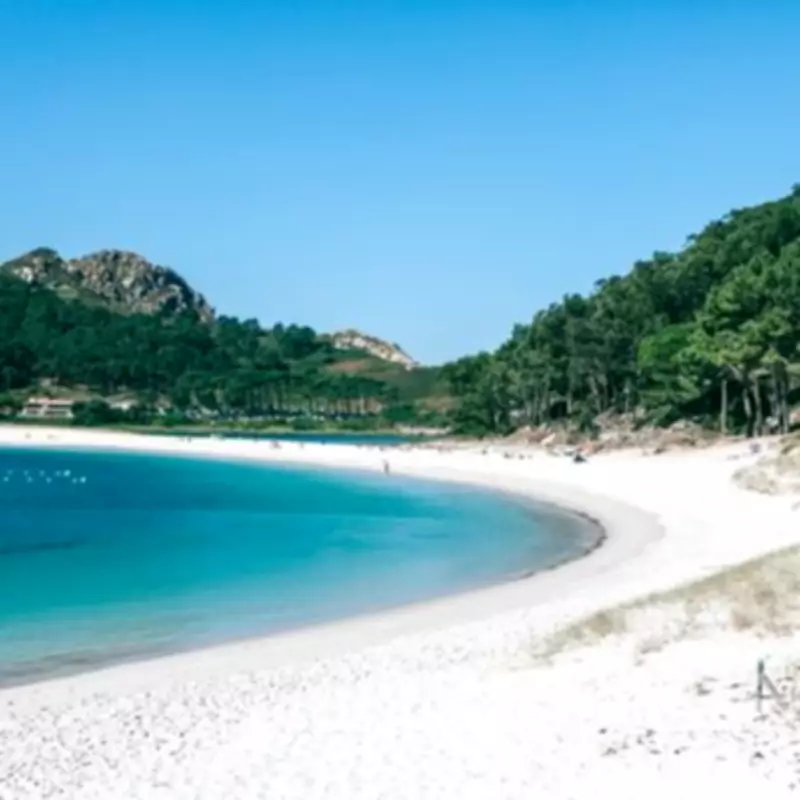
Vigo, home to approximately 295,000 residents in north-west Spain, boasts multiple attractions that draw international visitors. The city is globally renowned for its spectacular Christmas light displays, featuring over 11 million LED lights annually. Equally compelling is its proximity to what The Guardian once hailed as "the best beach in the world" – Rodas Beach on the Cíes Islands.
This bustling port city serves as a major cruise ship destination, with this week alone welcoming three large vessels – the Britannia, Ventura, and Le Bellot – bringing over 7,500 visitors within hours. Travel expert Simon Calder has praised Vigo as both "cultured" and "highly affordable," while the Aviothic website describes it as "Spain's best kept secret."

Tax Structure and Implementation Details
According to reports from Spanish media outlet El Debate, no form of accommodation will be exempt from the new charge. The daily rates will vary significantly based on establishment type:
- €2 per person for 4-star superior and 5-star hotels
- €1.60 per person for tourist accommodation and 2-star superior, 3-star, and 4-star hotels
- €1.20 per person for guesthouses and 1- and 2-star hotels
- €0.80 per person for holiday apartments, rural tourism properties, hostels, and campsites
Even cruise passengers won't escape the levy, with Vigo Mayor Abel Caballero confirming a €1.20 charge for those disembarking at the city's docks.
Phased Rollout and Exemption Policies
The tourist tax is scheduled for gradual implementation starting in October, coinciding with the illumination of Vigo's famous Christmas lights. Initially, from its introduction until July 1, 2027, the tax will apply only to the first two nights of any stay. Thereafter, it will extend to a maximum of five nights per visit.
Certain exemptions are under consideration, including provisions for children, individuals with specific disabilities, and those with health-related reasons for travel. However, the tax must still secure final approval from the Governing Board before becoming official policy.
Broader Context and Travel Alternatives
This move places Vigo alongside other Spanish destinations implementing similar measures. Barcelona currently combines regional and municipal charges reaching 5-12 euros nightly, while La Coruña faces legal challenges from hotel associations opposing their levy.
For UK travellers, Vigo remains accessible via Ryanair's direct service from London Stansted to Vigo–Peinador airport (approximately 2 hours 10 minutes). Many visitors alternatively fly into nearby Santiago de Compostela, served by both Ryanair and Vueling from multiple London airports, though travellers should note Santiago airport will be closed from April 23 to May 27, 2026 for runway works.
Beyond the tax implications, Vigo offers rich cultural experiences including the beautifully restored Casco Vello (Old Town), the archaeological site Castro de Vigo revealing 2,000-year-old history, and easy access to the Caribbean-like beaches of the Cíes islands – making it a compelling, if now slightly more expensive, destination for British holidaymakers.